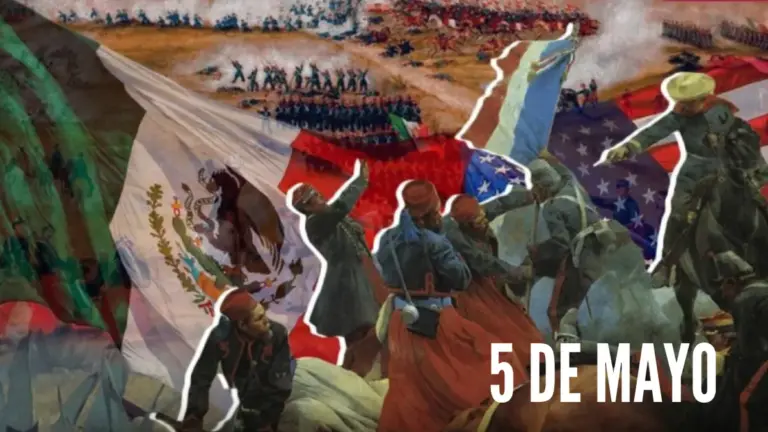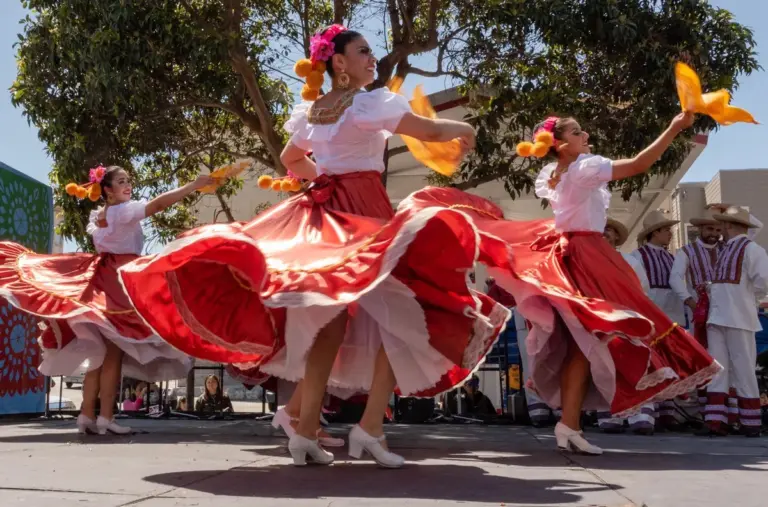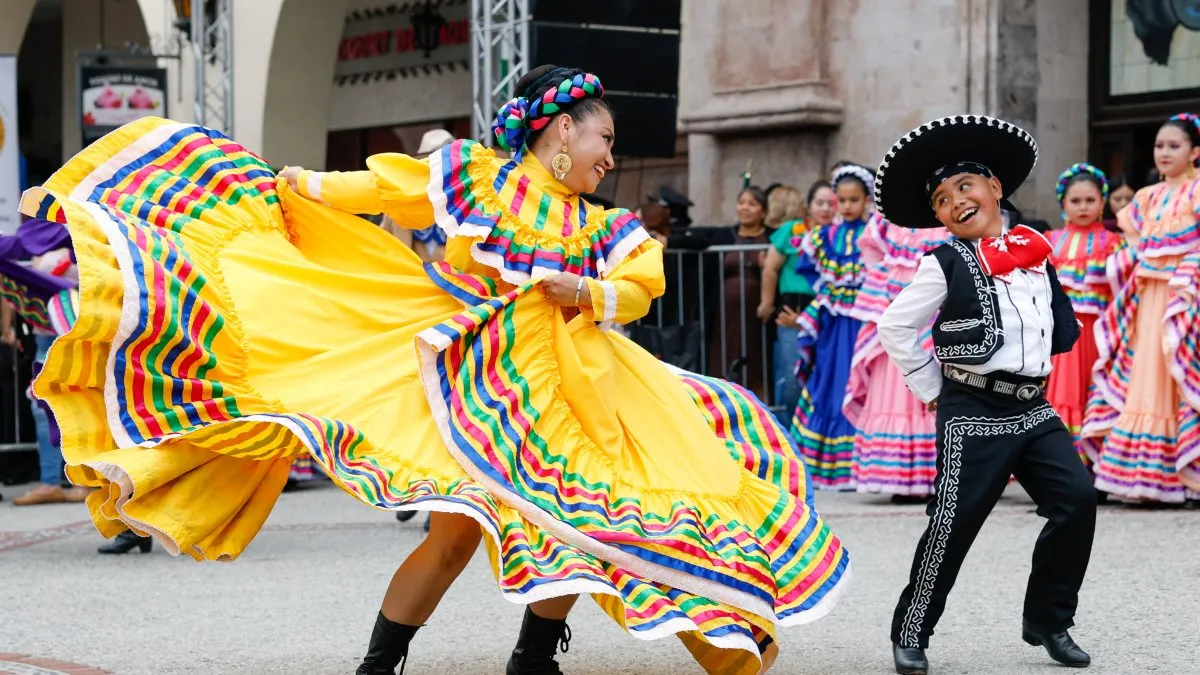
Cinco de Mayo, celebrated on May 5, honors Mexico’s victory over French forces at the Battle of Puebla in 1862. While it has become a vibrant symbol of Mexican-American culture in the United States, the holiday holds relatively little significance in Mexico itself.
The first recorded American celebration took place in California in 1862, coinciding with the battle’s occurrence. However, it wasn’t until the 1970s and 1980s that Cinco de Mayo gained widespread popularity in the U.S.—largely fueled by marketing efforts from beer companies. Today, festivities include food, drinks, and cultural gatherings.
Key facts about Cinco de Mayo:
- Cinco de Mayo commemorates Mexico’s victory over French forces at the Battle of Puebla.
- This holiday is not to be confused with Mexico’s Independence Day, which is celebrated on September 16.
- Mole poblano is a traditional dish served during Cinco de Mayo celebrations in Puebla.
Fernando Paloma, who spent 29 years living in Mexico before celebrating Cinco de Mayo in the U.S., remarked, “In Mexico, it is the contrary; Mexico celebrates more the 15th and 16th of September, which was ‘El Grito’ of the Independence of Mexico.” This highlights how perceptions diverge between cultures.
Cinco de Mayo’s significance in American culture ties closely to the Chicano movement—a socio-political movement that emerged to address issues affecting Mexican Americans. As Rick Stepp noted, “Cinco de Mayo is probably the most misunderstood holiday in North America.” The holiday serves as a reminder of resilience and identity for many.
The Battle of Puebla symbolized not just a military victory but also Mexico’s ability to defend its sovereignty against foreign invasion. This historical context enriches the celebration—though many Americans may focus more on festivities than on its deeper meanings.
As Cinco de Mayo approaches each year, observers wonder how cultural appreciation will evolve. Will it deepen understanding or remain a surface-level celebration? Regardless, it stands as a testament to Mexican-American culture—a vibrant tapestry woven through history and modern life.