Introduction
The film adaptations of Emily Br ontë’s classic novel, Wuthering Heights, have captivated audiences for decades. This gothic tale of love and revenge set in the Yorkshire moors remains one of the most adapted works in literature. Understanding these film adaptations is essential not only for literature enthusiasts but also for cinema lovers, as they offer insights into the ever-evolving interpretation of Brontë’s themes.
Notable Film Adaptations
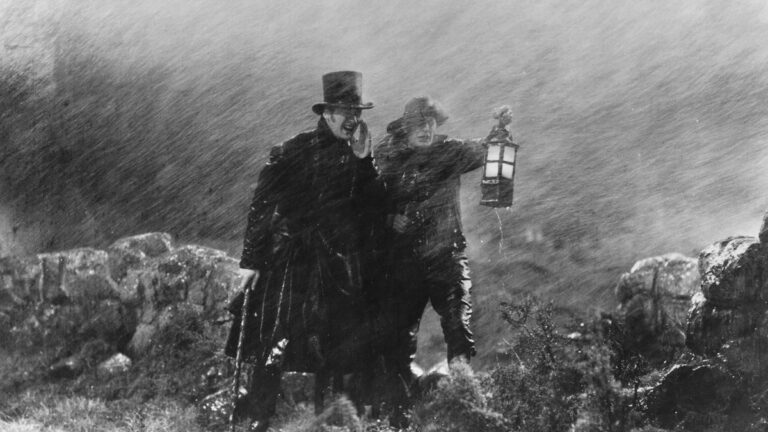
The first adaptation of Wuthering Heights debuted in 1939, directed by William Wyler. This version, starring Laurence Olivier as Heathcliff and Merle Oberon as Catherine Earnshaw, is often hailed as a classic. Its high production values and memorable score introduced the story to a broader audience, reinforcing the tragic romance between the two protagonists. The film received multiple Academy Award nominations, showcasing its impact on the film industry.
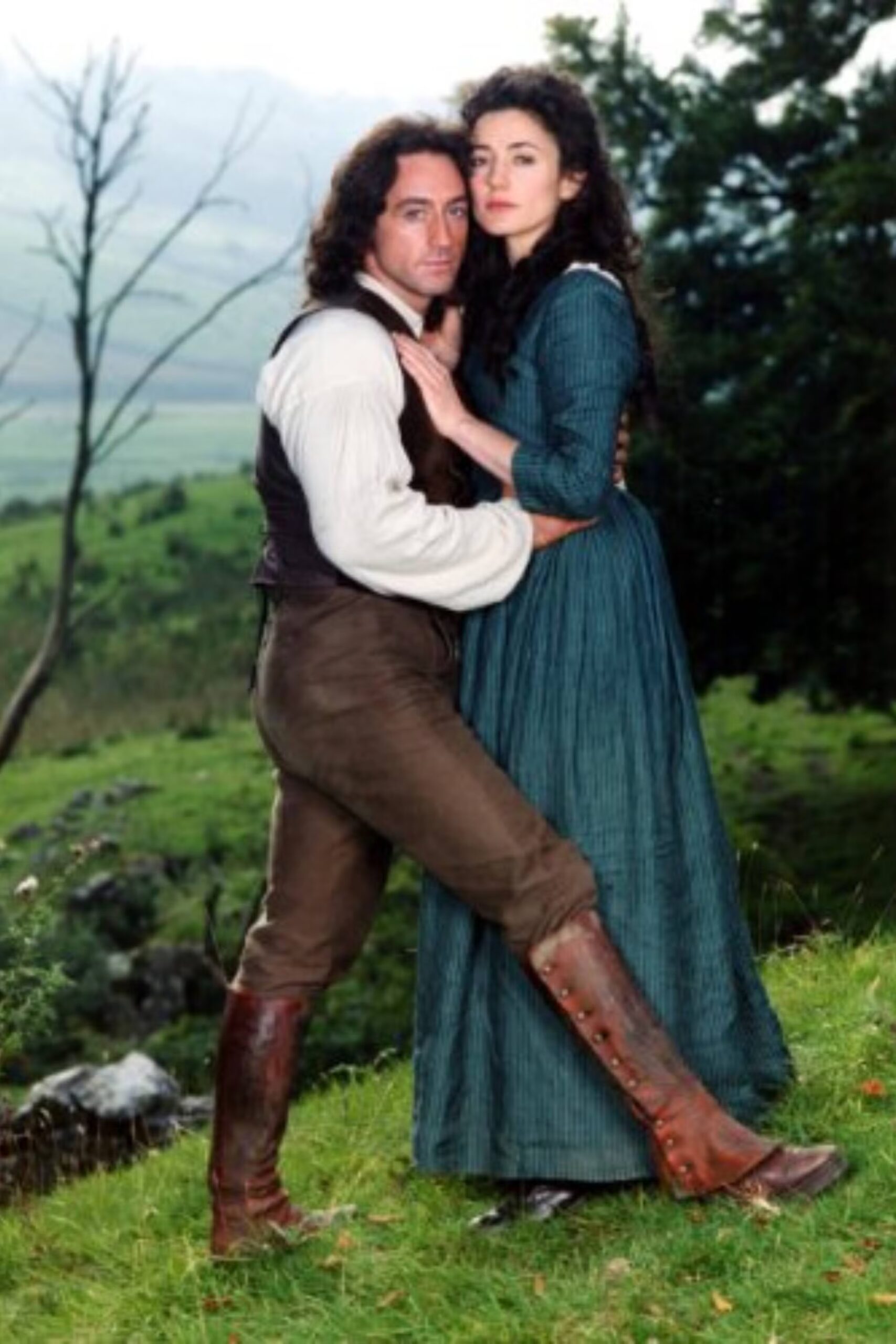
More recent adaptations, such as the 1992 version directed by Peter Kosminsky, take a fresh approach to the material. This rendition stars Ralph Fiennes and Juliette Binoche, presenting a more intense and darker interpretation of the characters’ emotions and motivations. Perhaps most notable is 2011’s Wuthering Heights directed by Andrea Arnold. This adaptation provides an even grittier and realist portrayal of the novel, focusing on the raw, untamed nature of the moors and how it reflects the characters’ turbulent lives. Unlike its predecessors, Arnold’s version has drawn a mixed response, with some praising its artistry and others critiquing its pacing.
Current Reception and Cultural Impact
As of 2023, Wuthering Heights continues to inspire filmmakers, with new adaptations and reinterpretations emerging regularly. Discussions surrounding these films often highlight how each version captures the essence of Brontë’s work – its deep emotional resonance and critique of class and gender norms in 19th century England. The ongoing popularity of Wuthering Heights in film reflects not only the power of the source material but also the timeless themes that resonate with contemporary audiences.
Conclusion
In conclusion, the various adaptations of Wuthering Heights demonstrate how cinematic interpretations can evolve while maintaining the core of Brontë’s narrative. Each film offers a unique lens through which audiences can explore the complex relationships embedded in the story. As filmmakers continue to draw inspiration from this classic, it is likely that Wuthering Heights will remain a significant cultural touchstone, reminding us of the depths of love, loss, and human emotion.