Introduction to Wuthering Heights
Wuthering Heights, the classic novel by Emily Brontë, has captivated audiences since its publication in 1847. Its complex themes of love, revenge, and the supernatural have led to numerous film adaptations over the years, each bringing a unique interpretation to Brontë’s masterpiece. The significance of understanding these adaptations not only lies in their artistic representations but also in how they reflect changing societal values and cinematic techniques.
Major Film Adaptations
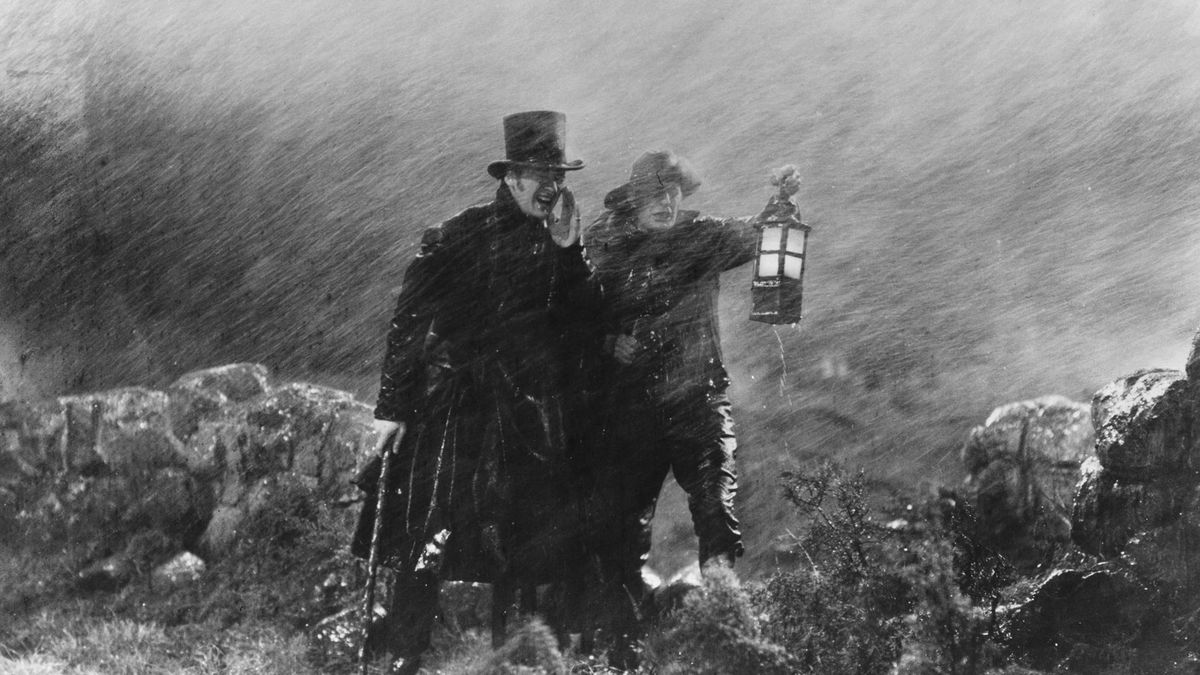
One of the earliest adaptations of Wuthering Heights came in 1939, directed by William Wyler and starring Merle Oberon and Laurence Olivier. This version is notable for its dramatic performances and has since become a classic in its own right. Its visual style and the emotional intensity embodied by its lead actors cemented its place in film history.
In 1970, a radical adaptation directed by Robert Fuest showcased a more gothic interpretation, pairing the haunting narrative with a vivid colour palette and a rock soundtrack. This version diverged significantly from the source material, leading to mixed reviews but also a dedicated following.
More contemporary adaptations include the 1992 rendition directed by Peter Kosminsky, which features Ralph Fiennes andJuliet Binoche. This version is often praised for its loyalty to the original text and its atmospheric cinematography, capturing the wildness of the Yorkshire moors.
Recent Trends and Discussions
The most recent adaptation was released in 2011 and directed by Andrea Arnold. This version received attention for its raw portrayal of the characters and unique visual perspective, treating the story as a tragic romance rather than merely a tale of doom and gloom. Arnold’s adaptation sparked discussions about gender representations and class struggles within the context of Brontë’s narrative.
Conclusion
The enduring legacy of Wuthering Heights in film showcases not only the malleability of Brontë’s story but also the evolving nature of cinematic storytelling. Each adaptation, whether celebrated or critiqued, brings forth new interpretations, making the tale resonate for new generations. As filmmakers continue to revisit this literary classic, audiences can anticipate fresh perspectives that highlight the timelessness of love, obsession, and revenge that lie at the heart of the novel. The conversations surrounding these adaptations will likely continue to thrive, reflecting the relevance of Brontë’s work in today’s society.