Introduction
NASA, the National Aeronautics and Space Administration, remains at the forefront of space exploration and scientific discovery. Its recent missions have not only expanded our understanding of the universe but have also inspired generations to pursue careers in science and technology. With the advent of new technology and international collaboration, NASA is poised to achieve groundbreaking advancements in upcoming missions. This article delves into some of the latest developments in NASA’s endeavours, underscoring their importance in contemporary science.
Recent Missions
In 2023, NASA launched the Artemis I mission, a pivotal step towards returning humans to the Moon by 2025. This uncrewed test flight of the Space Launch System (SLS) and Orion spacecraft successfully completed its orbit around the Moon, paving the way for future lunar exploration. NASA Administrator Bill Nelson stated, “Artemis I is a major milestone in our next great era of exploration, all aimed at sending humans to Mars.”
Additionally, the James Webb Space Telescope (JWST), launched in December 2021, has been providing unprecedented insights into the universe. Recent images released in 2023 have unveiled complex structures of distant galaxies, offering new perspectives on star formation and the early universe. Scientists are optimistic that this data will answer fundamental questions about the cosmos.
Significant Discoveries
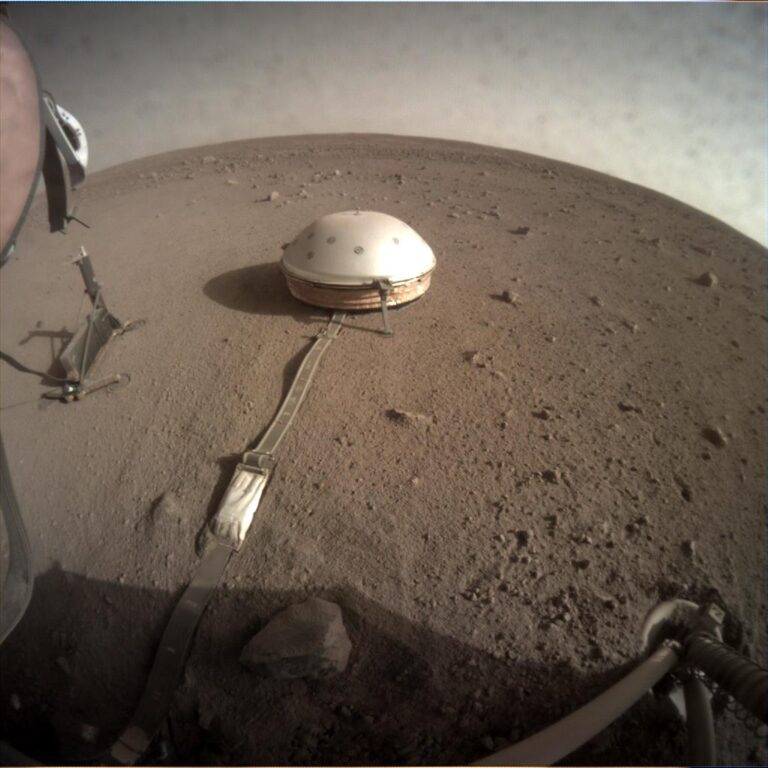
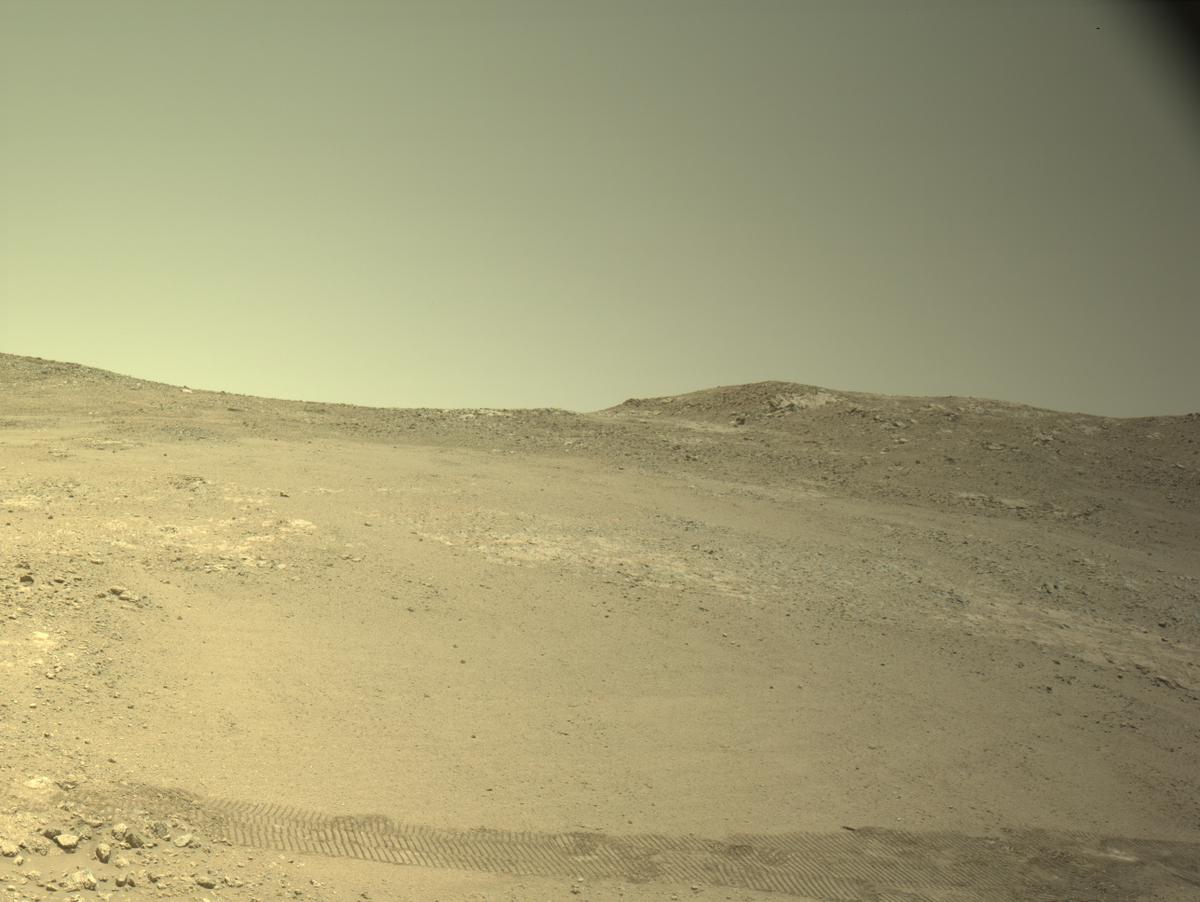
NASA’s discoveries extend beyond simply viewing the universe. The agency recently published findings from the Mars Perseverance Rover, detailing the first-ever production of oxygen from Martian regolith. This breakthrough, achieved through the MOXIE experiment, could have significant implications for future manned missions to Mars, where oxygen is essential for both breathing and fuel.
Furthermore, NASA’s ongoing collaboration with various international space agencies has bolstered efforts in understanding climate change. The Earth Observing System (EOS) continues to collect critical data on atmospheric changes, providing essential insights for policy-makers and scientists working to mitigate the effects of global warming.
Conclusion
The activities and discoveries of NASA highlight its critical role in space exploration and Earth sciences. As the agency gears up for future missions, such as the planned Artemis program and ongoing Mars explorations, the implications of its research are bound to resonate far beyond the scientific community. For the public, the significance of NASA’s work lies not only in expanding our understanding of the universe but also in addressing pressing challenges here on Earth. As we look to the stars, NASA continues to remind us of our responsibility to safeguard our planet, making advancements that benefit humanity as a whole.