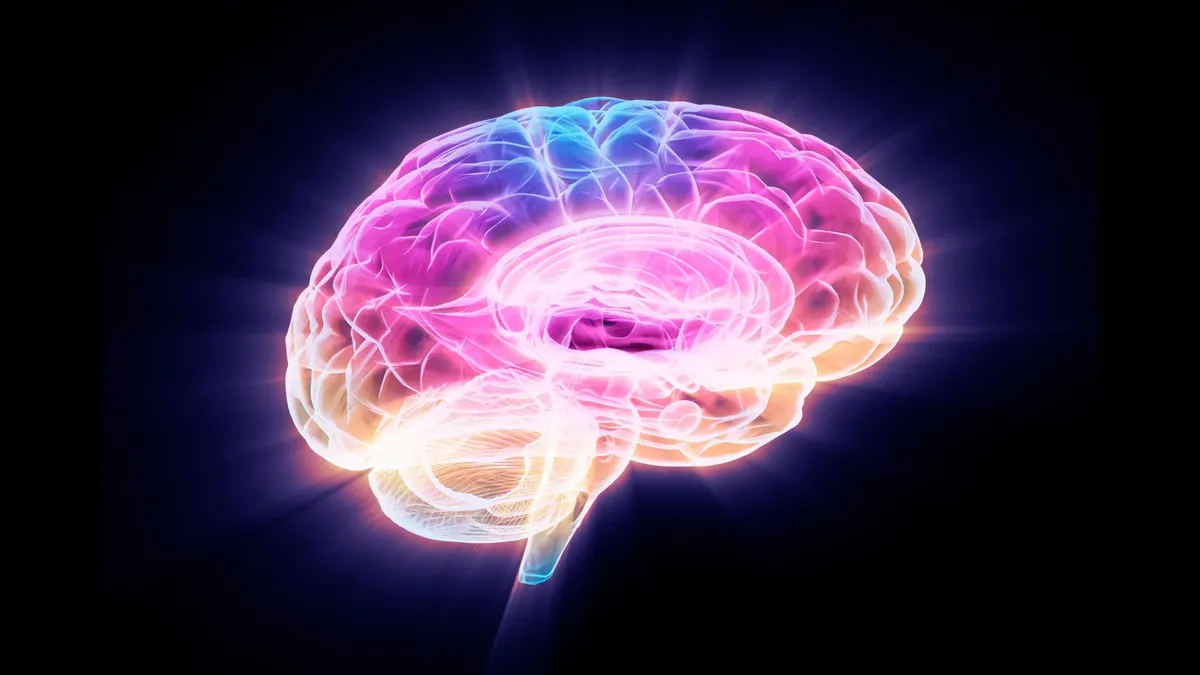
The aging brain has long been a subject of concern, particularly regarding its impact on memory and learning. Traditionally, the decline in cognitive functions was viewed as an inevitable part of aging, with little hope for reversal. The hippocampus, crucial for these functions, suffers significantly as we age, leading to increased risks of mild cognitive impairment (MCI) and dementia.
However, a pivotal development has emerged from researchers at UC San Francisco. They have identified a protein known as FTL1 that plays a significant role in driving brain aging. Older mice in their studies exhibited elevated levels of FTL1, which correlated with reduced neuronal connections in the hippocampus.
This discovery marks a decisive moment in understanding brain aging. By reducing FTL1 levels in older mice, researchers observed a remarkable recovery: enhanced connections between brain cells and improved performance in memory tests. As Saul Villeda, a lead researcher, stated, “It is truly a reversal of impairments.” This finding suggests that interventions targeting FTL1 could potentially mitigate cognitive decline.
The implications extend beyond laboratory mice. The National Institutes of Health (NIH) has awarded UC Davis Health a substantial grant of $15.85 million to study brain aging specifically within Hispanic-Latino communities. This demographic is at a heightened risk for developing MCI or dementia, yet remains underrepresented in aging research.
The UC Davis study aims to identify critical factors for healthy cognitive aging, with the ultimate goal of reducing the burden of dementia on families. As the researchers emphasize, understanding these factors is essential for developing effective interventions.
While the findings are promising, uncertainties remain. Details about the broader applicability of these results to human populations are still unconfirmed. Nevertheless, the shift in perspective regarding the aging brain is significant, suggesting that cognitive decline may not be as irreversible as once thought.
As research continues to evolve, it is clear that the aging brain is not merely a subject of decline but a field ripe with potential for recovery and improvement. The focus on specific proteins like FTL1 could pave the way for innovative treatments that enhance cognitive health in aging populations.