Introduction
The phenomenon of the ‘Crimson Moon,’ also known as a ‘Blood Moon,’ occurs during a lunar eclipse when the Earth’s shadow obscures the moon, casting it into hues of deep reds and oranges. This captivating natural event has intrigued astronomers and the general public alike for centuries, often being surrounded by rich cultural narratives and scientific observations.
The Science Behind the Crimson Moon
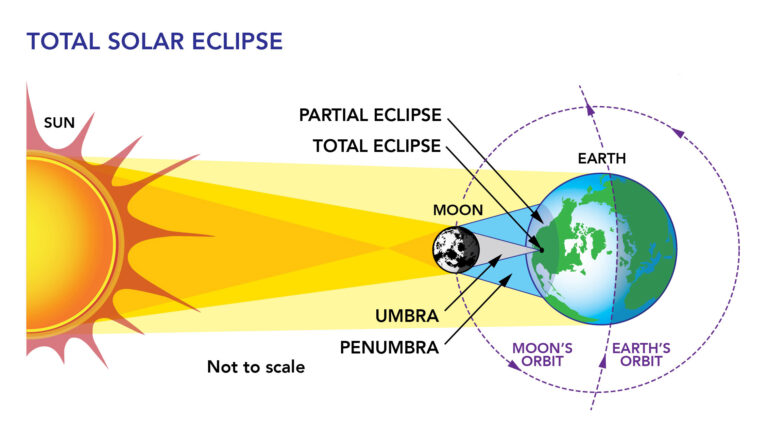
During a total lunar eclipse, the Earth comes directly between the sun and the moon, resulting in the only light that reaches the moon’s surface being refracted through the Earth’s atmosphere. This scattering effect, similar to a sunset, allows longer wavelengths of light (reds and oranges) to illuminate the moon, giving it its characteristic crimson appearance. On October 28, 2023, skywatchers across the globe experienced a total lunar eclipse, offering a spectacular display of the crimson moon.
Significance and Cultural Impact
The crimson moon has often found its way into various cultural traditions and beliefs. In many indigenous communities, it is seen as a significant spiritual event. For instance, some Native American tribes refer to it as the ‘Blood Moon,’ linking it to agricultural practices and seasonal changes. The collective excitement surrounding crimson moons has made them popular topics for writers, artists, and enthusiasts, celebrating their beauty and mystery.
Recent Events and Skywatching Opportunities
The recent total lunar eclipse on October 28th not only allowed astronomers to closely study the astronomical dynamics involved but also provided an opportunity for thousands of skywatchers to experience the beauty of the crimson moon. Observatories and science centres worldwide hosted viewing events, allowing the public to witness this natural marvel through telescopes and live streams. According to the Royal Astronomical Society, lunar eclipses are expected to occur at least twice a year, so enthusiasts can look forward to more occasions to observe this stunning event in the near future.
Conclusion
The crimson moon represents a fascinating interplay of science, culture, and human curiosity. Its dramatic and aesthetically pleasing appearance continues to capture the imagination of people around the world. As we look ahead, more opportunities to witness this phenomenon will undoubtedly inspire future generations of astronomers and skywatchers alike. The next total lunar eclipse is predicted to occur in March 2025, promising another chance to experience the beauty and wonder of the crimson moon.