Introduction
The film ‘Emily,’ directed by Frances O’Connor, has garnered significant attention since its release, exploring the life and imagination of famed author Emily Brontë. The movie delves into the complexities of Brontë’s character, capturing the essence of her creativity, struggles, and relationships as she navigates a male-dominated society in the early 19th century. With its compelling narrative and rich visual storytelling, ‘Emily’ invites viewers into the world of one of literature’s most beloved figures, making it a significant cultural work in the context of women’s history and literary studies.
Plot Overview
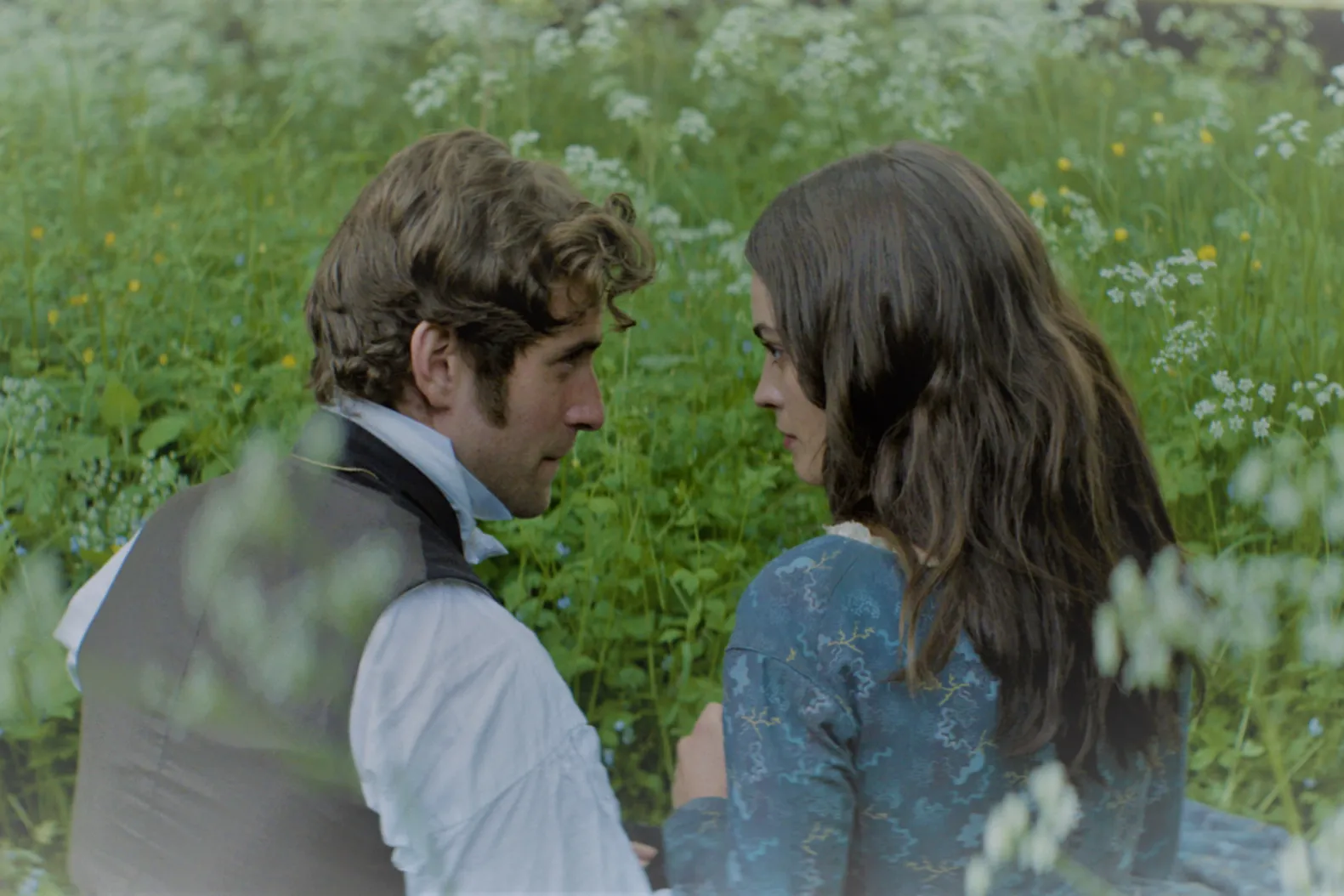
‘Emily’ presents a fictionalised account of Emily Brontë’s formative years. The film begins in the Yorkshire moors where young Emily, played by Emma Mackey, finds solace and inspiration amidst nature. The narrative unfolds her complex familial relationships, particularly with her sisters Charlotte and Anne and her tyrannical father. The film crafts a narrative that intertwines Emily’s passion for writing with her tumultuous emotional world, portraying her early influences that shaped the creation of her literary masterpiece, ‘Wuthering Heights.’
Critical Reception
Critics have praised the film for its visually stunning cinematography and powerful performances. Emma Mackey’s portrayal of the enigmatic Emily Brontë has been lauded as one of her most impactful roles. The film has sparked discussions about the feminist lens through which it presents Emily’s struggles as a creative woman in a restrictive society. As of October 2023, ‘Emily’ has received several nominations at various film festivals, indicating its resonance with audiences and critics alike.
Impact and Significance
The ‘Emily’ movie is more than just a biopic; it serves as a reminder of the challenges faced by women in literature and the arts. It highlights the importance of self-expression and autonomy in an era when women’s voices were often suppressed. The film’s focus on mental health and emotional depth encourages contemporary conversations around these themes in today’s society.
Conclusion
In conclusion, ‘Emily’ is not just a portrayal of a long-gone author; it is a reflection of the struggles and triumphs of creative individuals throughout history, especially women. The film’s relevance continues as audiences find parallels between Brontë’s time and current societal challenges. As more viewers are drawn to ‘Emily,’ it will likely inspire further discourse on the importance of female narratives in cinema and literature.