Introduction
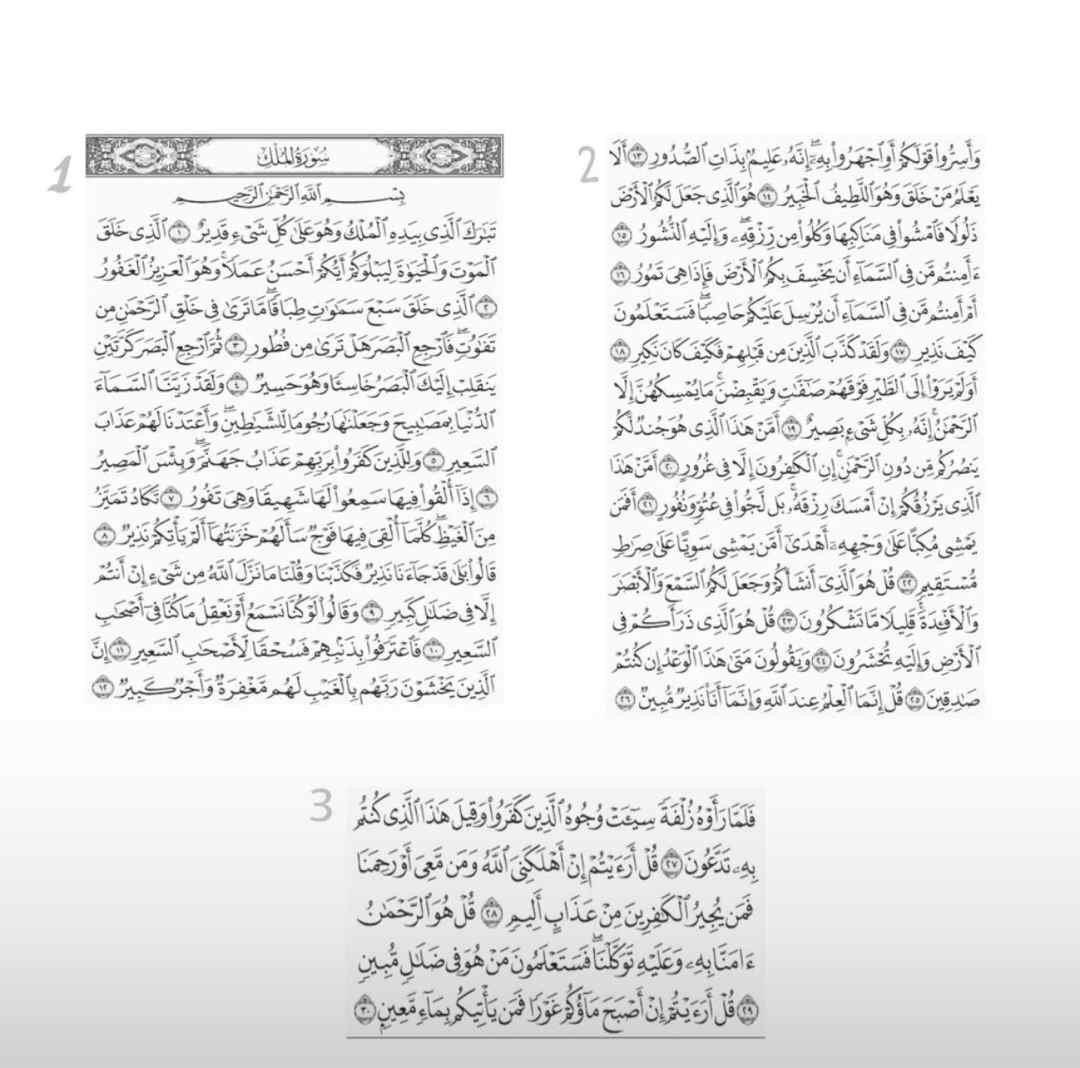
The Quran, regarded as the holy book of Islam, holds immense significance for over 1.9 billion Muslims around the globe. Considered the verbatim word of God by believers, it serves not only as a guide for spiritual life but also as a source of law and moral guidance. Its teachings permeate many aspects of daily life, influencing millions in their personal and communal practices. The recent surge in interest towards understanding religious texts highlights the Quran’s relevance in contemporary society.
Context and Content
Revealed to the Prophet Muhammad over a period of approximately 23 years, the Quran is divided into 114 chapters, known as Surahs, which vary in length. Each Surah focuses on different themes, offering guidance on various aspects of life, including morality, law, and personal conduct. The language of the Quran is Arabic, and it is considered a miracle in terms of its eloquence and linguistic style. Scholars of Islam spend years studying and interpreting the text, striving to grasp its profound meanings.
In recent years, there has been an increased effort to understand and promote the Quran’s teachings, especially in the context of global misunderstandings about Islam. Many organisations have initiated programs aimed at educating non-Muslims about the Quran’s messages of peace, compassion, and justice. These initiatives are crucial, as they foster understanding and can combat the stereotypes often associated with the religion.
Recent Developments
In October 2021, several academic institutions began offering courses that focus on the Quran’s literary and historical context, enabling students to appreciate its depth. Additionally, translations in various languages have made the Quran more accessible to non-Arabic speakers. The publishing industry has also seen a rise in the release of commentaries and interpretations of the Quran, catering to a growing audience eager to explore its teachings.
Conclusion
As global conversations about religion and spirituality continue to evolve, the Quran remains a pivotal text for millions. Its teachings offer valuable insights into ethical living and the pursuit of justice. With ongoing efforts to educate and clarify misconceptions about Islam, the Quran holds a profound significance not just as a religious text but as a bridge to greater understanding and harmony among diverse cultures. As we look to the future, it is essential for both Muslims and non-Muslims alike to engage with the Quran, fostering a more informed and compassionate world.