Introduction
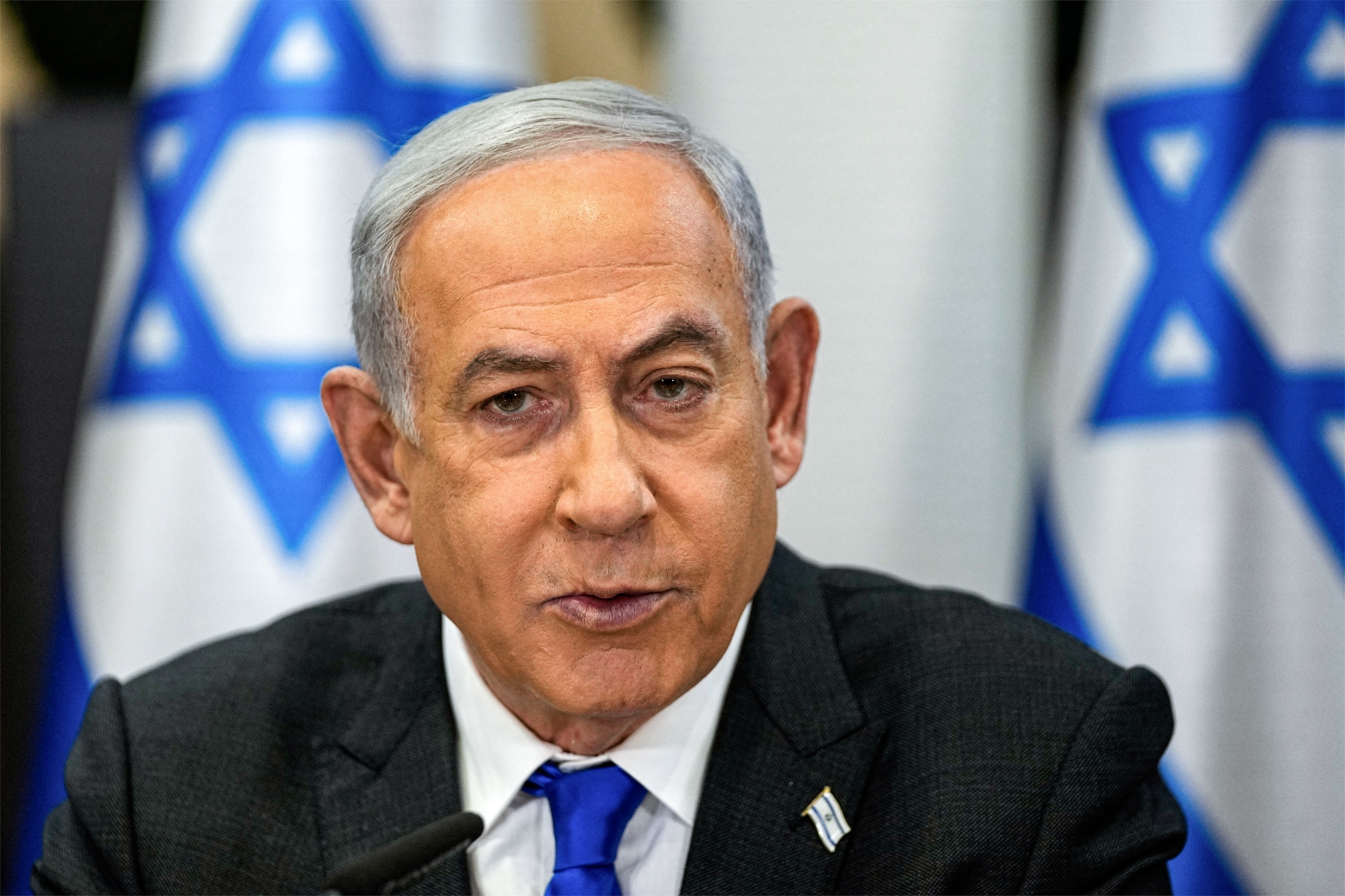
Benjamin Netanyahu, Israel’s longest-serving Prime Minister, continues to be a pivotal figure in the nation’s political landscape. His leadership is significant, particularly in light of the ongoing regional tensions and complex domestic issues. The recent developments surrounding his government have captured the attention of both Israeli citizens and international observers alike, making an understanding of his role and decisions essential.
Recent Developments
As of 2023, Netanyahu’s government has faced significant challenges, including ongoing conflicts with Palestinian territories and internal divisions among coalition partners. His scoring points with right-wing factions, however, has led to controversial policies, notably regarding settlement expansion in the West Bank and handling relations with Gaza.
Recent protests have erupted in Israel, responding to Netanyahu’s judicial reforms that critics argue threaten the independence of the judiciary. The protests, which have gained significant momentum, showcase a divide in Israeli society regarding governance and democracy. In the wake of this unrest, Netanyahu has been tasked with balancing the demands of his far-right allies while addressing the concerns of moderate citizens.
International Relations
Netanyahu’s position is also crucial when it comes to Israel’s international standing. The Prime Minister’s recent meetings with foreign leaders, including discussions with the United States and European nations, highlight his efforts to secure support against perceived threats from Iran and to bolster military partnerships. His government’s approach to navigating these alliances amidst uncertainty and geopolitical shifts has become increasingly important.
Conclusion
As Netanyahu navigates through a politically charged environment, the effects of his policies are expected to resonate not only within Israel but across the region and the globe. How he manages internal dissent and external pressures will be significant in shaping the future of Israeli democracy and its geopolitical relations. Observers speculate that his governance could either lead to strengthening Israel’s international ties or deepen existing divisions at home. Consequently, Netanyahu’s future decisions will undoubtedly remain critical for the trajectory of Israel’s political and social landscape.