Introduction
The National Health Service (NHS) is a cornerstone of public health in the United Kingdom, providing comprehensive medical services to millions. Founded in 1948, the NHS was established on the principles of providing healthcare that is free at the point of use, funded by taxation. Recently, the NHS has been in the spotlight due to various trials and transformations during the COVID-19 pandemic and ongoing pressures on its resources. Understanding the current challenges and developments faced by the NHS is crucial for discussing the future of healthcare in the UK.
Current Challenges
In recent months, the NHS has coped with a range of challenges, such as staffing shortages, increased patient demand, and long waiting times for treatments. According to the latest figures from NHS England, over 7 million people were reported to be on waiting lists for elective procedures as of August 2023, an increase of nearly 5% compared to the same period last year. These delays have raised concerns about patient health and well-being, as many individuals await crucial medical attention.
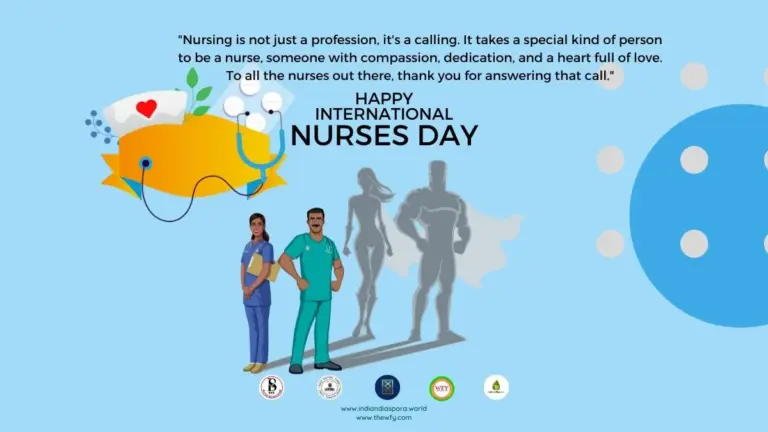
The pressures on the NHS have also been exacerbated by a shortage of nursing staff, with the Royal College of Nursing estimating that there are more than 40,000 nursing vacancies across the country. Many healthcare professionals are leaving the NHS due to burnout, lower salaries compared to the private sector, and poor working conditions, prompting urgent calls for reforms.
Positive Developments
Despite the challenges, there have been positive steps taken by the NHS. The recent rollout of the NHS Long Term Plan has outlined a vision focused on improving services, integrating health and social care, and promoting preventative healthcare. Additionally, investment in technology and telehealth has expanded access to services, making consultations more convenient for patients and reducing pressure on in-person visits.
The introduction of new treatments and medications, for conditions such as cancer and rare diseases, signifies ongoing advancements in medical research and accessibility, showcasing the NHS’s commitment to innovation.
Conclusion
The NHS remains an invaluable institution for the UK, but urgent action is required to address its pressing challenges. Continued investment in workforce training and retention, along with embracing technological advancements, will be vital for sustaining the NHS’s capacity to provide high-quality care. As the public engages in discussions about the future of healthcare, understanding the complexities faced by the NHS is essential in advocating for change and supporting reforms aimed at revitalising this beloved institution.