A suspected hantavirus outbreak aboard the MV Hondius has resulted in three fatalities and several illnesses among passengers and crew while traveling between Argentina and the Canary Islands. This incident marks the first known case of hantavirus associated with a cruise ship, raising significant concerns about potential transmission in such enclosed environments.
Key facts:
- Three individuals have died, including an elderly couple from the Netherlands.
- One case of hantavirus infection has been laboratory confirmed, with five additional suspected cases reported.
- The World Health Organization estimates that 150 people remain on board the ship, including both passengers and crew members.
- Two patients are currently sick on board, awaiting medical evacuation to the Netherlands.
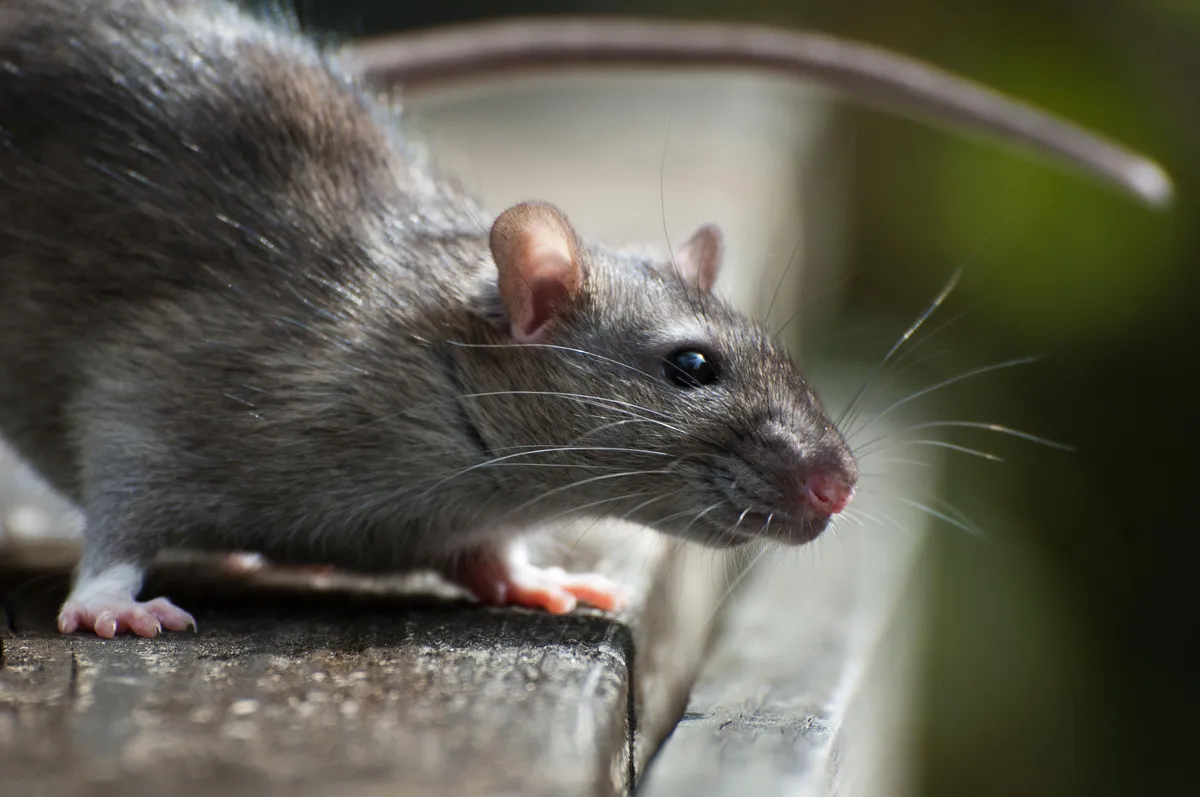
The strain of hantavirus involved remains unknown, which adds to the uncertainty surrounding this outbreak. Hantaviruses are primarily carried by rodents and can spread to humans through inhalation of contaminated droppings or urine. The Andes strain—common in South America—can lead to severe respiratory illness, making this situation particularly alarming.
Experts emphasize that while hantavirus infections are rare in humans, they can be misdiagnosed as other respiratory illnesses. Dr. Yomani Sarathkumara noted that these infections often go unrecognized due to their rarity. Still, officials from the World Health Organization have warned that “while rare, hantavirus may spread between people.” This highlights a critical area of concern for health authorities as they investigate this outbreak.
The circumstances leading to this outbreak remain unclear. Nicole M. Iovine, MD, PhD, suggested that isolated cases might have occurred previously without recognition as hantavirus infections. This poses questions about cruise ship sanitation practices and whether they adequately address potential rodent transmission risks.
As investigations continue, health officials face challenges not only in identifying the strain but also in understanding how six patients aboard contracted the virus. Hantaviruses can have incubation periods ranging from one to eight weeks, complicating efforts to trace the source of infection.
This unprecedented situation on a cruise ship could prompt a reevaluation of health protocols within the cruise industry—especially regarding sanitation standards related to rodent control. With three confirmed deaths and ongoing medical evaluations, vigilance remains essential as authorities work to ensure safety for all passengers aboard.