Introduction
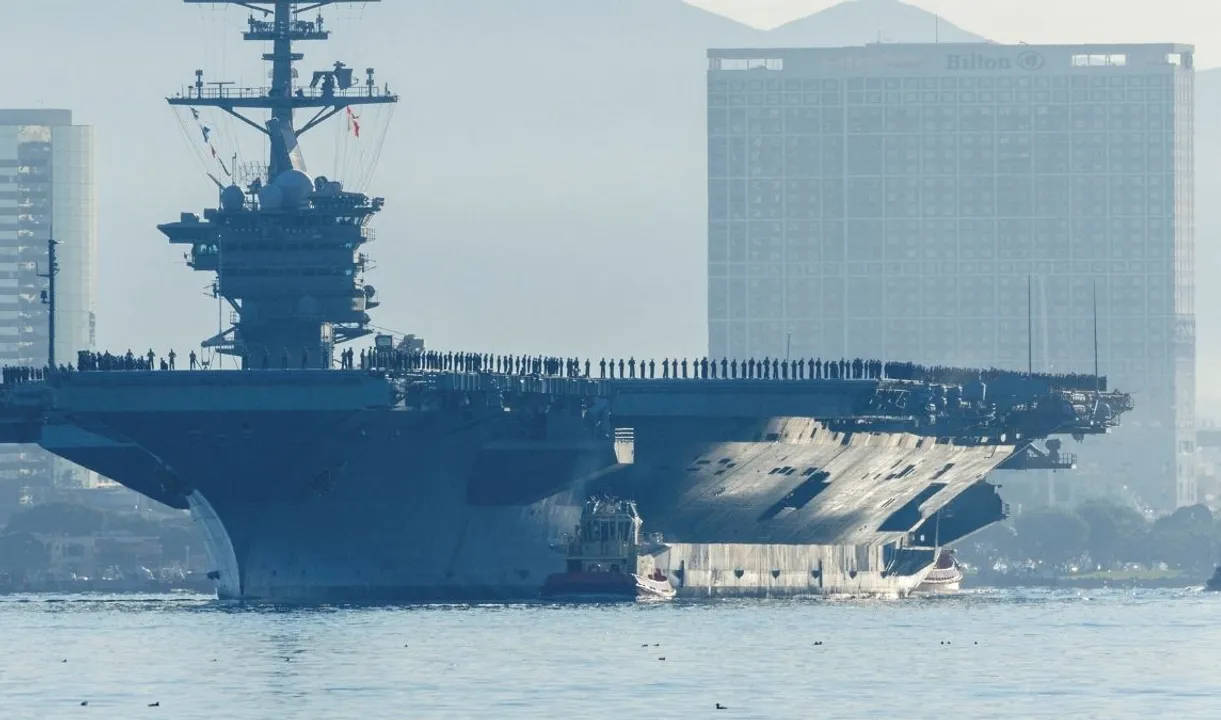
The USS Abraham Lincoln (CVN-72) is a Nimitz-class aircraft carrier of the United States Navy, named after the 16th President of the United States, Abraham Lincoln. This vessel plays a crucial role in the Navy’s mission, serving as a mobile military base that can operate in international waters. With the growing importance of naval strength in geopolitics, understanding the capabilities and current operations of the USS Abraham Lincoln is essential for keeping informed about military advancements and global security.
History and Specifications
Commissioned in 1989, the USS Abraham Lincoln is the fourth ship in the Nimitz-class and represents a significant evolution in naval engineering. Standing at 1,092 feet long and capable of operating over 70 aircraft, it serves as a platform for power projection and maritime security. The ship has undergone several upgrades throughout its service, enhancing its capabilities with modern technology to remain relevant amid changing warfare dynamics.
Current Operations and Significance
Recently, the USS Abraham Lincoln has been deployed in the Pacific, participating in joint exercises with allied navies and strengthening partnerships in the region. As tensions rise in various hotspots around the world, the presence of the USS Abraham Lincoln serves as a deterrent against potential threats. The carrier is equipped not only with fighter jets but also with advanced surveillance and reconnaissance capabilities, which play a pivotal role in the Navy’s operational strategy.
Conclusion
The USS Abraham Lincoln remains a central part of the US Navy’s fleet, exemplifying the United States’ commitment to maintaining maritime security and projecting power globally. With the changing nature of warfare and increasing geopolitical tensions, the role of aircraft carriers like the Lincoln is more significant than ever. As technology advances, the ship is expected to continue adapting, ensuring it remains a key asset for future naval operations.