The Importance of Tall Buildings
As urbanisation continues to rise globally, the construction of skyscrapers has become a focal point in architectural innovation and economic development. Skyscrapers not only define a city’s skyline but also represent technological advancements and a city’s economic aspirations. Understanding the world’s tallest buildings offers insight into both engineering feats and the cultural significance of high-rise structures.
Current Rankings and Notable Structures
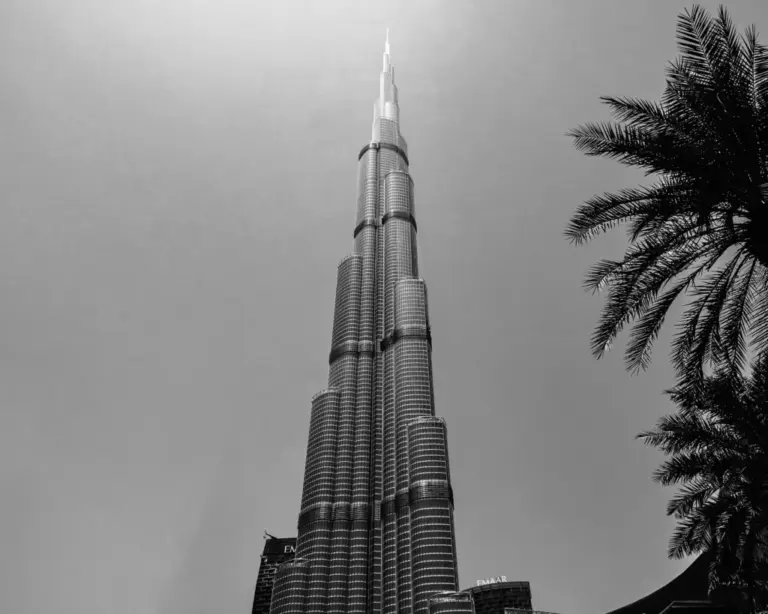
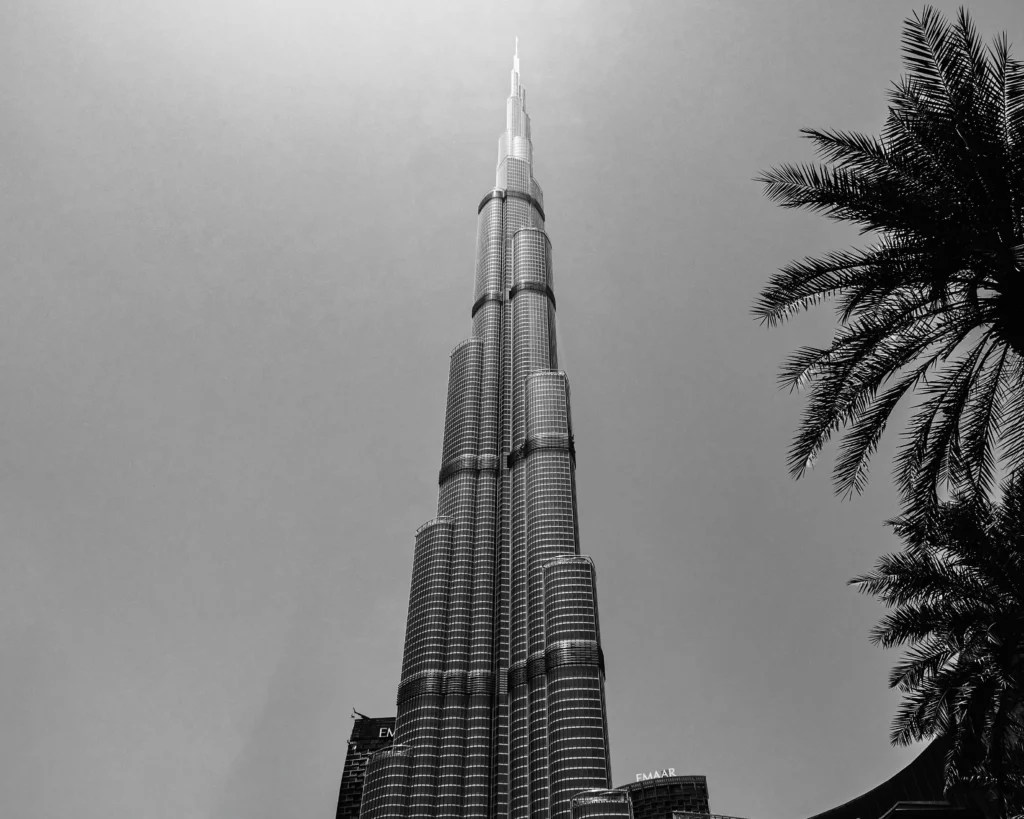
The Council on Tall Buildings and Urban Habitat (CTBUH) currently lists the Burj Khalifa in Dubai, UAE, as the tallest building in the world at a staggering height of 828 metres (2,717 feet). Completed in 2010, the Burj Khalifa has reigned supreme for over a decade, showcasing both its impressive architectural design by Adrian Smith and its functional spaces that include residential, commercial, and hospitality facilities.
Following closely behind, the Shanghai Tower in China is the second tallest building, standing at 632 metres (2,073 feet). It features a unique twisting design and is home to office spaces, hotels, and observation decks, enabling stunning views of the surrounding cityscape.
Other notable buildings include the Abraj Al Bait Clock Tower in Mecca, Saudi Arabia, which ranks third at 601 metres (1,971 feet), and the Ping An Finance Centre in Shenzhen, China, at 599 metres (1,965 feet). Each of these skyscrapers showcases distinct architectural styles and remarkable engineering capabilities, reflecting both their cultural context and technological innovations.
Future Developments
Looking ahead, several ambitious projects are set to reshape the list of the tallest buildings. One such project is the Jeddah Tower (formerly known as Kingdom Tower) in Saudi Arabia, which aims to surpass the height of Burj Khalifa at an anticipated 1,000 metres (3,281 feet). Scheduled for completion in 2024, the Jeddah Tower highlights the ongoing fascination with height and vertical living in urban environments.
Conclusion
The world’s tallest buildings are not just architectural marvels; they reflect the aspirations and advancements of the societies that build them. As technology progresses and urban populations surge, the race for ever-taller skyscrapers is likely to continue. The development of these structures will further ignite innovations in engineering and design while examining their environmental impact and urban integration. With each new skyscraper, we redefine what is possible in our urban landscapes, offering a glimpse into the future of city living.