Introduction
The quest for height in architecture has led to the construction of some of the most impressive skyscrapers in the world. In 2023, the architectural landscape is dominated by feats of engineering that not only define city skylines but also push the boundaries of design and technology. With urbanisation on the rise, understanding these towering structures is crucial for grasping modern architectural trends and urban planning.
Recent Developments
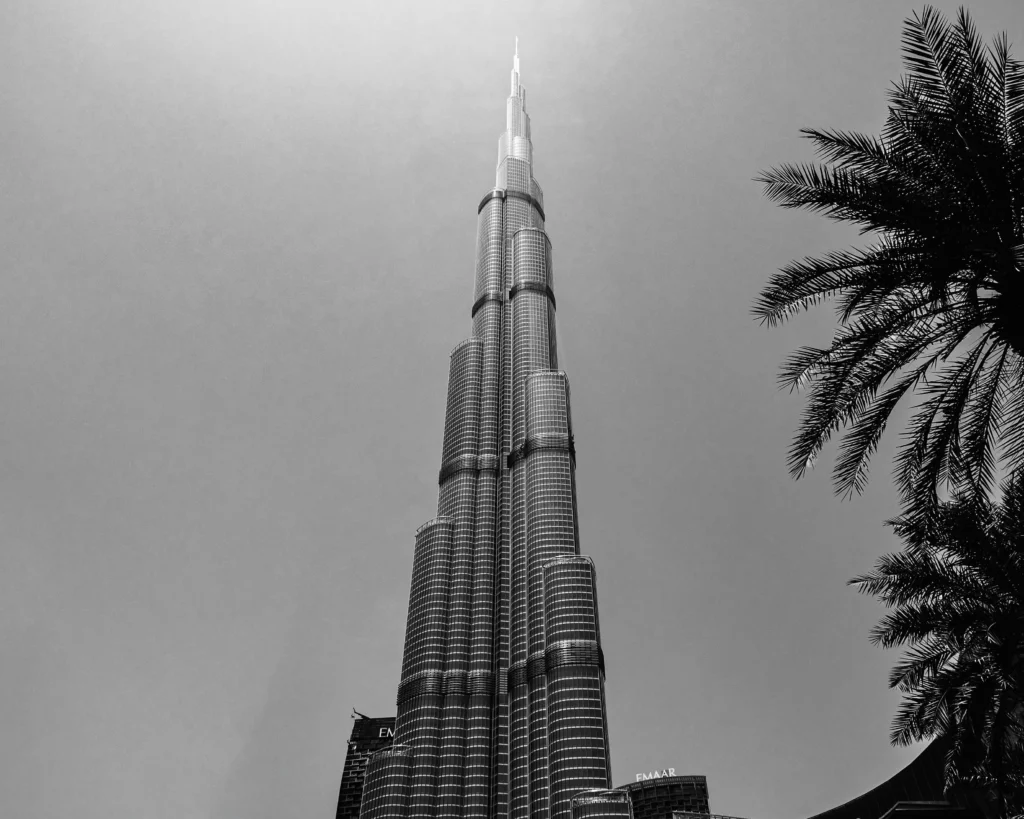
As of 2023, the Burj Khalifa in Dubai continues to hold its title as the world’s tallest building, standing at an astounding 828 metres. Completed in 2010, it boasts 163 floors, and remains a symbol of modern luxury and innovation. Following closely behind is the Shanghai Tower, which reaches a height of 632 metres and features a unique twisting design that reduces wind load on the structure.
The third tallest building, the Abraj Al Bait Clock Tower, located in Mecca, Saudi Arabia, stands at 601 metres. Its significant height is complemented by its cultural importance, as it overlooks the Grand Mosque, a site of great religious significance. Moreover, the Ping An Finance Centre in Shenzhen, China, ranks fourth at 599 metres tall, showcasing a blend of commercial and public spaces in its design.
Emerging Giants
The skyline of the future is being shaped by emerging skyscrapers. Projects like the Jeddah Tower in Saudi Arabia, which aims to surpass the Burj Khalifa with a planned height of over 1,000 metres, are on the horizon. Expected to be completed by 2024, the Jeddah Tower will redefine the concept of skyscraper architecture as it aims to create a new landmark for the region.
Additionally, the One World Trade Center in New York, which stands at 541 metres (1,776 feet including its spire), continues to be a beacon of resilience and peace for the city, while adapting to contemporary sustainability practices.
Conclusion
The world’s tallest buildings are not merely architectural feats; they represent the aspirations and capabilities of societies. As urban areas continue to expand, the race to construct taller buildings is expected to persist, marked by innovations in engineering, design, and sustainability. For architects, urban planners, and enthusiasts, these skyscrapers are more than structures; they are a reflection of cultural identities and the ever-evolving skyline of our cities. As new projects emerge, the landscape will continue to change, making it essential for observers to stay updated on these monumental developments.