Introduction
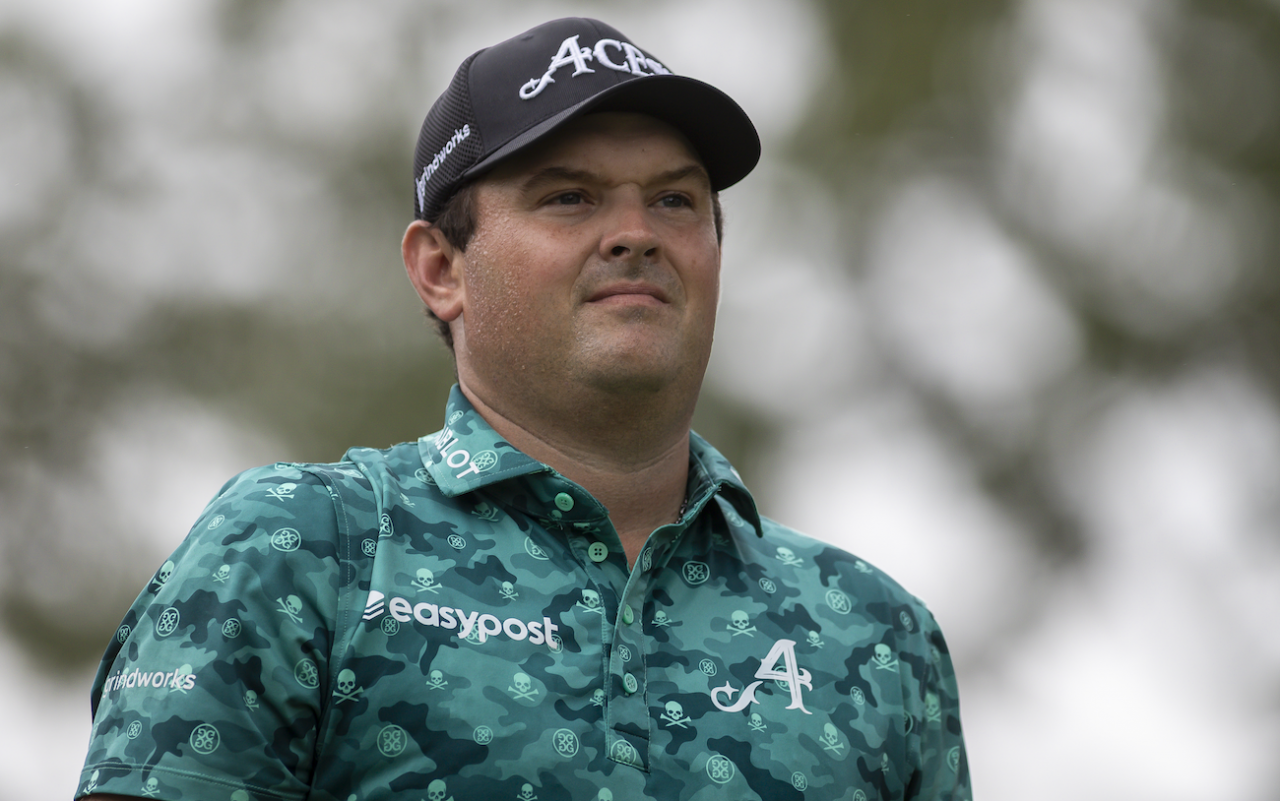
Patrick Reed has emerged as one of golf’s most intriguing figures, combining remarkable talent with a polarising reputation. Known for his impressive performances in major tournaments, Reed’s career has been marked by both success and controversy. His recent activities have reignited interest in his golfing prowess and personal journey, making it a relevant topic for golf fans and enthusiasts alike.
Career Highlights
Born on August 5, 1990, in San Antonio, Texas, Patrick Reed showed early promise in golf, winning numerous accolades during his collegiate career at Augusta State University. He gained international recognition in 2018 when he secured his first major victory at The Masters, defeating Rickie Fowler and others in a tight final round. Reed’s strategic style of play and mental toughness earned him the nickname ‘Captain America’ during team events, notably in the Ryder Cup.
Recent Developments
In recent months, Reed has been in the spotlight not only for his on-course achievements but also for his controversial decisions off the course. His decision to join the LIV Golf series, a competing professional tour backed by Saudi Arabia, has divided opinions within the golf community. Many see this move as a bold pursuit of financial security, while others view it as a departure from traditional golf values.
As part of LIV Golf, Reed has continued to display his competitive spirit, delivering strong performances and even winning events in the new series. His presence has brought attention to LIV Golf’s ambitious plans to disrupt the established golfing hierarchy, which has been dominated by the PGA Tour.
The Future of Patrick Reed
Looking ahead, Patrick Reed’s career is set to take new turns as he navigates the evolving landscape of professional golf. His decision to align with LIV Golf suggests that he is ready to embrace the growing opportunities and challenges it presents.
As Reed continues to compete, his performances will likely garner significant media attention, particularly as he vies for positioning in both tours. Golf analysts will be keen to watch how he adapts his game and strategies in this new environment, especially in relation to his rivals on the PGA Tour.
Conclusion
Patrick Reed’s career encompasses talent, ambition, and controversy, making him a fascinating subject in the world of sports. His future remains uncertain as the divide between the traditional and the new in professional golf continues to widen. For fans of the sport, Reed’s journey is not only a case study of a golfer’s career but also a reflection of the changing dynamics of professional sports.