Introduction
Belfast, the capital city of Northern Ireland, stands as a significant cultural and historical hub in the UK. Known for its rich maritime heritage, vibrant arts scene, and resilient spirit, Belfast has transformed dramatically over recent decades. Recently, the city has gained global attention due to its dynamic developments and cultural renaissance.
Historical Significance
Belfast’s history as a shipbuilding centre is unparalleled, notably as the birthplace of the RMS Titanic. The Titanic Quarter, a revitalised area of the city, now features the iconic Titanic Belfast museum, which attracts thousands of tourists each year. Alongside its industrial past, Belfast has a complex political history that reflects the wider socio-political struggles in Northern Ireland.
Cultural Landscape
The cultural landscape of Belfast is equally rich, encompassing a variety of music, theatre, and the visual arts. The city hosts the Belfast Festival at Queen’s, an annual arts festival that showcases local and international talent. Furthermore, the Ulster Orchestra and numerous theatres like the Grand Opera House contribute to a vibrant performing arts scene.
Recent Developments
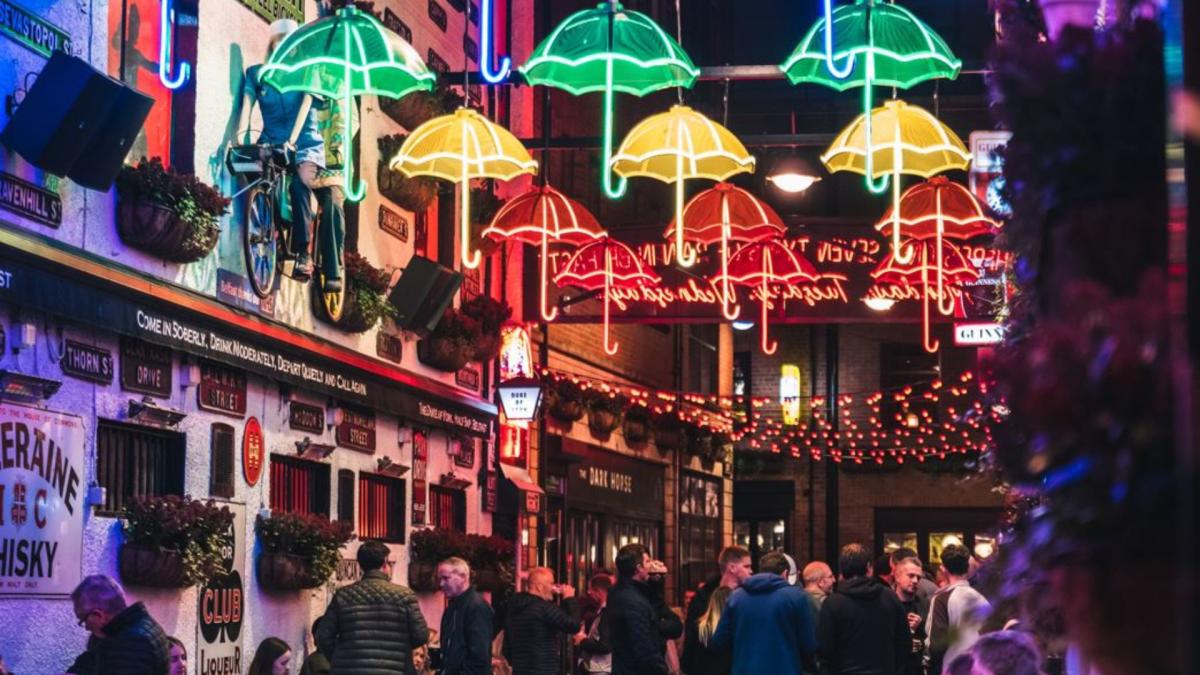
In recent years, Belfast has seen a revival in its tourism sector, with increased investment in hospitality and entertainment. The city has also recently made headlines for its focus on sustainability, with initiatives aimed at promoting green spaces and eco-friendly transportation options. The establishment of new restaurants and cafes, particularly in the Cathedral Quarter, underscores the city’s culinary boom.
Conclusion
As Belfast continues to evolve, it retains its rich tapestry of history and culture. The city stands as a testament to resilience and renewal, drawing visitors with its stories and experiences. Moving forward, Belfast is poised to strengthen its identity as not only a cornerstone of Northern Ireland but as a must-visit destination in Europe.