Introduction
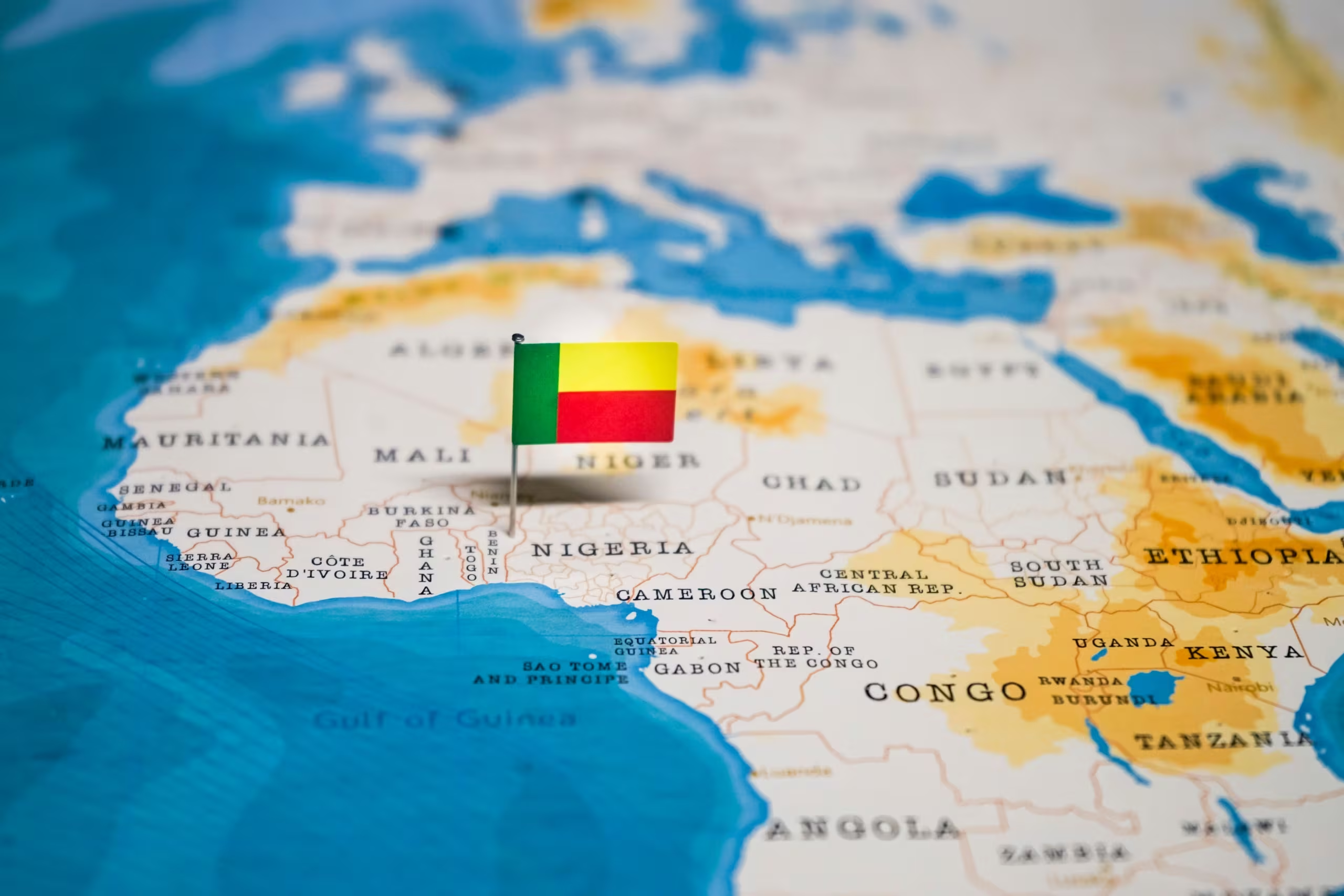
Benin, a small West African country located on the coast of the Gulf of Guinea, is a nation steeped in history and culture. Known for its rich heritage and vibrant traditions, Benin is not only an important historical region but also an emerging economy in the region. As it continues to develop, understanding the significance of Benin is essential for anyone interested in African culture and international markets.
Key Facts and Historical Context
Formerly known as Dahomey, Benin was once a powerful kingdom that thrived on the slave trade and agricultural exports. Gaining independence from French colonial rule in 1960, the country has since experienced various political changes, with a transition from a Marxist-Leninist regime to a multi-party democracy in the 1990s. The capital city, Porto-Novo, is known for its historical buildings, while Cotonou serves as the economic hub of the nation.
Culture and Heritage
Benin’s cultural diversity is reflected in its numerous ethnic groups, with the Fon, Yoruba, and Bariba being some of the predominant groups. Traditional religions, such as Vodun (or Voodoo), play a significant role in the daily lives of many Beninese people. Festivals like the annual Voodoo Day in January attract both locals and tourists, highlighting the importance of spirituality and tradition in Benin. Furthermore, the country is home to several UNESCO World Heritage sites, including the Royal Palaces of Abomey, which preserve the legacy of the Dahomey Kingdom.
Economic Landscape and Development
Economically, Benin is classified as a developing country, primarily reliant on agriculture. The sector accounts for approximately 30% of the GDP and employs over 60% of the population. However, recent efforts have been made to diversify its economy through investments in infrastructure and services. The Port of Cotonou is critical for trade, facilitating exports such as cotton and shea butter. The government has also encouraged foreign investment, particularly in sectors like technology and manufacturing.
Conclusion
In conclusion, Benin is a nation rich in history and cultural significance, with a developing economy that presents numerous opportunities for growth. As it strives towards modernization, understanding Benin’s unique heritage and economic landscape is vital for fostering international relations and appreciation of its cultural assets. The future of Benin looks promising as it continues to preserve its past while embracing modernity.