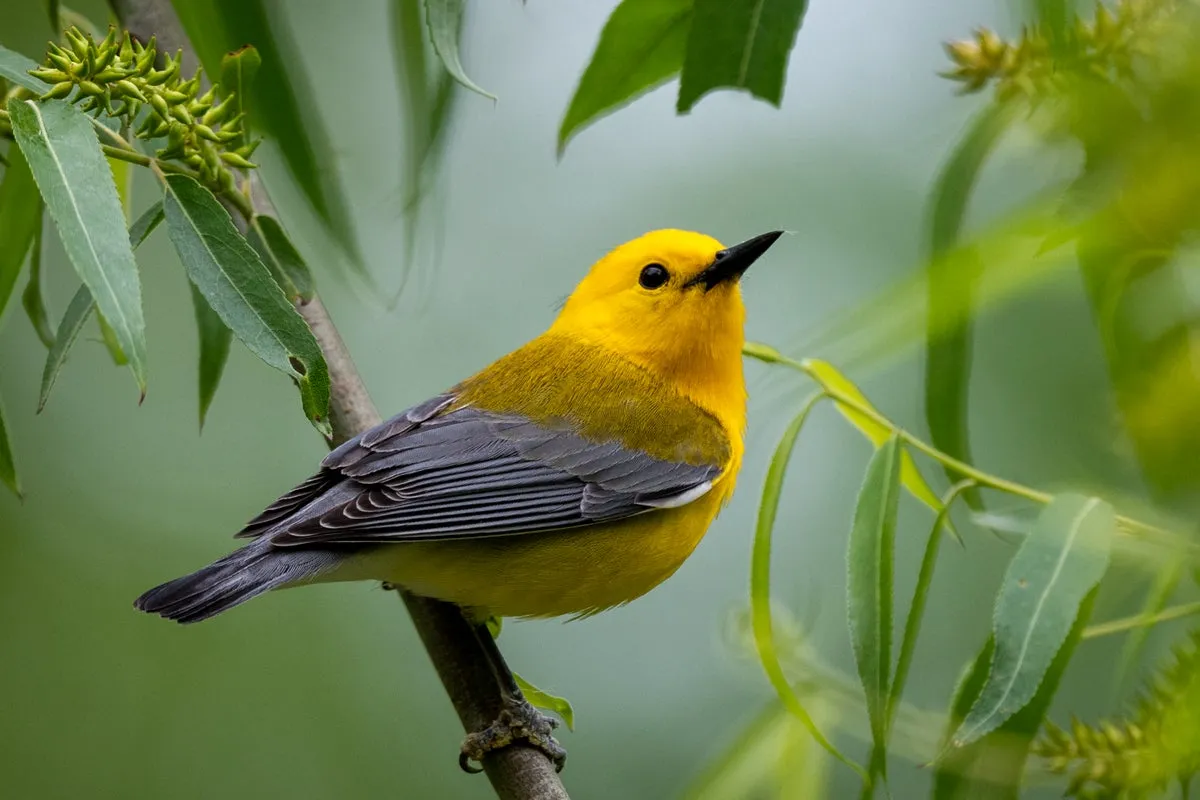
A new study reveals that urban birds react differently to men and women, showing more fear towards women. This surprising finding highlights a significant aspect of avian behavior in urban settings.
Researchers found that birds like the American Robin and House Sparrows demonstrate heightened wariness when approached by women compared to men. In fact, the study indicates that men can approach these birds nearly one meter closer before they flee. This distinction raises intriguing questions about how urban birds perceive human interactions.
Key findings:
- The migration of birds from their southern wintering grounds to their breeding grounds in the north is in full swing.
- Spring migration is peaking as over 147 million birds are predicted to take wing across North America tonight.
- Bird populations in North America have declined by three billion since 1970.
The behavior of urban birds is particularly noteworthy against the backdrop of declining bird populations. Anecdotal evidence from bird watchers suggests fewer sightings over the years, with various species like Tree Swallows and Blue-gray Gnatcatchers becoming increasingly rare. Understanding the nuances of their interactions with humans could provide insights into their survival strategies.
But why do these birds seem to fear women more? The reasons remain unclear. Professor Daniel Blumstein noted, “I fully believe our results, that urban birds react differently based on the sex of the person approaching them, but I can’t explain them right now.” Such statements underline the complexity of avian responses to human presence.
Interestingly, this study also affirms that birds can recognize the sex of humans approaching them — a remarkable cognitive ability. As fledglings learn to navigate their environments, recognizing potential threats becomes crucial for survival. Bird vocalizations often serve as alerts during such encounters, emphasizing their adaptive strategies within urban landscapes.
The implications of these findings extend beyond mere curiosity; they may influence how conservation efforts are structured in urban areas. As bird populations continue to decline, understanding their behavioral patterns could lead to more effective strategies for protecting these vital species during critical periods like migration.