Introduction
The Idaho murders case, involving the tragic deaths of four University of Idaho students, has captured national attention and raised significant concerns about safety on college campuses. The incident, which occurred in November 2022, has become a pivotal moment in discussions of crime, law enforcement responses, and community safety.
The Incident Overview
On November 13, 2022, four students—Kaylee Goncalves, Madison Mogen, Xana Kernodle, and Ethan Chapin—were found brutally murdered in an off-campus home in Moscow, Idaho. The shocking nature of the crimes, compounded by the close-knit community’s initial lack of a perpetrator, sparked widespread media attention and public fear. Investigators worked tirelessly, pouring over evidence, interviewing witnesses, and using advanced forensic techniques.
The Investigation Developments
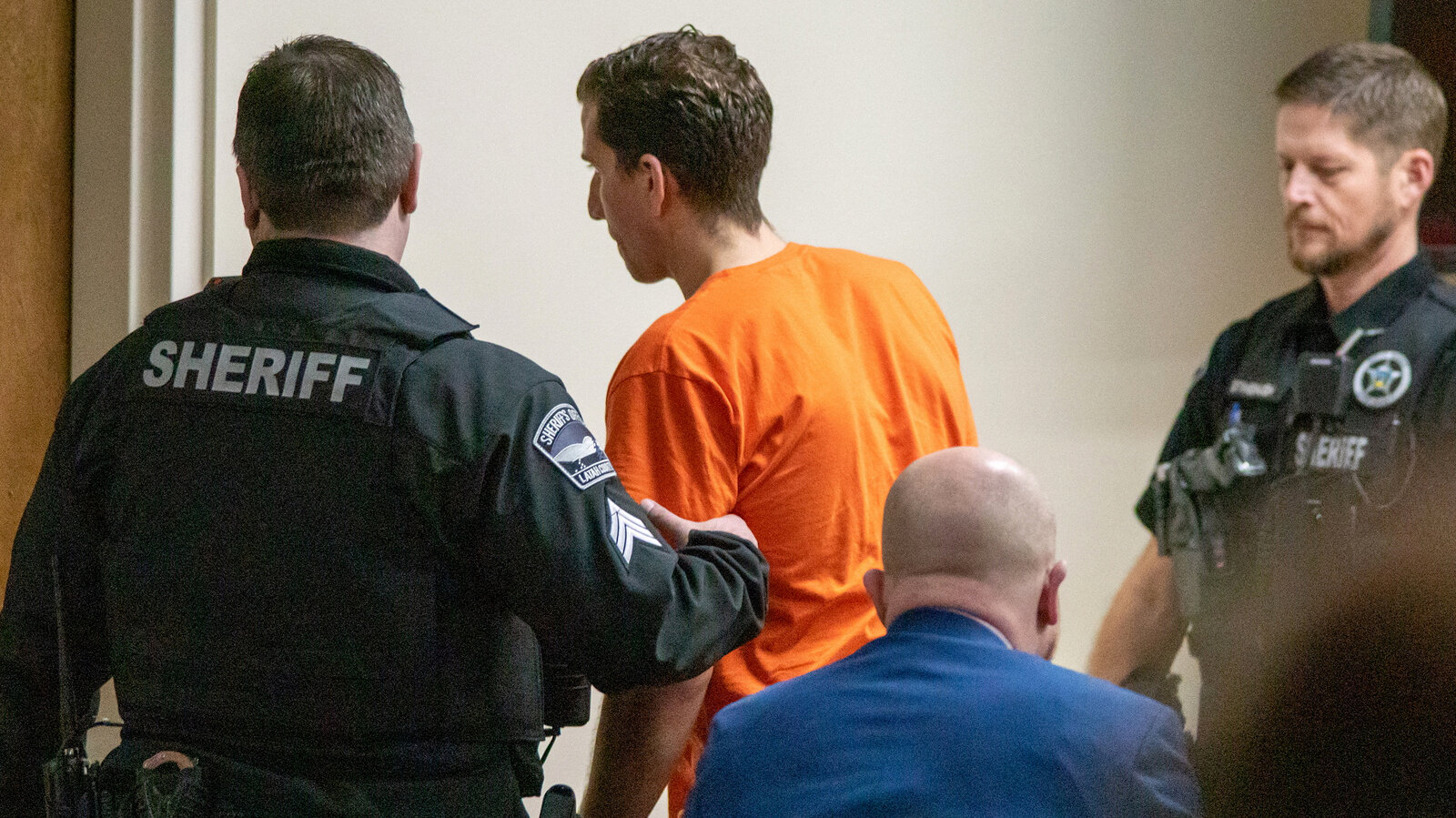
For weeks, the investigation into the Idaho murders yielded few leads, leading to growing frustration among students and parents. This changed dramatically in late December when authorities arrested Bryan Kohberger, a 28-year-old criminal justice PhD student, who resembled a suspect profile developed through extensive investigative techniques. Following his arrest, authorities revealed further evidence including DNA findings and a connection to the victims.
Legal Proceedings
Since his arrest, Kohberger has been facing multiple charges, including first-degree murder. The legal proceedings have drawn significant media scrutiny and have raised questions about the state of the criminal justice system in handling such highly publicized cases. Scheduled court hearings and motions are ongoing, with Kohberger pleading not guilty to the charges, stating he did not commit the crimes attributed to him.
Impact on Community and Policy
The Idaho murders have resulted in increased calls for improved safety measures on college campuses across the United States. Institutions are examining existing security protocols, and student safety is being prioritised more than ever. Additionally, the case has ignited discussions about mental health resources for students, which many feel are insufficient.
Conclusion
The Idaho murders continue to resonate beyond the tragic event, prompting broader conversations about safety, community well-being, and systemic change in law enforcement and mental health support. As the legal proceedings unfold, the hope remains that lessons can be learned to prevent future tragedies and to ensure that communities feel secure in their environments.