The abrupt shutdown of Spirit Airlines on May 2, 2026, after 34 years of operation has left a significant gap in low-cost travel options. This sudden cessation of flights and customer service marks a pivotal moment for the airline industry, particularly affecting routes from Atlantic City International Airport.
Spirit Airlines had been struggling financially for years, grappling with increased fuel costs and fierce competition. The decision to wind down operations was announced with disappointment, as the airline cited these financial strains as key factors in its demise.
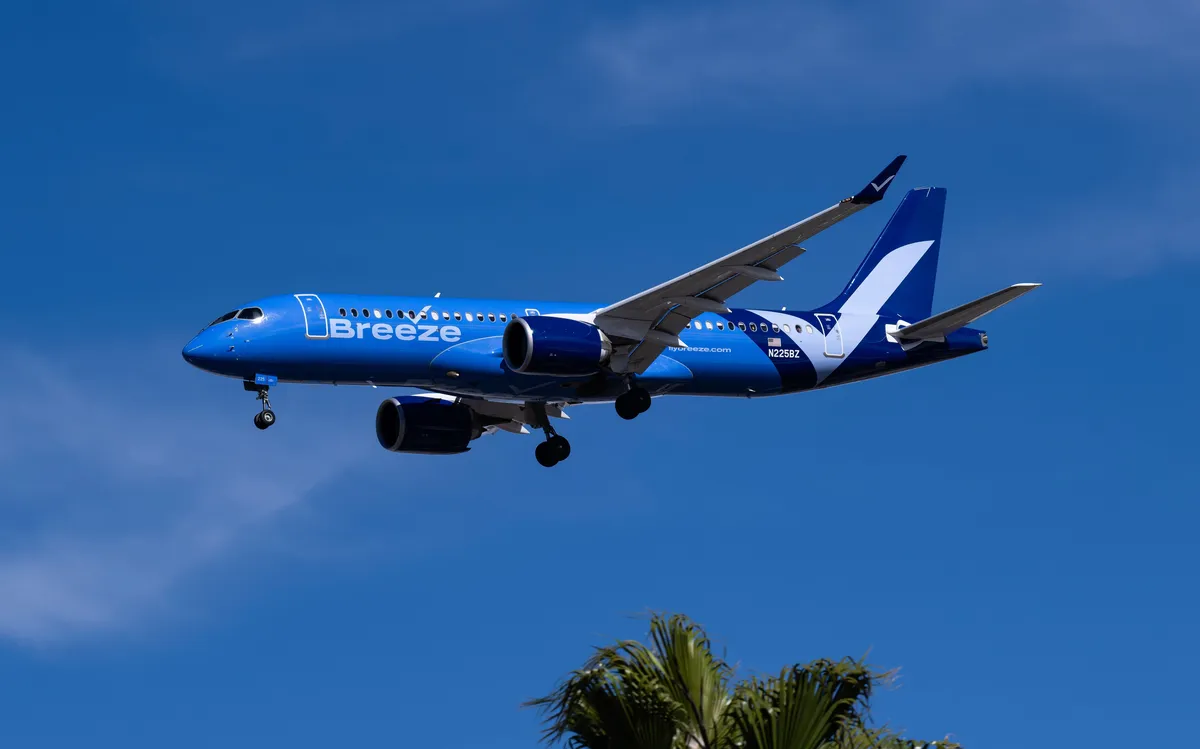
As Spirit Airlines ceased operations, other carriers quickly moved to fill the void. Breeze Airways announced it will begin new services to Charleston, S.C., Raleigh/Durham, N.C., and Tampa, Fla. This expansion reflects a strategic move to capture passengers who may be left stranded or seeking alternatives.
In addition to Breeze’s efforts, Allegiant Air continues to operate nonstop flights to four Florida destinations from Atlantic City International Airport. This competitive landscape is crucial for maintaining affordable air travel options for consumers.
Passengers affected by Spirit’s flight cancellations are advised to monitor their refunds closely. Many are navigating the complexities of securing their money back—an often frustrating process that can take time.
The situation at Atlantic City is evolving rapidly. As David Neeleman, founder and CEO of Breeze Airways, noted, “Atlantic City is not only a great destination for travelers but also a gateway to many other metro areas.” This perspective underscores the airport’s importance in the broader network of low-cost air travel.
Moreover, American Airlines has introduced ‘Landline’ luxury motorcoach service connecting Atlantic City directly with Philadelphia International Airport. This innovative approach could help ease the transition for travelers adjusting to the new airline dynamics.
The implications of these changes are significant for passengers and airlines alike. With Spirit’s absence, Breeze Airways and others are positioned to benefit from increased demand for low-cost flights. Yet, the challenge remains: can they sustain this growth amidst ongoing industry pressures?
As we look ahead, one thing is clear—the landscape of low-cost airlines is shifting. Breeze Airways’ expansion is just one response to an evolving market that will require adaptability and resilience from all players involved.