NASA’s Curiosity rover has discovered a record number of complex organic molecules on Mars, totaling 21 different molecules. This groundbreaking finding raises hopes for understanding potential past life on the planet.
The Curiosity rover’s analysis suggests that Mars retained complex carbon material inside rocks for billions of years. The sampled rock, which formed about 3.5 billion years ago, was taken from Gale Crater, an area that once held water.
This mission aligns with NASA’s ongoing efforts in Mars exploration, particularly in the search for organic molecules. Since its launch, the Curiosity mission has aimed to uncover signs of ancient life and the conditions that could have supported it.
The findings include seven never-before-seen molecules, including a nitrogen heterocycle. Such discoveries expand our understanding of what building blocks for life might exist beyond Earth.
Key facts:
- The Curiosity rover used a solvent called tetramethylammonium hydroxide (TMAH) in methanol for its organic molecule analysis.
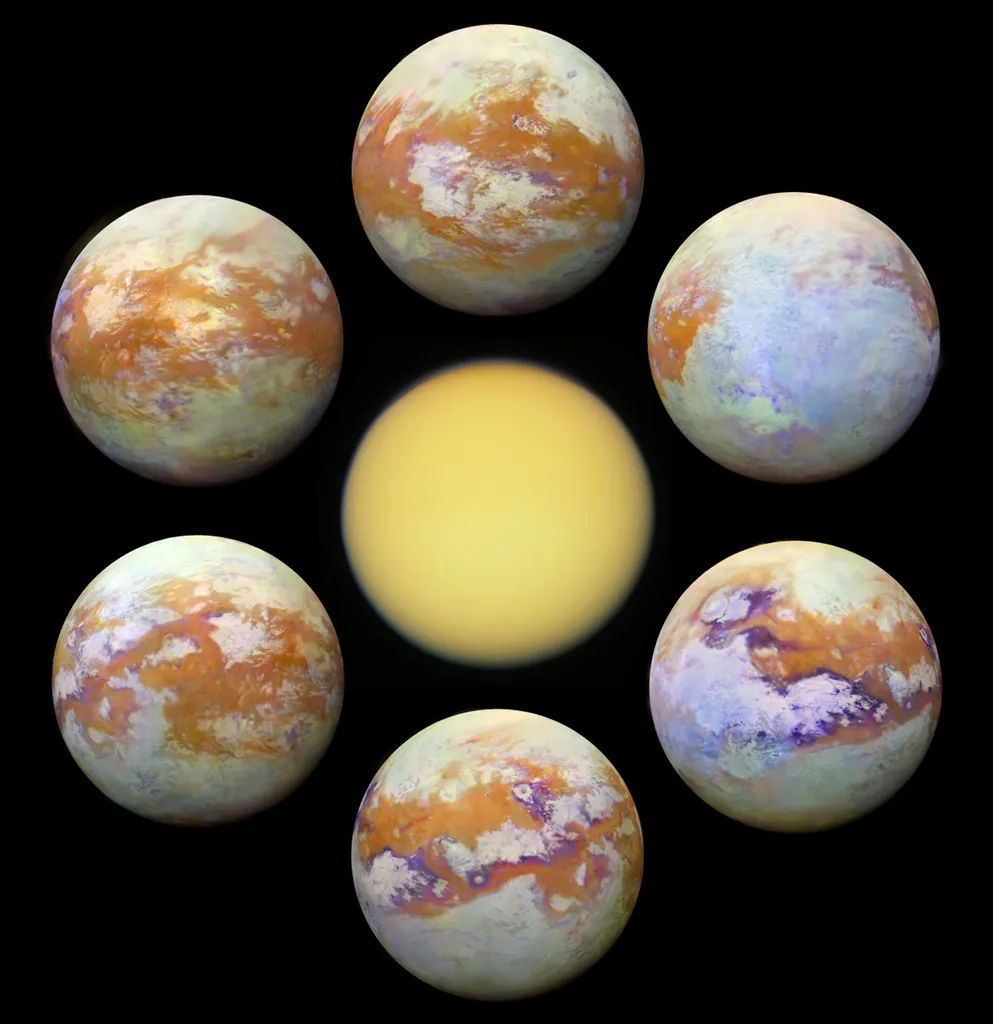
- Nasa’s rotorcraft mission to Titan is set to launch no earlier than July 2028.
- The electric thruster at NASA’s Jet Propulsion Lab achieved power levels exceeding 120 kilowatts.
Amy Williams, a researcher involved in the study, stated, “Our discovery not only expands the catalog of known molecules but tells us that some of the building blocks for life as we know it on Earth were also present on Mars in the ancient past.” This statement underscores the significance of these findings.
As NASA continues to innovate—like developing electric propulsion technologies—the agency is also making strides toward future missions. Jared Isaacman commented on the electric thruster test, emphasizing its potential role in sending astronauts to Mars.