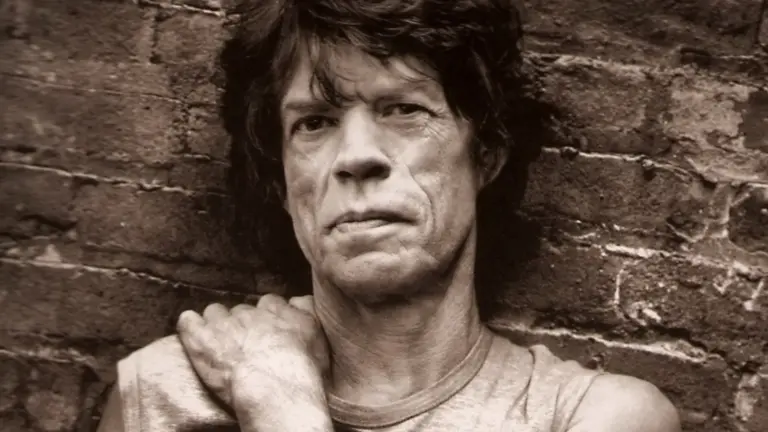
Introduction to Brian Eno
Brian Eno, a multifaceted English musician, record producer, and visual artist, is best known for his pioneering work in ambient music and sound design. His innovative approach to music composition and his influential partnerships with other artists, such as David Bowie and U2, have left a lasting impact on modern music. Eno’s ability to merge technology with music has made him a key figure in contemporary art and an essential part of the narrative surrounding the evolution of the music industry.
Career Highlights
Born on May 15, 1948, in Woodbridge, Suffolk, UK, Eno initially studied fine art and music before venturing into the music scene during the 1970s. He first gained recognition as a member of the glam rock band Roxy Music, where his synthesiser skills caught the attention of critics and fans alike. Following his departure from the group, Eno embarked on a solo career, producing some of the most iconic ambient albums, including ‘Music for Airports’ (1978) and ‘Another Green World’ (1975).
In the late 1970s and 1980s, Eno’s production work earned him acclaim, especially as he collaborated with artists like David Bowie on the ‘Berlin Trilogy’, which redefined Bowie’s sound. His experimental techniques, such as the use of tape loops and generative music, reshaped the approach to recording albums and paved the way for future generations of musicians.
Innovations and Influence
Eno’s influence extends beyond music into various fields, including visual arts and technology. He is known for coining the term ‘ambient music’, which refers to a genre that emphasizes atmosphere and mood over traditional musical structure. His creative outlook has encouraged numerous artists and produced collaborative projects that span genres and mediums. Beyond his solo works, Eno has been involved in projects like the “Microsoft’s Windows 95 startup sound,” showing the reach of his sound design far beyond traditional music.
Recent Developments
In 2022, Eno released his latest album, ‘ForeverAndEverNoMore’, which has been praised for its blend of electronic and acoustic soundscapes. His continued relevance in the contemporary music scene reflects his adaptability and forward-thinking approach. Eno also engages in various artistic projects, including installations and applications of artificial intelligence in music creation.
Conclusion
Brian Eno remains a vital part of the music world and the broader cultural landscape. His innovative spirit and willingness to challenge traditional norms have solidified his role as a pioneer. As the music industry evolves with technology and new trends, Eno’s work will undoubtedly continue to influence future artists and musicians. Whether through his ambient soundtracks or production expertise, Eno’s legacy as a groundbreaking artist prevails.