Introduction to Chinese New Year
Chinese New Year, also known as Lunar New Year or Spring Festival, is one of the most significant celebrations in Chinese culture. It marks the start of the lunar calendar year and is an occasion for families to come together, reflect on the past year, and celebrate with various festivities. The celebrations commence on the first day of the lunar calendar, which in 2026 falls on February 17. Understanding the importance and customs associated with this event is crucial for anyone looking to engage with this vibrant culture.
Significance of the Year 2026
The year 2026 will represent the Year of the Horse according to the Chinese Zodiac. The Horse is a symbol of strength, energy, and enthusiasm, which are qualities revered in Chinese culture. It is believed that individuals born in the Year of the Horse are intelligent, free-spirited, and have a strong sense of independence. According to Chinese astrology, the Year of the Horse bodes well for progress and achievement, making it a promising time to set and pursue new goals.
Customs and Traditions
Chinese New Year is rich with traditions that vary across regions but often include several common practices. Families typically engage in thorough cleaning of their homes before the festivities begin, signifying the removal of bad luck from the previous year. On New Year’s Eve, families come together for a reunion dinner, featuring traditional dishes such as dumplings and fish, signifying prosperity and abundance.
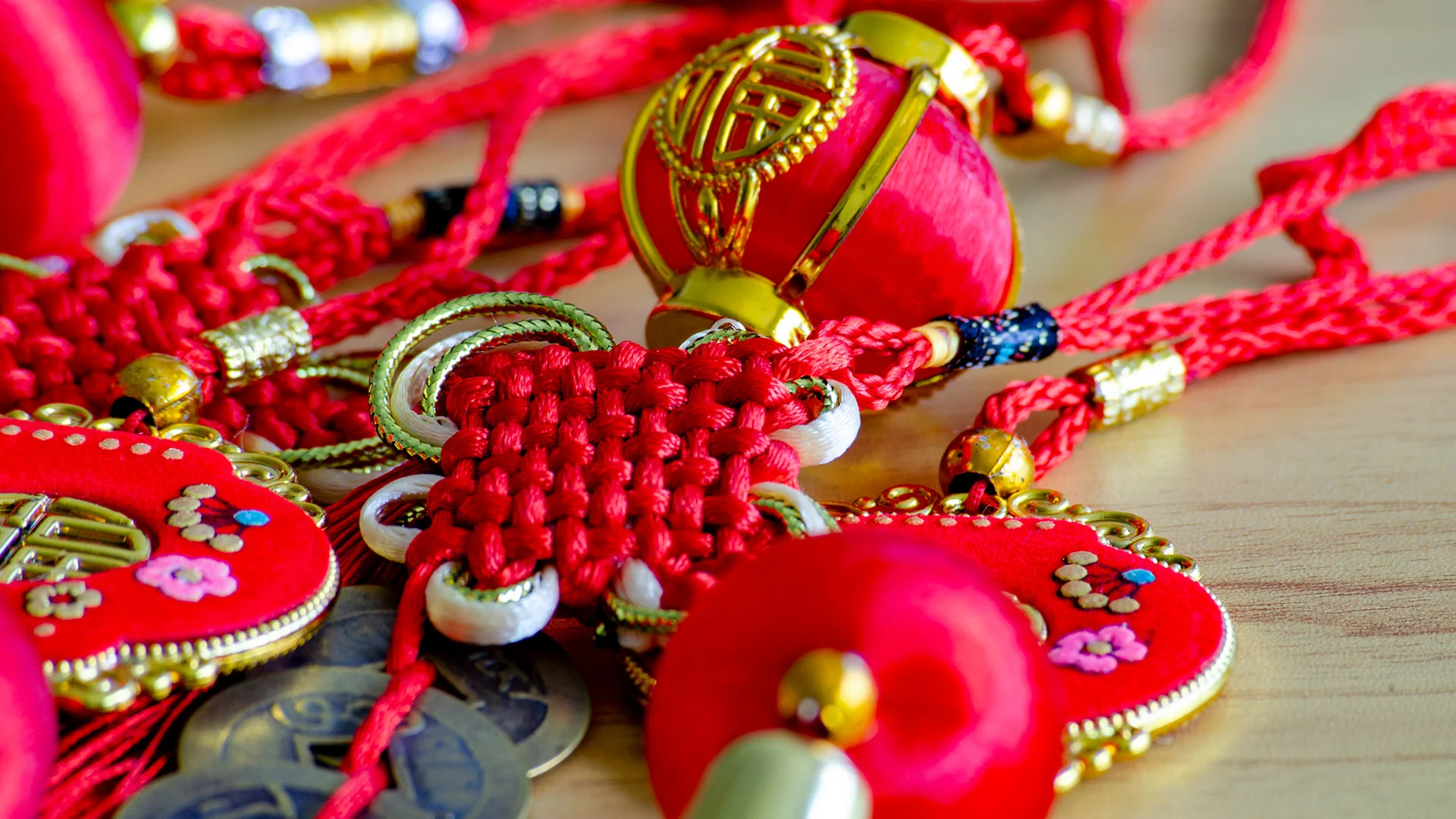
During the celebrations, red decorations are hung to ward off evil spirits and bring good fortune. The colour red is prominently featured in clothing, greetings, and envelopes containing money (known as ‘hongbao’) that are gifted to children and younger family members. The festivities culminate in the Lantern Festival, which falls on the fifteenth day of the lunar month and features lantern displays and lion dances.
Global Celebrations
Chinese New Year is not only celebrated in China but also by Chinese communities worldwide, showing the culture’s influence on a global scale. Major cities such as London, New York, and Sydney hold grand parades, showcasing traditional dance, music, and fireworks. As the year 2026 approaches, community organisations and local councils will likely begin planning events that highlight cultural heritage and foster inclusivity.
Conclusion
As we prepare for Chinese New Year 2026, it is an opportunity for cultural exchange and understanding. The Year of the Horse serves as a reminder of ambition and freedom, encouraging individuals to embrace these qualities in their lives. As communities around the world gather to celebrate, the hope is for a prosperous year ahead filled with joy, harmony, and connection.