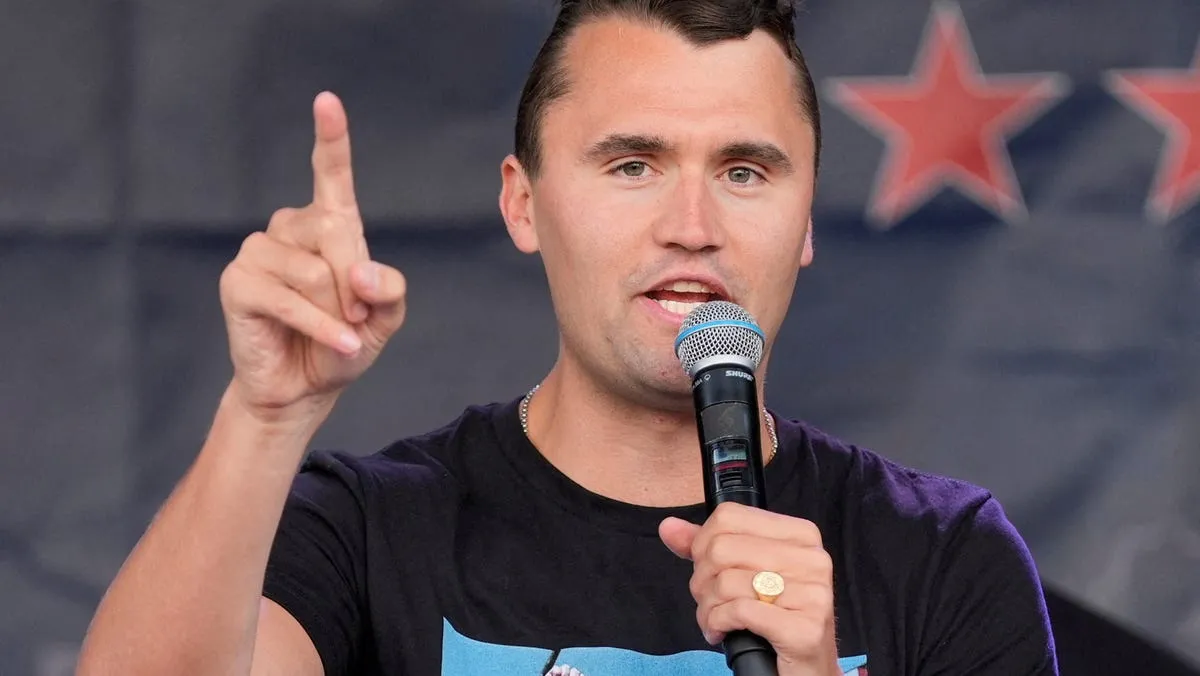
“The ATF was unable to identify the bullet recovered at autopsy to the rifle allegedly tied to Mr. Robinson,” stated defense attorneys in a recent court filing. This statement underscores the complexities surrounding the murder case of Charlie Kirk, who was tragically shot and killed on September 10, 2025, while addressing students at Utah Valley University.
Tyler Robinson, a 22-year-old charged with aggravated murder in connection with Kirk’s death, faces a challenging legal battle. The rifle allegedly used in the shooting, a Mauser 98, has raised questions, particularly since a bullet found during Kirk’s autopsy has not been conclusively linked to it. The defense team has pointed out that the analysis from the U.S. Bureau of Alcohol, Tobacco, Firearms and Explosives (ATF) could not definitively connect the bullet fragment recovered during the autopsy to the rifle found near the scene.
In a striking twist, prosecutors have asserted that DNA evidence connects Robinson to the killing, claiming they possess sufficient evidence to proceed with a trial. This assertion is critical as it contrasts with the defense’s position, which has requested a delay of at least six months for the preliminary hearing to thoroughly review the 600,000 files received, including 31 hours of audio and 700 hours of video.
Robinson’s defense team is navigating a complex landscape, having previously received 20,000 files and now facing the daunting task of analyzing a vast amount of evidence. They have indicated that they will need at least 60 days to review this material adequately.
Adding to the gravity of the situation, prosecutors revealed that Robinson had reportedly texted his romantic partner, expressing that he targeted Kirk because he “had enough of his hatred.” This revelation paints a disturbing picture of the motivations behind the shooting.
As the case unfolds, the FBI is conducting additional bullet analysis tests, further complicating the narrative surrounding the evidence. Robinson is set to return to court on April 17 for a hearing on a defense motion to ban cameras from the courtroom, a move that could impact public perception of the trial.
Details remain unconfirmed as the legal proceedings continue, but the implications of this case resonate deeply within discussions of political violence and gun control in America. The tragic loss of Charlie Kirk has ignited a national conversation about the safety of public discourse and the responsibilities that come with it.