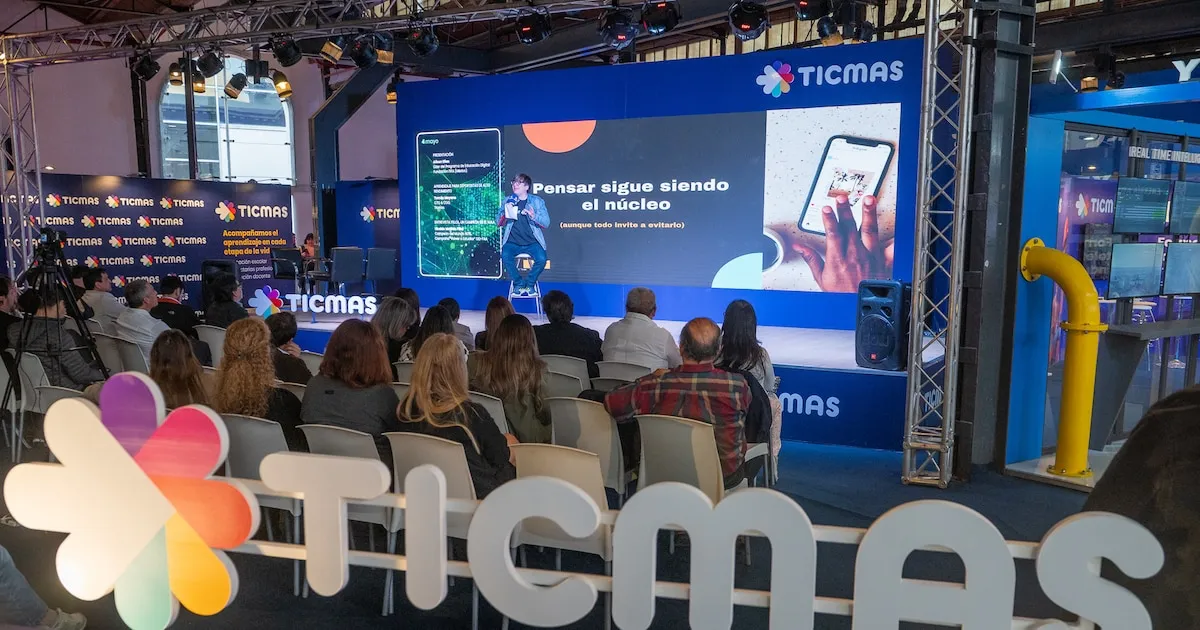
The VII Seminar on Educational Innovation, held in Buenos Aires on May 5, 2026, brought together influential educational leaders to tackle pressing issues in modern education — notably the integration of artificial intelligence. This event marks a significant moment for educators as they navigate new technological landscapes.
Prior to this seminar, many educators faced a daunting landscape characterized by traditional pedagogical methods that struggled to engage students effectively. The expectation was that technology would merely supplement existing practices rather than transform them.
However, during the seminar, it became clear that a decisive shift is occurring. With over seven years of focus on educational challenges in Latin America, leaders like María Victoria Angulo emphasized the need for a comprehensive approach. She posed a critical question: “La paradoja del aprendizaje: ¿Cómo aseguramos trayectorias educativas completas y con sentido para una generación que aprende con inteligencia artificial y, al mismo tiempo, no alcanza los aprendizajes básicos?”
Experts highlighted several direct effects of this shift on various stakeholders:
- The need for robust teacher training programs that prioritize pedagogical intent over mere technological adoption.
- A growing emphasis on critical thinking skills among students, as discussed by Tomás Balmaceda.
- Increased collaboration between public and private education sectors to foster innovative solutions, as noted by Luis Alberto Bogado.
Furthermore, discussions led by figures like Gloria Figueroa underscored that effective pedagogy must remain at the forefront when integrating technology into classrooms. She stated emphatically that “La intención pedagógica va por delante de la tecnología.” This perspective highlights an ongoing debate about how best to harness technology without losing sight of educational purpose.
As we reflect on these discussions, it’s essential to recognize that while technology can enhance learning experiences, it also poses challenges. Irma Ibarra stressed that technology must serve educational purposes — not distract from them. This sentiment resonates with many educators who fear that without careful implementation, technology could exacerbate existing disparities rather than bridge them.
Looking ahead, the VII Seminar serves as a reminder of the evolving landscape of education. With Medellín set to become the world book capital soon — an initiative discussed by Carolina Franco Giraldo — there’s potential for collaborative efforts across borders. The future of education may depend on how well stakeholders can adapt to these changes while maintaining a focus on meaningful learning outcomes.