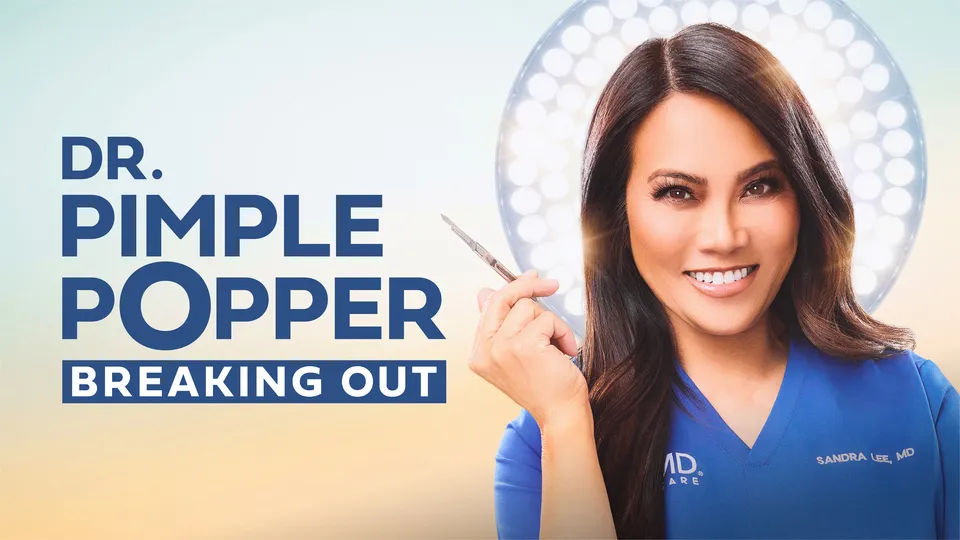
Sandra Lee, widely recognized as Dr. Pimple Popper, suffered a stroke while filming her popular show on November 20, 2025. The incident, which has drawn significant attention, was confirmed as an ischemic stroke through an MRI, underscoring the serious health risks associated with high blood pressure and cholesterol.
At just 55 years old, Lee experienced alarming symptoms including sweating, shooting pains in one leg, and difficulty speaking. “I thought, Am I having a stroke?” she recalled, a moment that would change her life. The urgency of stroke treatment is critical, with the most effective interventions occurring within three hours of symptom onset, a fact that highlights the importance of immediate medical attention.
Following the stroke, Lee underwent a rigorous two-month recovery process that included physical and occupational therapy. She has since reported feeling embarrassed about her slurred speech, stating, “I don’t like that I don’t have total control of my left hand or the grip wasn’t as strong.” This candid admission reflects the emotional and physical challenges that accompany such a significant health event.
The potential causes of Lee’s stroke have been linked to uncontrolled blood pressure and cholesterol levels, compounded by the stress of her demanding career. According to the CDC, high blood pressure is a leading cause of stroke, a statistic that resonates deeply in the context of Lee’s experience. Her current post-stroke regimen includes blood thinners and at-home physical therapy, indicating a long road ahead in her recovery journey.
Lee’s health crisis serves as a stark reminder of the fragility of life and the importance of health awareness. “It really makes you realize how precious life is,” she reflected, a sentiment that resonates with many who have faced similar health challenges. Her story not only highlights the personal impact of a stroke but also serves as a call to action for others to monitor their health proactively.
As Lee continues her recovery, observers are left to consider the broader implications of her experience. The intersection of health, stress, and lifestyle choices is a critical area of discussion, particularly for those in high-pressure professions. While Lee’s journey is ongoing, her openness about her struggles may inspire others to prioritize their health and seek help when needed.
Details remain unconfirmed regarding any long-term effects of her stroke, but Lee’s resilience and determination to overcome this setback are evident. Her story is a powerful testament to the importance of health vigilance and the need for support systems in navigating life’s unexpected challenges.