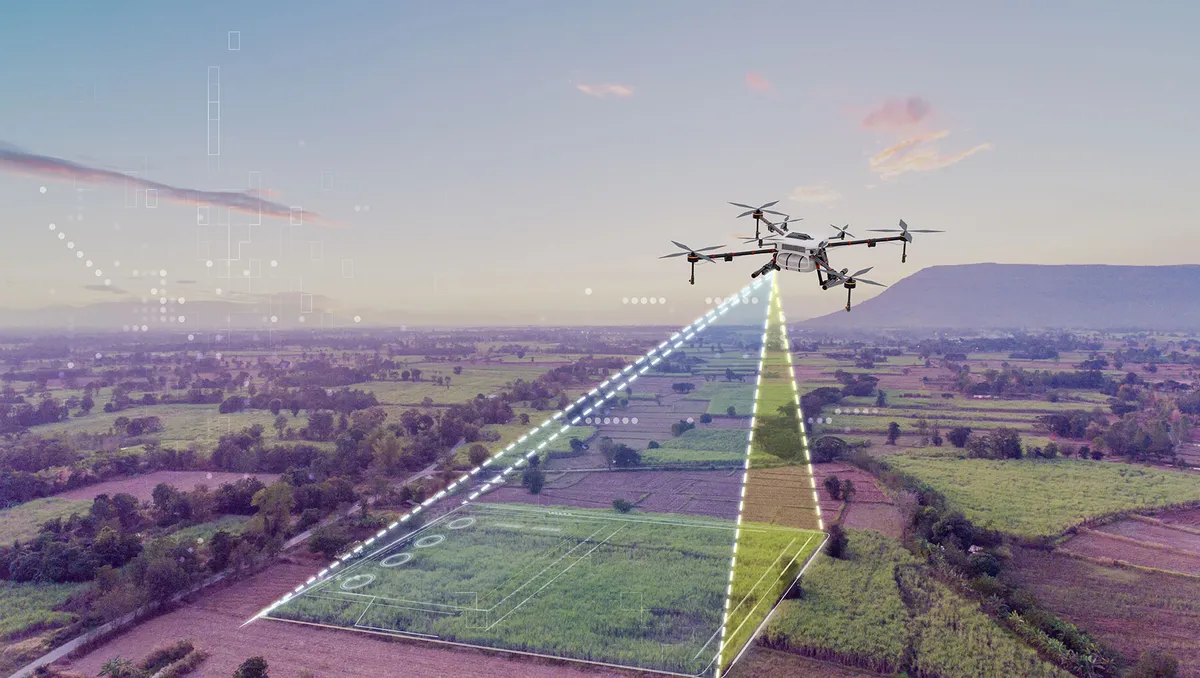
What does the future hold for military strategy in the age of drones? The Pentagon is actively pursuing advancements in drone technology, particularly through its Swarm Forge initiative, which aims to develop autonomous drone swarms capable of collaborative operations. This shift raises critical questions about the role of drones in modern warfare and the challenges that lie ahead.
The Swarm Forge initiative is a response to the U.S. military’s current limitations in deploying massed, coordinated robotic systems. As noted in the solicitation for this program, “The United States currently lacks the inventory and the doctrine to deploy massed, coordinated, low-cost robotic systems.” This acknowledgment underscores the urgency for the military to innovate and adapt to the changing landscape of warfare.
In June 2026, the Pentagon plans to conduct a demonstration event called “Crucible,” showcasing the capabilities of drone swarms. This event aims to validate and field AI-enabled collaborative systems, marking a significant step toward integrating advanced drone technology into military operations. The Pentagon’s ambition is clear: to deliver “validated swarm packages” ready for transition to operational units in 90 days or less.
While the military explores these advancements, the civilian sector is also experiencing a surge in drone usage. The FAA Part 107 test, which is essential for drone pilots, has seen changes that reflect the growing importance of drones in various fields. The test consists of 60 multiple-choice questions and has a time limit of 2 hours, with a fee of $175. In 2025, the average score on the Part 107 test was 79.31%, with a pass rate of 82.96%. However, drone pilots consistently have the lowest pass rates among FAA Airman Knowledge Tests, indicating the challenges faced by aspiring drone operators.
Since 2023, Remote ID has become mandatory for drone pilots, further emphasizing the regulatory landscape surrounding drone operations. This requirement aims to enhance safety and accountability in the skies, as drones become more prevalent in both civilian and military applications. Additionally, recurrent certification for drone pilots has been made free and available online since 2021, making it easier for operators to stay current with regulations and best practices.
The evolution of the FAA Part 107 test reflects the growing complexity of drone operations. Changes since 2021 have included the addition of night flying questions and the requirement for Remote ID, highlighting the need for pilots to be well-prepared for diverse flying conditions. As one expert noted, “It is very doable, and the right preparation makes all the difference.” This sentiment resonates with the military’s approach to drone technology, where thorough training and preparation are essential for successful implementation.
As the military and civilian sectors continue to navigate the complexities of drone technology, uncertainties remain. The absence of integrated doctrine, training, and operational concepts for large-scale robotic employment leaves the joint force at risk of strategic and tactical disadvantage. Details remain unconfirmed regarding how the military will address these gaps and fully integrate drone swarms into their operational framework.
In conclusion, the future of drones in military strategy is both promising and fraught with challenges. The Pentagon’s initiatives, such as Swarm Forge, signal a commitment to advancing drone capabilities, but the path forward will require careful consideration of training, doctrine, and operational readiness. As drones become an increasingly integral part of warfare, the implications for military strategy and national security will be profound.