Who is involved
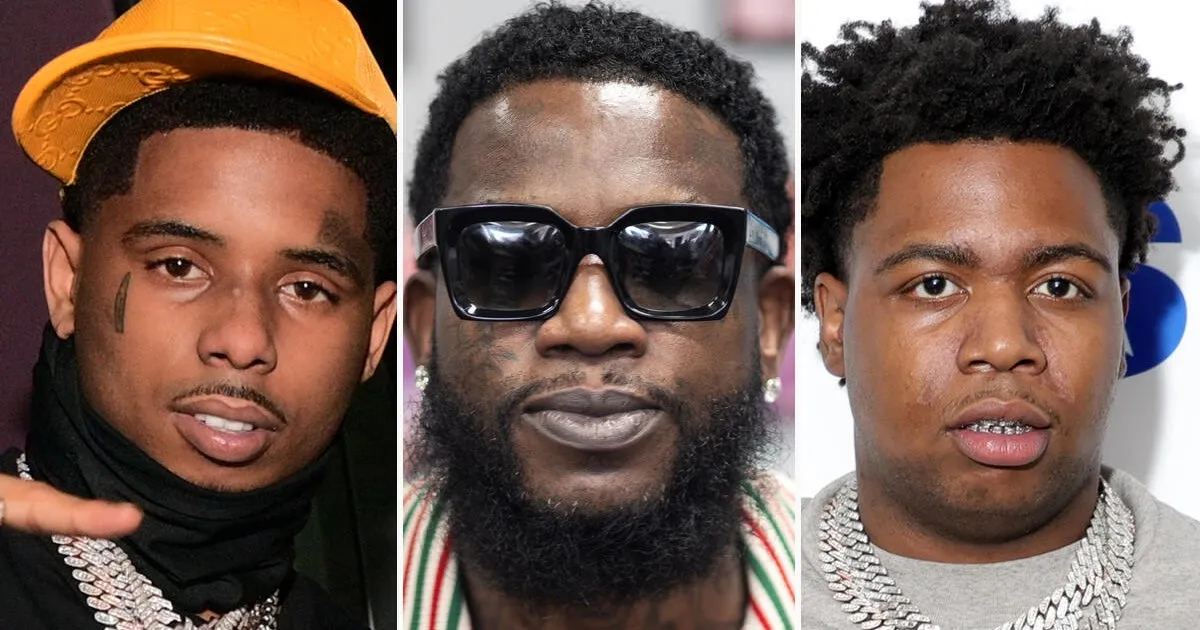
Before the shocking events of January 10, 2026, Gucci Mane, whose real name is Radric Delantic Davis, was primarily known for his contributions to the hip-hop industry and his successful record label, The New 1017. He had signed rising stars like Pooh Shiesty, real name Lontrell Williams Jr., and was seen as a mentor in the music scene. The expectation was that Gucci Mane would continue to elevate the careers of his artists while expanding his own influence in the industry.
However, this perception was abruptly shattered when news broke that Gucci Mane had been robbed at gunpoint in a Dallas music studio. Nine individuals, including Pooh Shiesty and another rapper, Big30, whose real name is Rodney Wright, were charged with the crime. The robbery not only involved the theft of valuable items such as Rolex watches and jewelry but also escalated to violence, with one victim reportedly choked nearly unconscious during the incident.
The decisive moment came when Pooh Shiesty allegedly forced Gucci Mane to sign a release from his recording contract at gunpoint. This act of intimidation marked a significant departure from the expected norms of business negotiations in the music industry, where discussions typically occur in a civil manner. U.S. Attorney for the Northern District of Texas, Ryan Raybould, emphasized this point, stating, “Instead of discussing business in a civil matter, the defendants resorted to violence and intimidation to achieve their purported business objectives.”
The immediate aftermath of the robbery saw the group fleeing the scene in multiple vehicles, including a Dodge Charger Hellcat and a rented Buick Enclave. Law enforcement quickly mobilized, and eight of the nine defendants were arrested in Dallas and Memphis. Each defendant now faces the possibility of life in prison if convicted, a stark reminder of the severe consequences that can arise from such criminal activities.
Experts in the music industry have begun to weigh in on the implications of this incident. The robbery not only highlights the personal risks that artists like Gucci Mane face but also raises questions about the culture within the hip-hop community. The fact that individuals would resort to such extreme measures to settle disputes or gain leverage in business dealings is alarming. It reflects a troubling trend where violence can overshadow artistic expression.
Moreover, the evidence against the defendants is substantial, including surveillance footage, cell data, and social media posts showcasing the stolen items. This level of documentation suggests that the legal repercussions for those involved will be significant, further complicating the lives of artists who may already be navigating a precarious industry landscape.
As the case unfolds, the broader implications for Gucci Mane and his label remain uncertain. While he has built a reputation as a successful entrepreneur in music, this incident could tarnish his image and impact his future dealings with artists. The incident serves as a cautionary tale for those within the industry, reminding them of the potential dangers that lurk behind the glitz and glamour of hip-hop.
Details remain unconfirmed regarding the full extent of the fallout from this robbery, but it is clear that the incident has marked a turning point in the narrative surrounding Gucci Mane and the artists he represents. The hip-hop community will undoubtedly be watching closely as the legal proceedings unfold, hoping for a resolution that restores some sense of safety and integrity to the industry.