The numbers
The El Niño Southern Oscillation (ENSO) is poised for a significant resurgence, with forecasters estimating a 62% chance of an El Niño event emerging between June and August 2026. This phenomenon, characterized by warmer sea surface temperatures, can have profound impacts on global weather patterns and temperatures.
El Niño is the warm phase of the ENSO cycle, which typically alternates between warm El Niño and cold La Niña phases every two to seven years. The last major El Niño occurred between May 2023 and March 2024, contributing to record-breaking heat in 2023 and 2024, with 2024 currently being the hottest year on record.
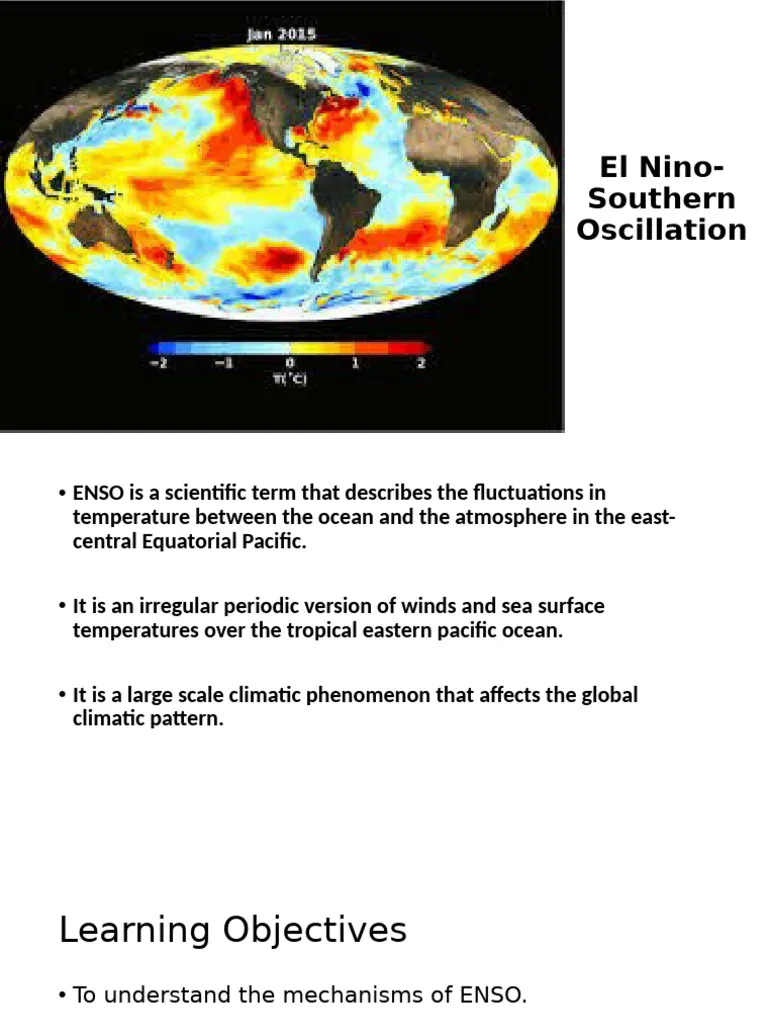
Super El Niño events, which occur when sea surface temperatures rise at least 3.6°F (2°C) above the long-term average, are particularly concerning. The last super El Niño took place during the 2015-2016 period, and such events are known to last longer than standard El Niño occurrences, sometimes extending for 12 to 18 months. Observers note that the intensity of the upcoming El Niño remains uncertain, but there is potential for a moderate to possibly strong event this fall into winter, according to Paul Pastelok.
As the ENSO cycle progresses, forecasters also estimate a 15% chance of a super El Niño developing by the end of the hurricane season in November 2026. This could lead to global temperatures in 2027 being pushed to record-breaking heights due to the effects of El Niño. Zeke Hausfather remarked, “The El Niño cometh. This would push up our estimate for 2026 global temperatures, though it’s still unlikely to surpass 2024 as the warmest year, and make 2027 very likely to be the warmest year on record given the historical lag between ENSO and surface temperature.”
El Niño events can produce temperature extremes that would have been impossible in previous decades, significantly affecting agricultural yields and extreme weather events worldwide. The timing and intensity predictions suggest that this summer could mark a significant turning point for global weather patterns. However, details remain unconfirmed, and the potential impacts on global temperatures and weather patterns are not fully predictable, as they depend on various factors, including ongoing climate change trends.
In summary, the El Niño Southern Oscillation is set to play a crucial role in shaping global climate conditions in the coming years. With the potential for both moderate and super El Niño events on the horizon, the world is bracing for significant changes in weather patterns and temperature extremes.