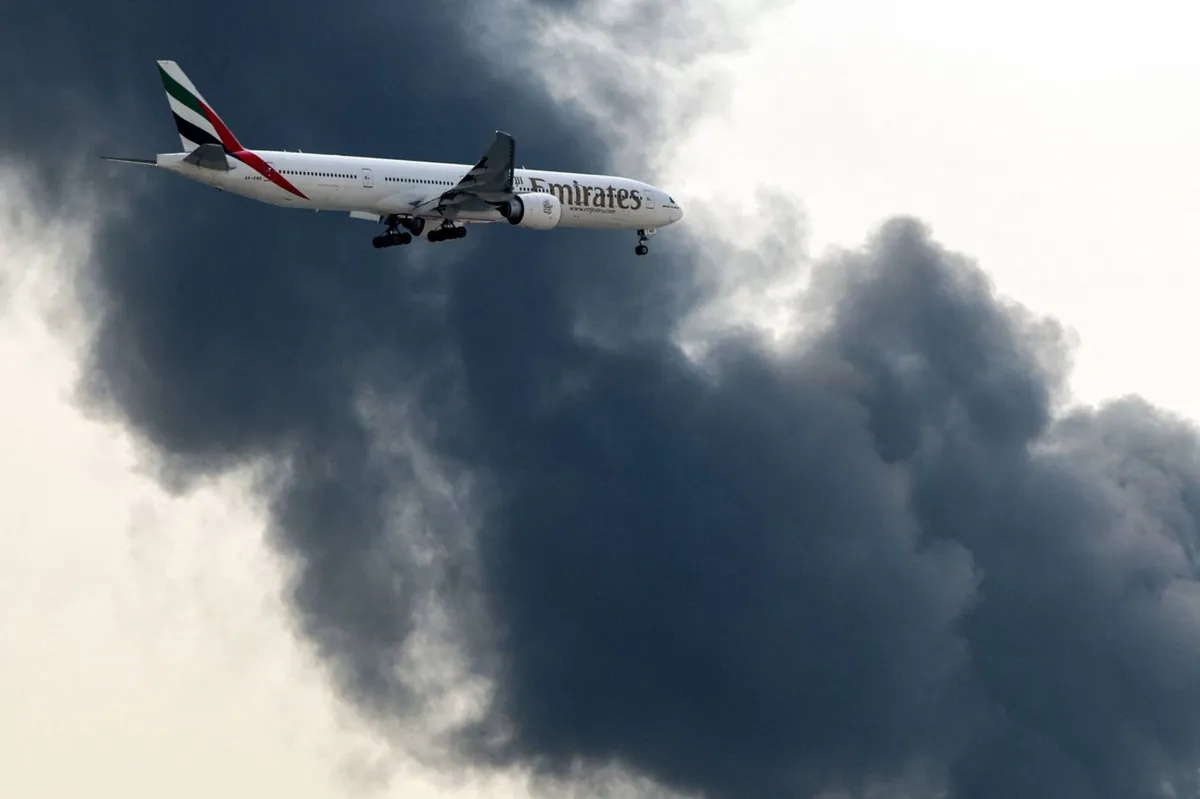
Emirates is currently operating near-empty flights to Dubai, with many travelers avoiding the Persian Gulf region due to a protracted war. This situation has led to significant declines in passenger numbers, particularly affecting flights from the U.S. and continental Europe.
Recent reports indicate that planes returning from cities like Prague or Budapest are seeing occupancy rates as low as 5% to 10%. Additionally, several aircraft returning from New York have only sold about one-fifth of their tickets, resulting in flights departing with fewer than 35 passengers on an Airbus A380, which typically seats close to 500.
Departures from Chicago have also been impacted, with flights operating at half capacity. The airline is grappling with several thousand no-shows every day on outbound flights, further complicating its operational challenges.
In response to the declining demand, Emirates is offering refunds and flexible rescheduling options for flights booked until the end of the month. This move aims to accommodate travelers who may be reconsidering their plans due to the ongoing conflict.
Emirates is facing significant challenges in restoring its network amid these adverse conditions. The airline’s efforts to adapt to the current situation reflect a broader trend in the aviation industry, as many airlines navigate the impacts of geopolitical tensions and changing travel behaviors.
As the situation evolves, the airline continues to monitor passenger trends and adjust its operations accordingly. The future of air travel in the region remains uncertain, with many factors influencing passenger decisions.
Details remain unconfirmed regarding the long-term implications of this ongoing conflict on Emirates and the broader airline industry. Stakeholders are closely watching how these developments will affect travel patterns in the coming months.