Who is involved
In recent days, North Carolina has faced a series of severe weather events that have dramatically altered the landscape of expectations for residents and officials alike. Prior to these developments, forecasts had indicated a relatively calm weather pattern for mid-March, typical for the region. However, the situation took a decisive turn on March 17, 2026, when a tornado was reported in Mecklenburg County, Charlotte, with maximum winds reaching 85 mph and an EF-0 rating.
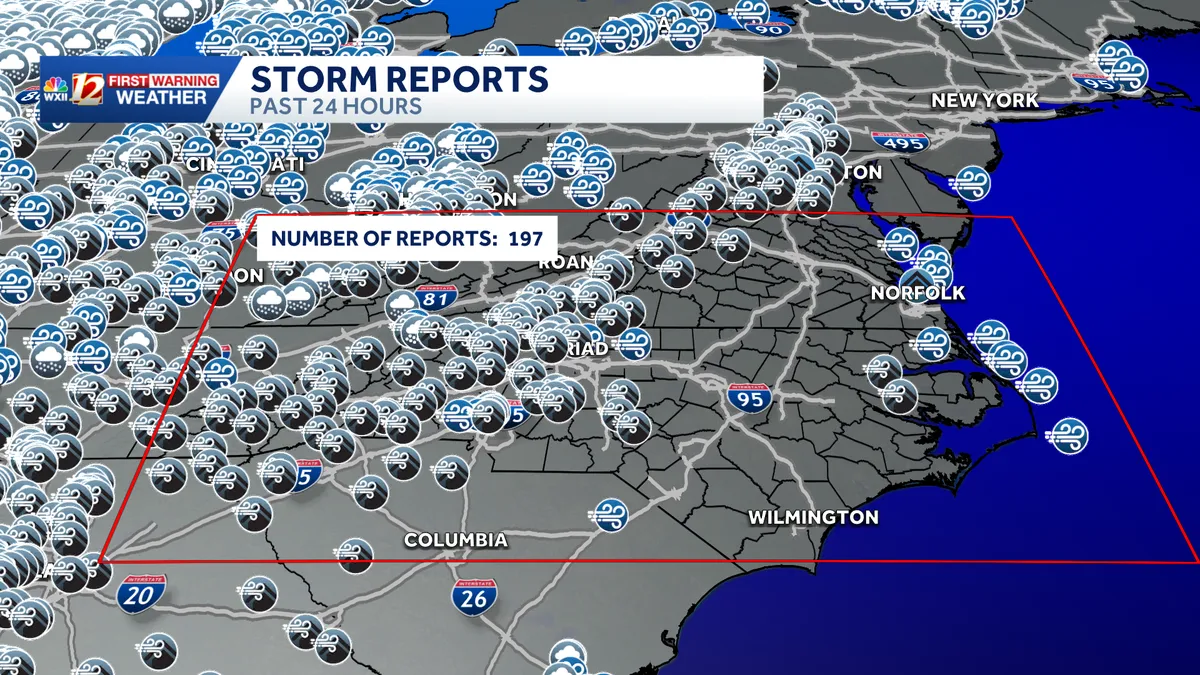
In the 24 hours leading up to this event, North Carolina recorded a staggering 68 wind reports and 1 hail report, indicating the intensity of the storms that swept through the area. The National Weather Service issued a wind advisory for counties along the North Carolina-Virginia border, which remains in effect until midnight, highlighting the ongoing threat posed by high winds. Additionally, a winter weather advisory was activated for Grayson, Ashe, and Watauga County until 2 a.m., illustrating the unusual and severe weather conditions affecting the state.
The immediate effects of these weather events have been significant. Rainfall totals indicated over three-quarters of an inch in Forsyth County and about a third of an inch in Guilford County, contributing to localized flooding concerns. Wind gusts were reported at 54 mph in Burlington and 60 mph in Greensboro, causing damage to structures and uprooting trees. Thankfully, no injuries have been reported, but there were reports of buildings sustaining damage from the high winds.
As temperatures dropped dramatically, with a 30-degree temperature change noted in the mountains compared to the previous day, residents were caught off guard. Snow showers were reported in the mountainous regions, particularly in Boone, further complicating the weather situation. Weather reporters have advised residents to prepare for cold conditions, stating, “You’ll need the big jacket in the morning to start off with the cold and windy conditions,” and warned that it would be a cold Saint Patrick’s Day.
Experts have pointed out that such severe weather patterns are becoming increasingly common in the region, raising concerns about climate change and its impact on local weather systems. The rapid shift from mild to severe conditions has left many residents feeling unsettled and unprepared. Weather Reporter comments reflect this sentiment, stating, “We’ll watch the storms this evening as that line continues off to the northeast,” indicating the ongoing nature of the threat.
As North Carolina continues to grapple with these severe weather conditions, officials are urging residents to stay informed and prepared for further developments. The combination of tornado warnings, wind advisories, and winter weather advisories creates a complex situation that requires vigilance from both residents and emergency services. The community’s resilience will be tested as they navigate the aftermath of these storms.
In summary, the recent severe weather events in North Carolina have shifted expectations dramatically, transforming a calm mid-March into a period of uncertainty and concern. As the situation evolves, it remains crucial for residents to heed warnings and stay updated on weather developments. Details remain unconfirmed regarding the full extent of the damage, but the impact of these storms will likely be felt for some time to come.