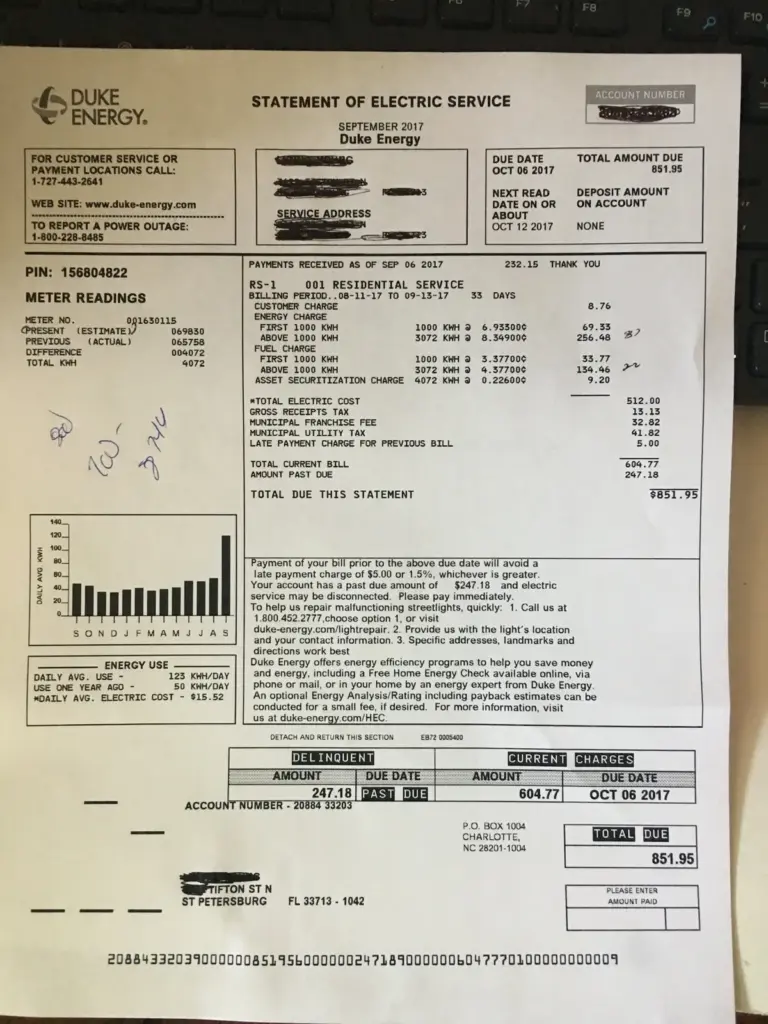
House Republicans are attempting to restore renewable energy tax credits that were curtailed by previous legislation, amidst rising concerns over energy affordability. The American Energy Dominance Act seeks to reverse these changes, which have left one in three American households struggling to pay their energy bills.
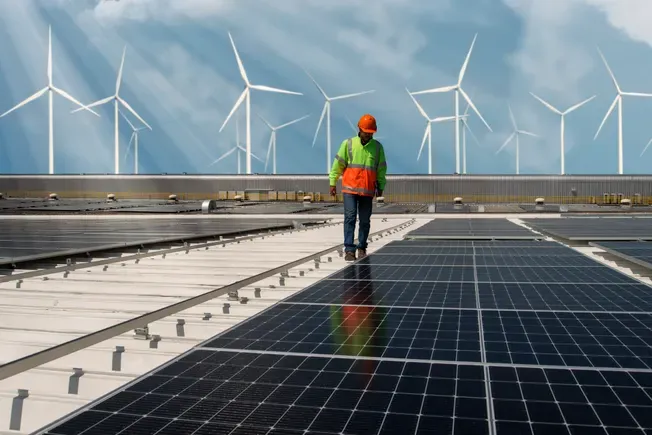
The proposed legislation would reinstate the 179D Energy Efficient Commercial Buildings Deduction credit without a scheduled expiration. This move comes after E2 estimated that $34.8 billion in clean energy investments were canceled in 2025 due to the previous cuts. As electricity pricing continues to rise, the urgency of this initiative cannot be overstated.
In Wisconsin, the Residential Energy Sales Tax Exemption is set to take effect on October 1, 2025, eliminating sales tax on energy and utility bills for primary residences. The Department of Revenue projects that this exemption will save Wisconsin households more than $178 million over two years. However, it’s important to note that this new tax exemption does not apply to business properties or rental units.
The historical context reveals a pattern of accelerated deadlines imposed by the One Big Beautiful Bill Act, which has caused significant disruption in clean energy investments. As Brian Fitzpatrick’s office pointed out, “Under current law, key incentives such as 179D and 45L are scheduled to expire on June 30, 2026.” This looming deadline raises concerns about project delays and scaling back—critical factors for capital-intensive sectors.
Yet, not everyone agrees on the severity of the problem. Brendan Conway from We Energies stated, “We do not think at all this is a widespread problem.” This perspective indicates a divide in how stakeholders view the impact of rising energy costs and the need for renewed incentives.
Key statistics:
- 34.8 billion dollars in clean energy investments canceled in 2025
- 178 million dollars projected savings for Wisconsin households over two years
- 11.51 dollars charged for the 5% WI Sales Tax
- 2.07 dollars charged for the 0.9% Milwaukee County sales tax
The legislation was developed in partnership with North America’s Building Trades Unions, highlighting a collaborative effort towards enhancing energy efficiency and promoting clean energy investments. As discussions continue around these tax credits and their implications for electricity pricing and overall energy affordability, stakeholders await further developments.