Introduction
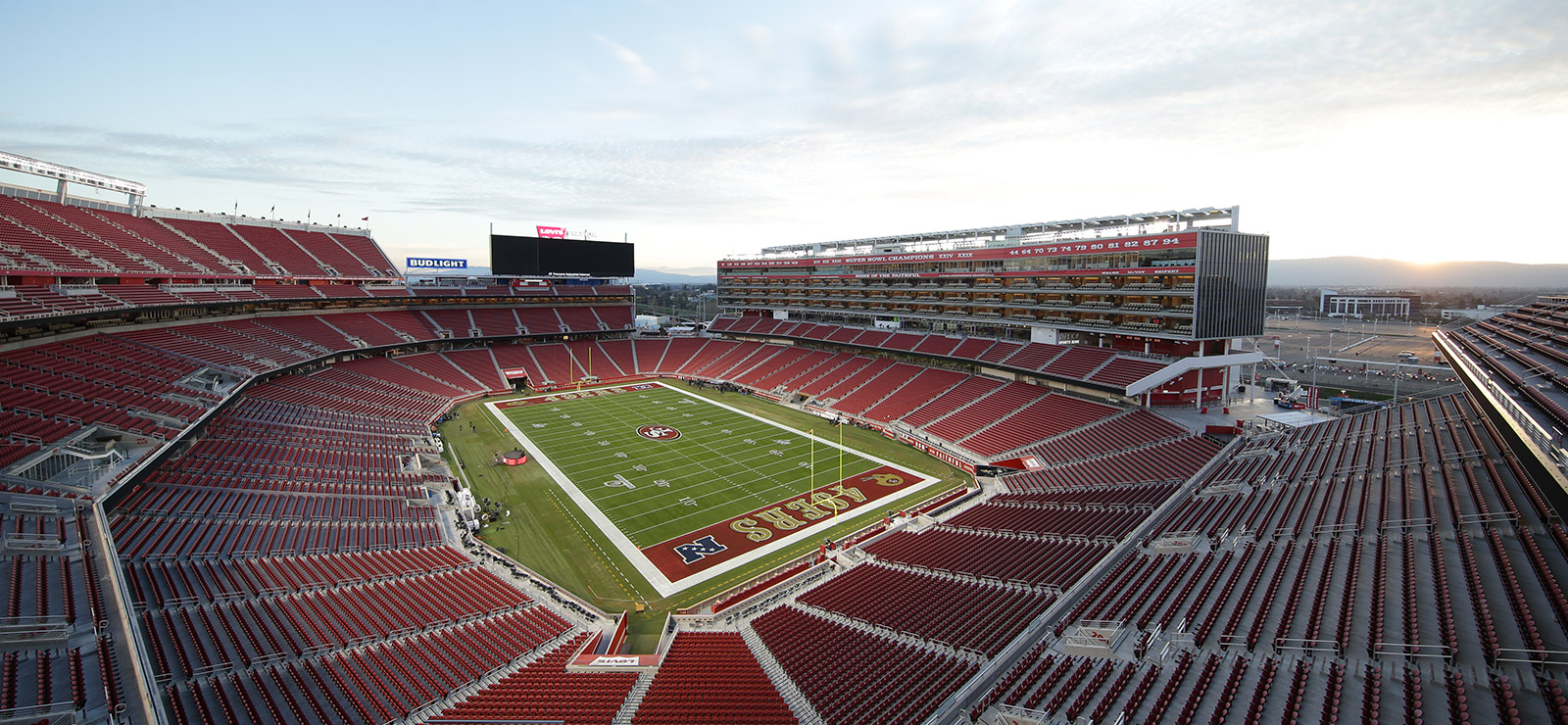
Levi’s Stadium, located in Santa Clara, California, serves as the home of the San Francisco 49ers and is a prime example of modern stadium design and sustainability. Opened in 2014, it has quickly gained prominence not only as a venue for NFL games but also for hosting concerts, soccer matches, and even the Super Bowl. As sports venues evolve to meet the demands of fans and the environment, Levi’s Stadium stands out as a model for future developments.
Significant Events
Since its inception, Levi’s Stadium has hosted a variety of high-profile events. Notably, the stadium was the site of Super Bowl 50 in 2016, which drew in over 70,000 fans for the showdown between the Denver Broncos and the Carolina Panthers. The event highlighted the stadium’s capacity to hold large crowds while offering innovative amenities such as an advanced sound system and extensive video displays. Beyond football, it has hosted international soccer matches featuring clubs like Real Madrid and Manchester United, as well as concerts by artists like Taylor Swift and Beyoncé, showcasing its versatility as a multi-purpose venue.
Sustainability Efforts
Levi’s Stadium is also notable for its sustainability initiatives. It was the first NFL stadium to receive LEED (Leadership in Energy and Environmental Design) certification, demonstrating its commitment to environmentally responsible operations. Features include a green roof, solar panels capable of generating 1.1 megawatts of power, and a water recycling system that reduces consumption by more than 30%. These efforts not only minimize the ecological footprint of the stadium but also set a precedent for future constructions in sports.
Recent Developments
As of 2023, the stadium continues to evolve with recent renovations aimed at enhancing the fan experience. A new state-of-the-art video board is set to be installed by the beginning of the upcoming NFL season, ensuring an even more immersive viewing experience for fans attending games. Furthermore, the 49ers have announced plans to host additional community events at the stadium, reinforcing its role as a hub for both sports and local engagement.
Conclusion
Levi’s Stadium represents a landmark in both sports entertainment and sustainability, redefining how modern stadiums can cater to diverse audiences while also being environmentally responsible. As it continues to adapt and grow, it remains a key player in the landscape of American sports venues, influencing future designs aiming for both efficiency and fan engagement. The future looks bright for Levi’s Stadium, as it not only entertains but also inspires other facilities to adopt similar practices.