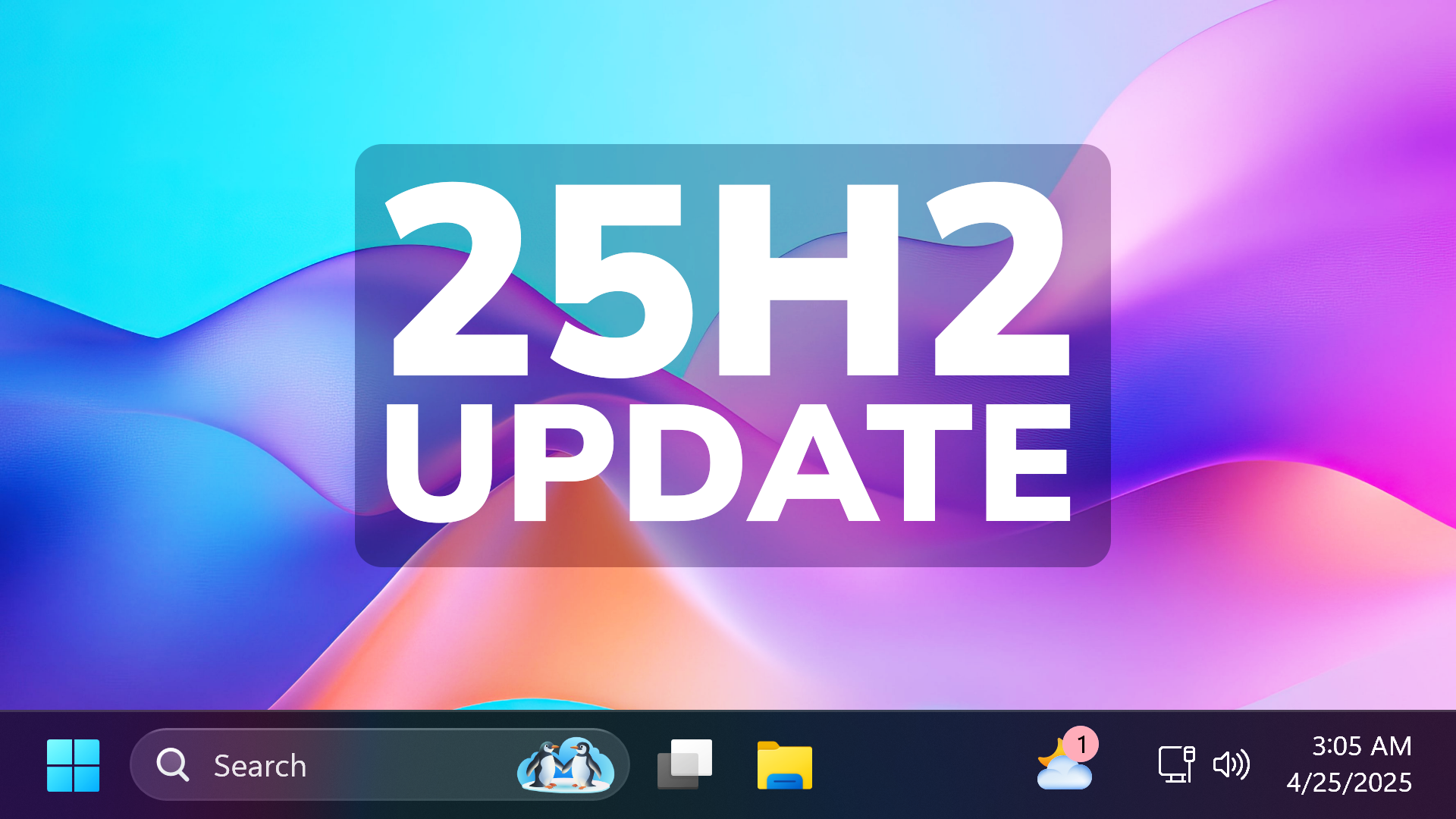
Introduction to Microsoft Windows 11
In recent months, Microsoft Windows 11 has made headlines as the tech giant continues to innovate and enhance its operating system. Released on October 5, 2021, Windows 11 is designed to provide a more streamlined and user-friendly experience. With new features prioritising productivity, collaboration, and gaming, Windows 11 holds great relevance for users and businesses aiming to stay at the forefront of technology.
Key Features of Windows 11
Windows 11 introduces several cutting-edge features:
- Redesigned User Interface: A fresh taskbar and start menu offer a more centralised experience, emphasising simplicity and ease of access.
- Improved Performance: Optimised for faster loading times and increased battery life, Windows 11 significantly enhances overall system performance.
- Integration with Microsoft Teams: With built-in Teams integration, users can seamlessly connect with others for personal or professional purposes, making remote work more efficient.
- Enhanced Gaming Features: Windows 11 supports DirectStorage and Auto HDR features, greatly improving gaming experiences by reducing load times and enhancing visuals.
- Widgets: Personalised news, weather, calendar, and other widgets can be accessed with a swipe, providing quick access to information.
Recent Updates and Developments
Microsoft has continued enhancing Windows 11 with regular updates. For instance, the latest update includes a revamped Microsoft Store with improved app discovery and integration for Android apps, a major addition for users seeking more versatility. Furthermore, security updates emphasise the importance of safeguarding data against increasing cybersecurity threats.
The Significance of Upgrading to Windows 11
As organisations and individuals consider upgrades, understanding the potential benefits is crucial. Windows 11 not only boosts productivity and efficiency but also ensures compatibility with the latest software and security standards. Businesses leveraging Windows 11 are likely to experience enhanced collaboration, streamlined operations, and improved compliance with data protection regulations.
Conclusion
In conclusion, Microsoft Windows 11 represents a significant technological leap, offering a range of new features focused on enhancing user experience, productivity, and security. For those currently using Windows 10, the transition to Windows 11 is not just an update; it’s an opportunity to capitalise on modern innovations. As more users and businesses adopt this new operating system, the impact on workflows, communication, and digital engagement is expected to be profound, shaping how we interact with technology in the coming years.