Introduction
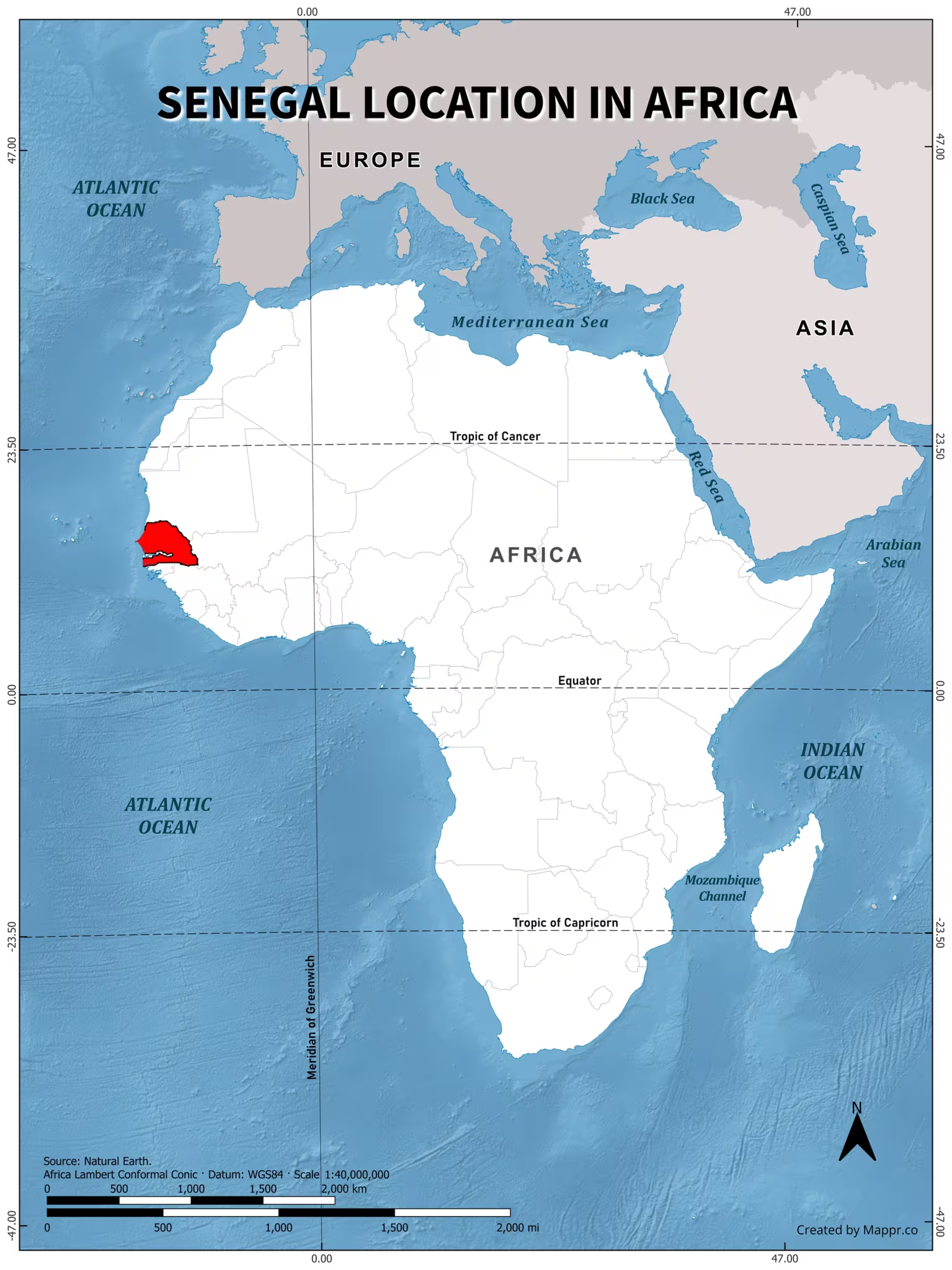
Senegal, a vibrant West African nation, is currently in the spotlight due to significant political, economic, and social developments. The country is known for its rich culture, democratic governance, and key position in regional affairs. As it navigates various challenges and opportunities, understanding the current events in Senegal has become increasingly relevant for observers and stakeholders alike.
Political Landscape
In recent months, Senegal has faced political turbulence marked by protests and civil unrest. In June 2023, the arrest of prominent opposition leader Ousmane Sonko, a former mayor and presidential candidate, ignited mass demonstrations across major cities. Supporters accuse the government of trying to silence opposition voices, leading to clashes with law enforcement and leaving several injured. The situation has sharply divided opinions within the country, raising concerns over democratic practices and citizens’ rights.
In response to the unrest, President Macky Sall addressed the nation, urging for calm and dialogue. Nevertheless, calls for his resignation have escalated, with many citizens demanding comprehensive political reforms to ensure fair electoral processes and enhanced governmental accountability.
Economic Updates
On the economic front, Senegal continues to experience growth, with recent reports indicating a GDP growth rate of around 6% in 2023, driven by investments in infrastructure and natural resource sectors, such as oil and gas. The government’s ambitious project to develop the country’s offshore oil fields, recognised as some of the most promising in Africa, is expected to draw significant foreign investment in the coming years.
Despite these promising prospects, food security remains a pressing concern for many Senegalese. Rising global food prices and local inflation have prompted the government to implement new strategies aimed at bolstering agricultural production and mitigating the risks posed by climate change, which disproportionately affect the rural population.
Societal Challenges
Furthermore, Senegal faces challenges linked to youth unemployment and education, with over 60% of the population under 25 years. The government and various NGOs are intensifying efforts to improve educational access and vocational training to equip young people with the necessary skills for the job market. Recent initiatives have included partnerships with international organisations to enhance educational infrastructure and technology accessibility.
Conclusion
The current situation in Senegal reflects a nation at a crossroads, balancing between modernisation and a desire for stable governance. While the recent political unrest presents challenges, the ongoing economic opportunities coupled with a youthful population offer hopeful prospects for the future. For readers keen to understand Senegal’s trajectory, staying informed about these developments is crucial, as they could significantly influence the region’s stability and growth.