Introduction
Armenia, a landlocked country located in the South Caucasus region of Eurasia, has a rich cultural and historical legacy that dates back thousands of years. Recognised for its stunning landscapes, vibrant traditions, and ancient heritage, Armenia holds significant importance in both regional and global contexts. Its geopolitical position, along with its complex history, particularly in relation to its neighbours, makes Armenia a fascinating subject of study and discussion.
Historical Background
Armenia is often cited as one of the oldest countries in the world, with evidence of human habitation dating back to the Stone Age. It was the first nation to adopt Christianity as its state religion in AD 301, a pivotal moment in its history that laid the foundation for its deep-rooted Christian culture, evident in its many ancient churches and monasteries. The Kingdom of Armenia reached its zenith during the reign of Tigranes the Great in the first century BC, expanding its borders significantly.
Recent Developments
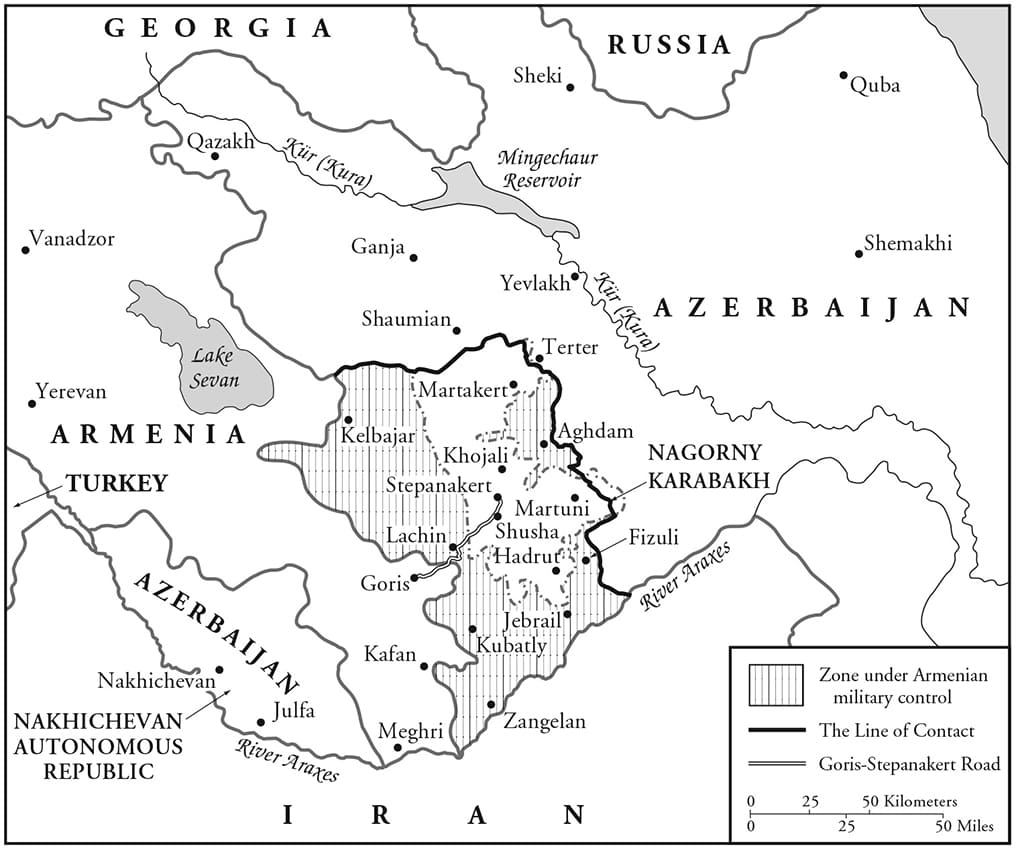
In contemporary times, Armenia has faced numerous challenges, particularly involving its relationship with Azerbaijan over the Nagorno-Karabakh region, a conflict that reignited in 2020. Peace negotiations continue to evolve, and Armenia’s role is critical as it navigates between regional powers. Recently, Armenia has shown a willingness to strengthen ties with Western nations while balancing its historical alliance with Russia. This pivot could reshape the geopolitical landscape of the South Caucasus.
Cultural Significance
Armenia is celebrated for its rich cultural contributions, including music, dance, and literature. The Armenian Genocide, which occurred during World War I, is a significant part of its national identity. Commemoration efforts and diaspora engagement are vital to the Armenian community around the world, demonstrating resilience and the preservation of heritage. The country is also home to UNESCO World Heritage Sites, showcasing its ancient architectural marvels.
Conclusion
In summary, Armenia’s historical and cultural significance cannot be overstated. As it navigates through modern geopolitics, the resilience and heritage of the Armenian people continues to be a focal point of their national identity. The ongoing developments in its relationships with international powers, especially regarding security and economic interactions, will be vital to watch. For those interested in history, culture or global relations, Armenia’s trajectory offers valuable insights into the complexities of a post-Soviet state in an ever-evolving region.