Introduction
Aspirin, a commonly used pain reliever, has been part of medicine for over a century. Its relevance has only grown over time as research has unveiled its multifaceted benefits, notably in cardiovascular health. In recent years, doctors and researchers have been exploring aspirin’s role not only in alleviating pain but also in its potential preventive measures against serious health conditions, including heart attacks and cancer. Understanding aspirin’s effects is crucial for both healthcare professionals and patients alike.
The Multifaceted Uses of Aspirin
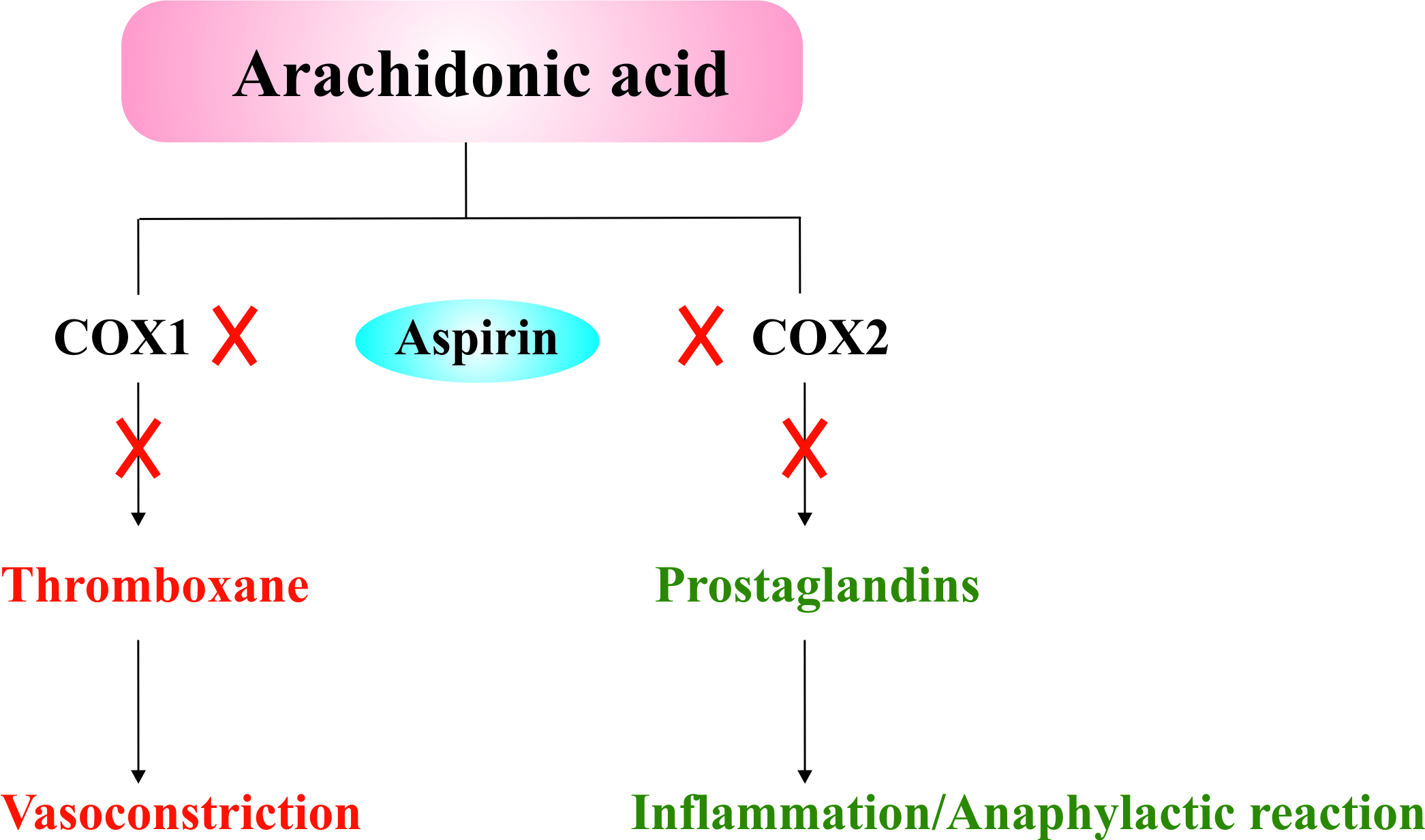
Aspirin, or acetylsalicylic acid, is widely known for its ability to relieve mild to moderate pain and reduce fever. However, its use extends beyond these basic applications. Medical professionals frequently prescribe low-dose aspirin to patients at risk of heart disease. According to the American Heart Association, aspirin can significantly reduce the risk of heart attack by inhibiting platelets from clumping together, which is a leading cause of cardiological incidents.
Moreover, recent studies have suggested that aspirin may play a role in cancer prevention, particularly in colorectal cancer. A report published in the New England Journal of Medicine indicated that regular low-dose aspirin usage could lower the risk of developing certain types of cancer, promoting interest in further research in this area.
Recent Developments and Research
In the realm of ongoing research, scientists are exploring the optimal dosages of aspirin for various health benefits. A recent clinical trial highlighted the importance of tailoring dosage according to individual health profiles. Results demonstrated that while low-dose aspirin is beneficial for heart health, its effectiveness in cancer prevention may depend on patient age, genetic factors, and specific health conditions.
Additionally, the COVID-19 pandemic prompted researchers to investigate aspirin’s potential role in treating the disease. Early studies suggested that aspirin may help reduce the risk of severe complications in COVID-19 patients by preventing clot formation, reigniting interest in its therapeutic potential.
Conclusion
The significance of aspirin in contemporary medicine cannot be overstated. With its long history and expanding array of health benefits, aspirin remains a cornerstone in both preventative and therapeutic care. Continued research into its varying applications is expected to unveil even more uses and benefits, allowing for better patient outcomes. For readers, understanding the implications of aspirin can enhance informed decision-making regarding its use, particularly when discussing treatment options with healthcare providers. As the landscape of medicine evolves, so too will the understanding of this remarkable drug.