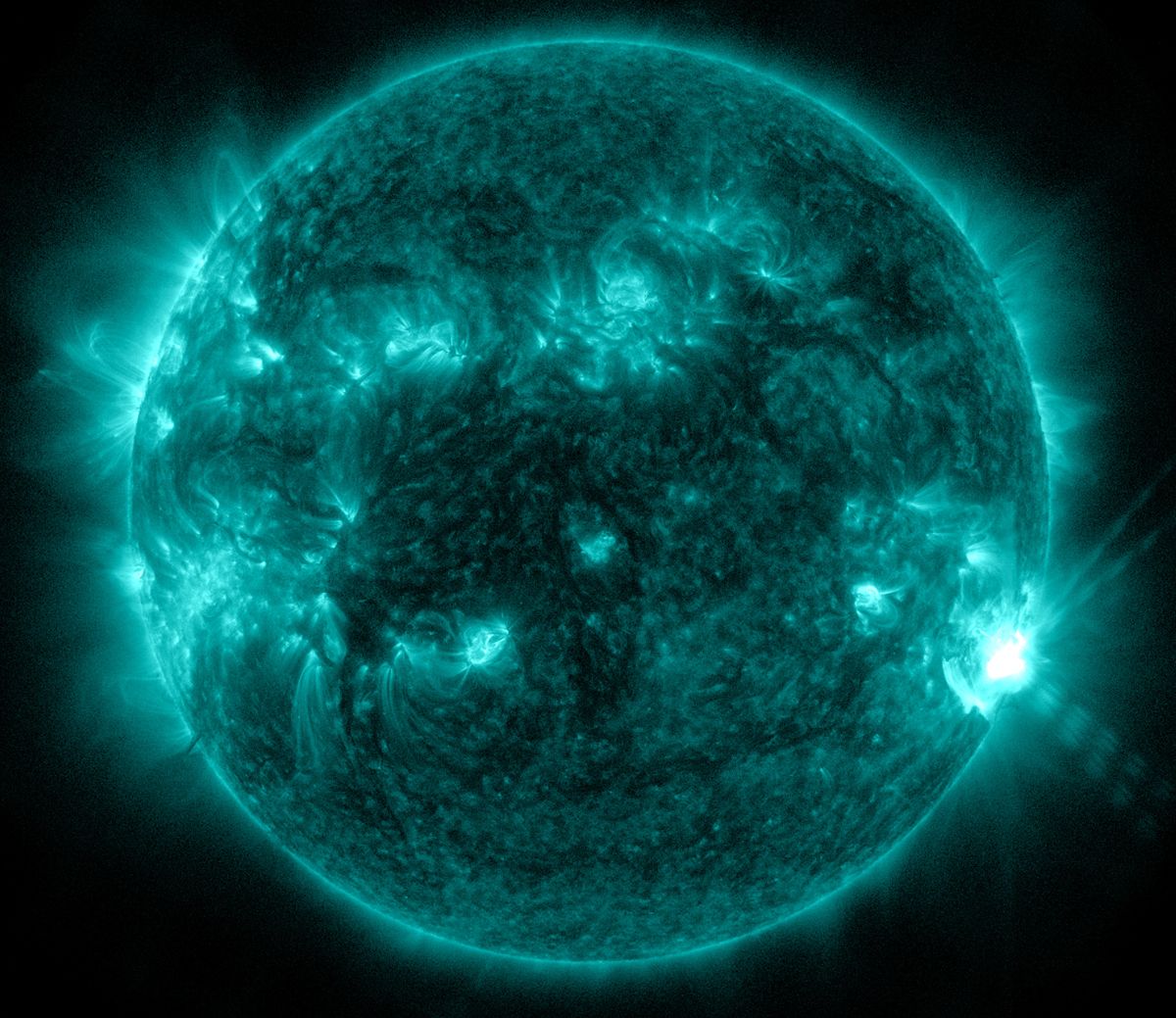
The Importance of Sun Solar Flares
Solar flares are massive bursts of radiation from the sun’s surface that can have profound implications for both space weather and terrestrial technology. They occur when the magnetic energy that has built up in the solar atmosphere is suddenly released. Understanding these events is crucial, as they can disrupt communications, navigation systems, and even power grids on Earth, making it a significant area of study for scientists and researchers.
Recent Solar Activity
In the past few months, solar activity has intensified, leading to an increase in the frequency and magnitude of solar flares. The National Oceanic and Atmospheric Administration (NOAA) reported a series of strong flares, including an X-class flare on 22 September 2023, which is one of the strongest classes, capable of causing widespread radio blackouts. Such events underscore the sun’s dynamic nature and the importance of monitoring solar activity closely.
Impact on Earth
The effects of solar flares are not merely theoretical. The recent X-class flare produced heightened auroral activity, leading to stunning displays of the northern lights across regions that rarely experience such phenomena, including parts of the northern United States and Europe. However, the potential negative impacts are also significant; these solar flares can interfere with satellite communications and GPS technology, leading to possible disruptions in daily life and aviation operations. Power grids can also experience fluctuations in electrical currents, which might prompt precautionary measures to protect infrastructure.
Looking Forward
As solar activity is expected to continue to increase over the upcoming solar cycle, scientists emphasize the importance of preparedness and public awareness regarding solar flares. With advancements in monitoring technology, agencies like NASA and NOAA are better equipped to predict solar events, enabling timely alerts for at-risk technologies. The increasing reliance on satellites and digital systems heightens the need for thorough understanding and preparation for potential impacts.
Conclusion
In summary, solar flares represent an important phenomenon that can have both awe-inspiring and disruptive effects on Earth. With recent activity serving as a reminder of the sun’s power, ongoing research and monitoring will be essential to mitigate risks and harness scientific knowledge for society’s benefit. Individuals and industries reliant on technology should stay informed about solar weather forecasts to remain prepared for potential disruptions caused by future solar flares.