Introduction
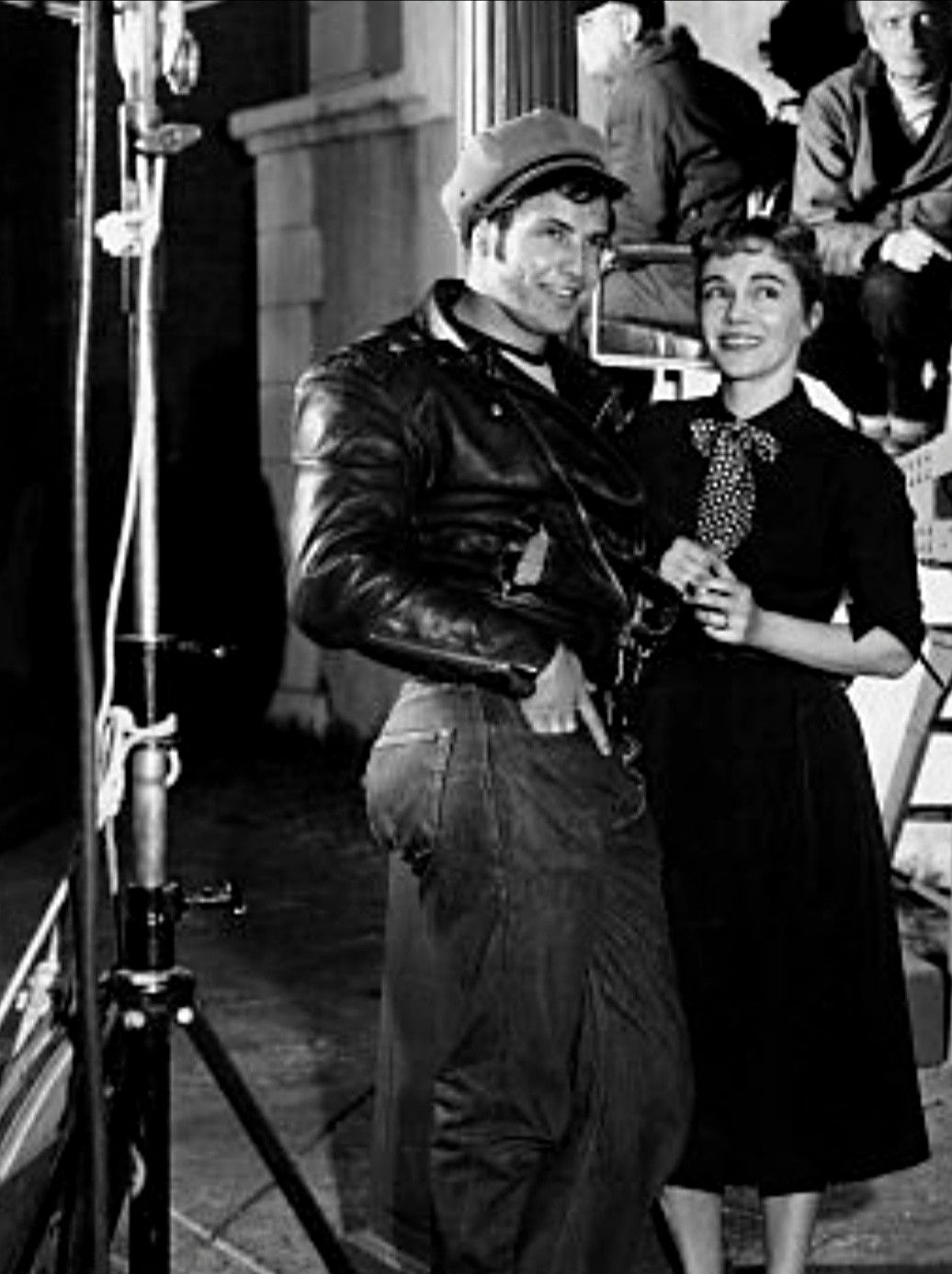
Marlon Brando, often hailed as one of the most influential actors of the 20th century, has left an indelible mark on the world of cinema. His revolutionary acting style and diverse roles continue to inspire generations of actors and filmmakers, making his life and career a subject of fascination.
Major Achievements
Born on April 3, 1924, in Omaha, Nebraska, Brando’s journey to stardom began in the 1950s with a series of acclaimed performances in plays such as ‘A Streetcar Named Desire,’ which showcased his raw emotionality and powerful presence. His film debut came with ‘The Men’ (1950), but it was his role as Terry Malloy in ‘On the Waterfront’ (1954) that garnered him the first of his two Academy Awards for Best Actor.
Brando’s portrayal of Vito Corleone in ‘The Godfather’ (1972) remains one of the most iconic performances in film history and earned him his second Oscar. His ability to immerse himself in his characters, coupled with his rejection of traditional acting techniques, earned him a reputation as the father of method acting. This approach has influenced countless actors, including Robert De Niro and Leonardo DiCaprio, reinforcing Brando’s significance in the field.
Impact on Society and Cinema
Beyond his cinematic contributions, Brando was an outspoken advocate for social change. He used his platform to address issues such as civil rights and Native American rights. In 1973, he noticeably boycotted the Academy Awards, sending a Native American activist, Sacheen Littlefeather, to decline his Oscar for ‘The Godfather’ in protest against Hollywood’s portrayal of Native Americans.
Brando’s complex persona, both on and off the screen, has spurred discussions surrounding celebrity culture, mental health, and the responsibilities of public figures. His turbulent personal life, marked by struggles with weight, relationships, and later years of reclusiveness, suggests a man who grappled with the dualities of fame.
Conclusion
Marlon Brando’s legacy is a tapestry woven from his groundbreaking performances, personal struggles, and social activism. He remains a compelling figure as discussions about the representation in cinema continue to evolve. His impact on the film industry and societal norms reminds us that art can drive change and provoke thought, ensuring Brando’s place in the annals of history for generations to come.