Introduction
The magnetic north pole is a critical element of Earth’s geomagnetism, affecting navigation for both animals and humans. As technology continues to evolve, understanding the dynamics of the magnetic north pole is essential for navigation, climate research, and understanding our planet’s geology.
What is the Magnetic North Pole?
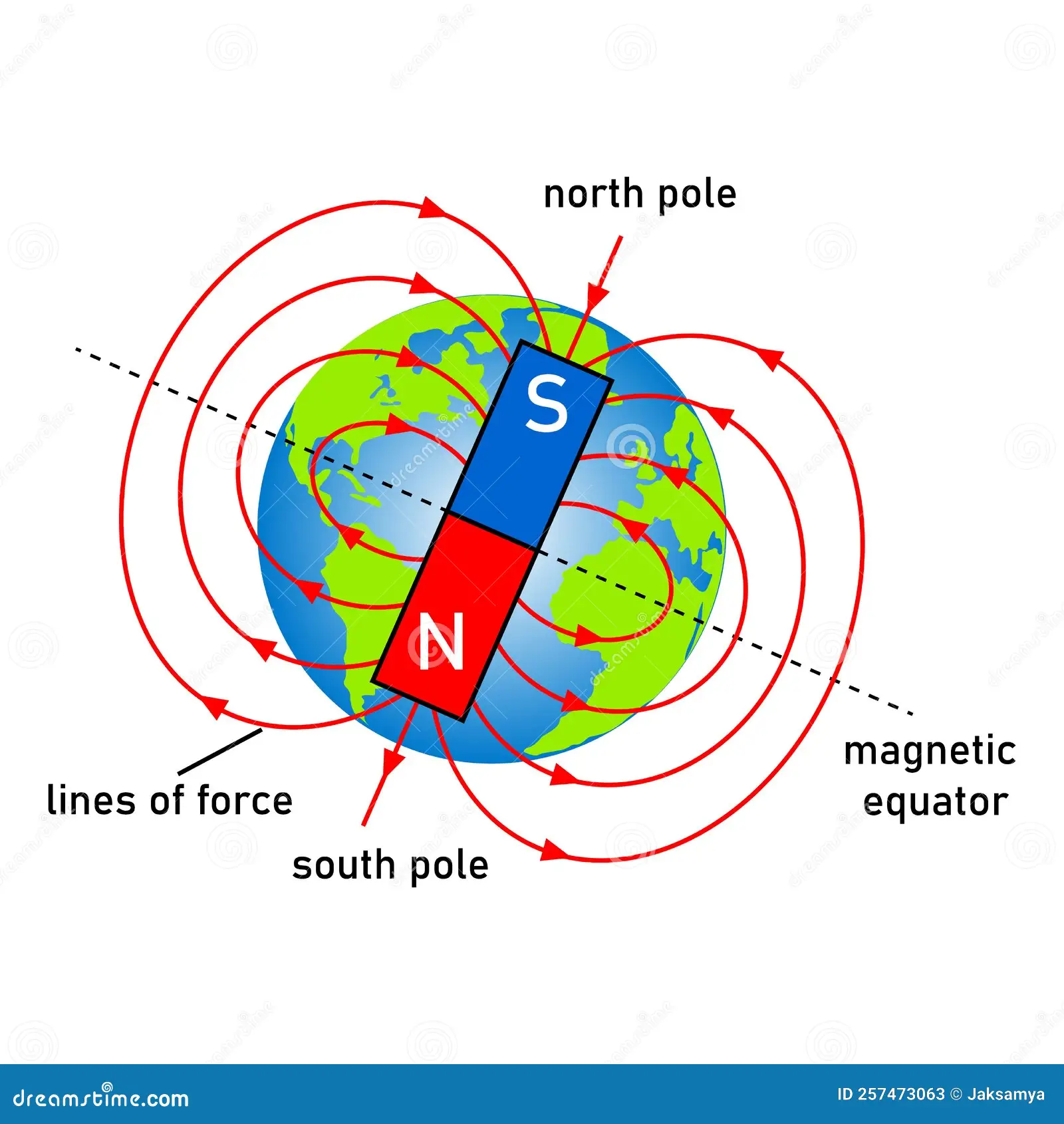
The magnetic north pole is defined as the point on the Earth’s surface where its magnetic field points vertically downwards. Unlike the geographic north pole, which is fixed, the magnetic north pole moves due to fluctuations in the Earth’s molten outer core, where the magnetic field is generated. This movement can be several miles each year, and recent studies indicate that the pole is shifting at an accelerated pace.
Recent Findings and Current Position
According to the latest research, the magnetic north pole has been drifting from the Canadian Arctic towards Russia at about 40 miles per year. Data from the National Centers for Environmental Information (NCEI) and other geological institutions reveal that the pole’s position had been primarily in the Canadian territory of Nunavut but is now rapidly approaching Siberia. This shift could impact compass readings and navigational systems worldwide.
Implications of the Magnetic Shift
The movement of the magnetic north pole poses significant challenges for navigation, particularly for aviation and maritime industries. As the pole shifts, updates to navigational charts and systems are required to maintain accuracy. Additionally, researchers studying animal migration patterns, which often rely on the Earth’s magnetic fields, need to consider the consequences of these changes on wildlife.
Broader Significance
Beyond navigation, the magnetic north pole’s movement has implications for climate science as the Earth’s magnetic field protects the planet from solar radiation. Understanding this relationship is vital for climate models and predicting environmental conditions. Moreover, shifts in the magnetic field may also correlate with geological events, which researchers continue to study.
Conclusion
The magnetic north pole is more than a navigational point; it plays a significant role in understanding Earth’s dynamics and its broader environment. As it continues to move, it opens new avenues for research and highlights the importance of monitoring geological and environmental changes. For those relying on the Earth’s magnetic properties for navigation and orientation, staying informed about the magnetic north pole’s changes is essential.