Introduction to the Tallest Building in the World
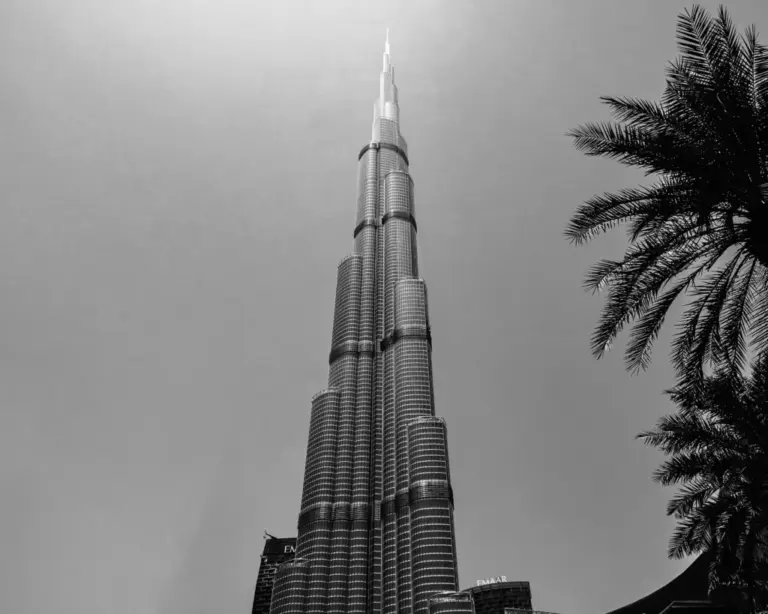
The title of the tallest building in the world has been held by the Burj Khalifa in Dubai, United Arab Emirates, since its completion in 2010. Standing at a staggering height of 828 metres (2,717 feet), the Burj Khalifa has redefined skylines and set new standards in architectural design and engineering. The significance of such structures lies not only in their height but also in their representation of human innovation, ambition, and urban development.
Details and Architecture
Designed by the renowned architectural firm Skidmore, Owings & Merrill, the Burj Khalifa features a unique ‘Y’ shaped structure, which is both aesthetically pleasing and functional. The building comprises 163 floors and is used for a mix of residential, commercial, and hospitality purposes. With its spire reaching into the clouds, it is a testament to modern engineering prowess. The construction of the Burj Khalifa utilized advanced techniques and materials, including high-strength concrete and a unique cooling system to combat the extreme temperatures of the desert.
Recent Developments
As of 2023, there are speculations regarding future contenders for the title of the tallest building in the world. Projects such as the Jeddah Tower in Saudi Arabia, which aims to reach approximately 1,000 metres (3,281 feet), are underway. However, construction delays have raised questions about the timeline for completion and whether it will indeed surpass the Burj Khalifa. Such developments continue to stir interest in vertical architecture, pushing limits and challenging architects and engineers worldwide.
Conclusion
The Burj Khalifa stands not only as a magnificent structure but also as a symbol of the potential that urban environments hold for growth and innovation. As cities around the globe evolve, the race to construct taller buildings continues, fueling advancements in engineering and architecture. For residents and tourists alike, the tallest building in the world offers breathtaking views and experiences that can shape our understanding of the cities we inhabit. Looking towards the future, it will be exciting to see how these aspirations manifest as new and taller structures emerge.