Introduction to Wuthering Heights
‘Wuthering Heights,’ written by Emily Brontë, is a literary classic that has captivated audiences since its publication in 1847. The passionate and tragic tale of Heathcliff and Catherine Earnshaw has inspired numerous adaptations for the stage and screen, making it a significant cultural piece. The exploration of themes such as love, revenge, and social class resonates with viewers and readers alike, contributing to its enduring popularity.
Main Body: Notable Film Adaptations
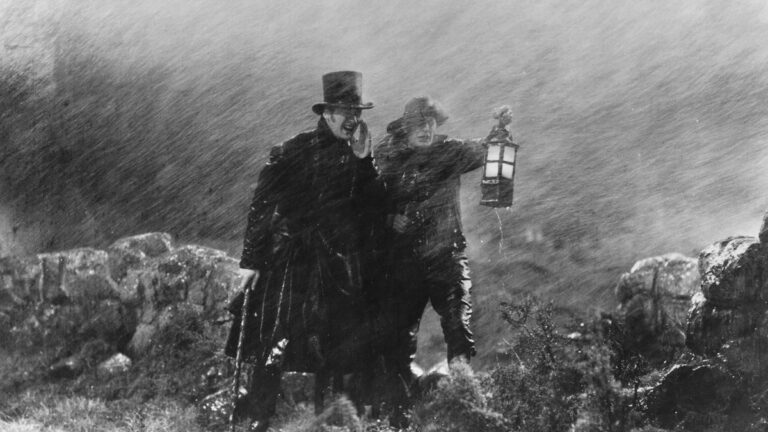
The first film adaptation of ‘Wuthering Heights’ was released in 1939, directed by William Wyler and starring Laurence Olivier and Merle Oberon. This adaptation is remembered for its stunning cinematography and engaging performances, which helped set a standard for storytelling in film. Critics lauded its ability to encapsulate the dark atmosphere and tumultuous relationship central to Brontë’s narrative.
In 1970, a more experimental version directed by Robert Fuest was produced. This adaptation took creative liberties and aimed to present the gothic horror elements of the story in a different light, showcasing the emotional complexity of the characters while delving deeper into the supernatural aspects.
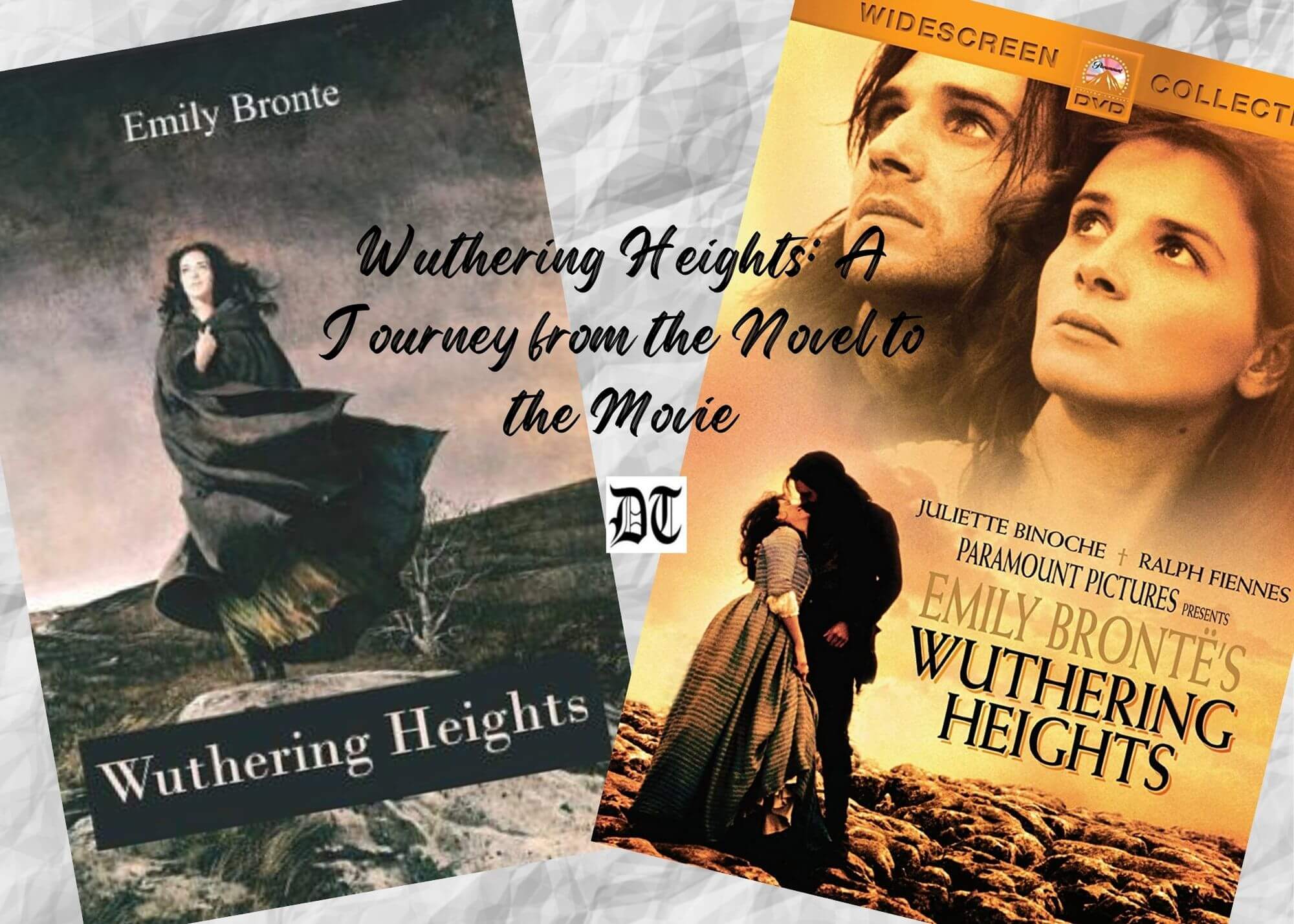
Another acclaimed adaptation was made in 1992, featuring Ralph Fiennes and Juliette Binoche in the leading roles. This version received praise for its fidelity to the source material and its evocative portrayal of the Yorkshire moors, which plays a crucial role in the novel’s atmosphere. The film’s period-accurate costumes and sets helped transport viewers to the early 19th century.
Most recently, in 2011, Andrea Arnold directed an adaptation that focused on a raw and visceral interpretation, featuring Kaya Scodelario and James Howson. This rendering was noted for its gritty realism and atmospheric cinematography, aiming to depict the emotional turmoil and physical landscape of the original text in an authentic manner.
Conclusions and Future Perspectives
The adaptations of ‘Wuthering Heights’ continue to evolve, reflecting changing societal norms and cinematic styles. Each film brings a unique interpretation that allows new generations to engage with Brontë’s complex characters and themes. With current trends in the film industry favouring reboots and adaptations of classic literature, it is likely that the story of Heathcliff and Catherine will be retold in new formats, potentially bringing innovative perspectives to this timeless dramatic narrative.
For audiences and literature enthusiasts, these adaptations not only provide visual representations of the original tale but also invite discussions about fidelity to source material and the interpretation of literary classics in modern cinema.