Introduction
Palau, a stunning archipelago located in the western Pacific Ocean, is known for its vibrant marine biodiversity and rich cultural heritage. This tiny nation comprises over 500 islands, each offering breathtaking landscapes and unique experiences. Given its pristine environment and strategic importance in regional geopolitics, Palau is increasingly becoming a focal point for eco-tourism and international relations.
The Natural Beauty of Palau
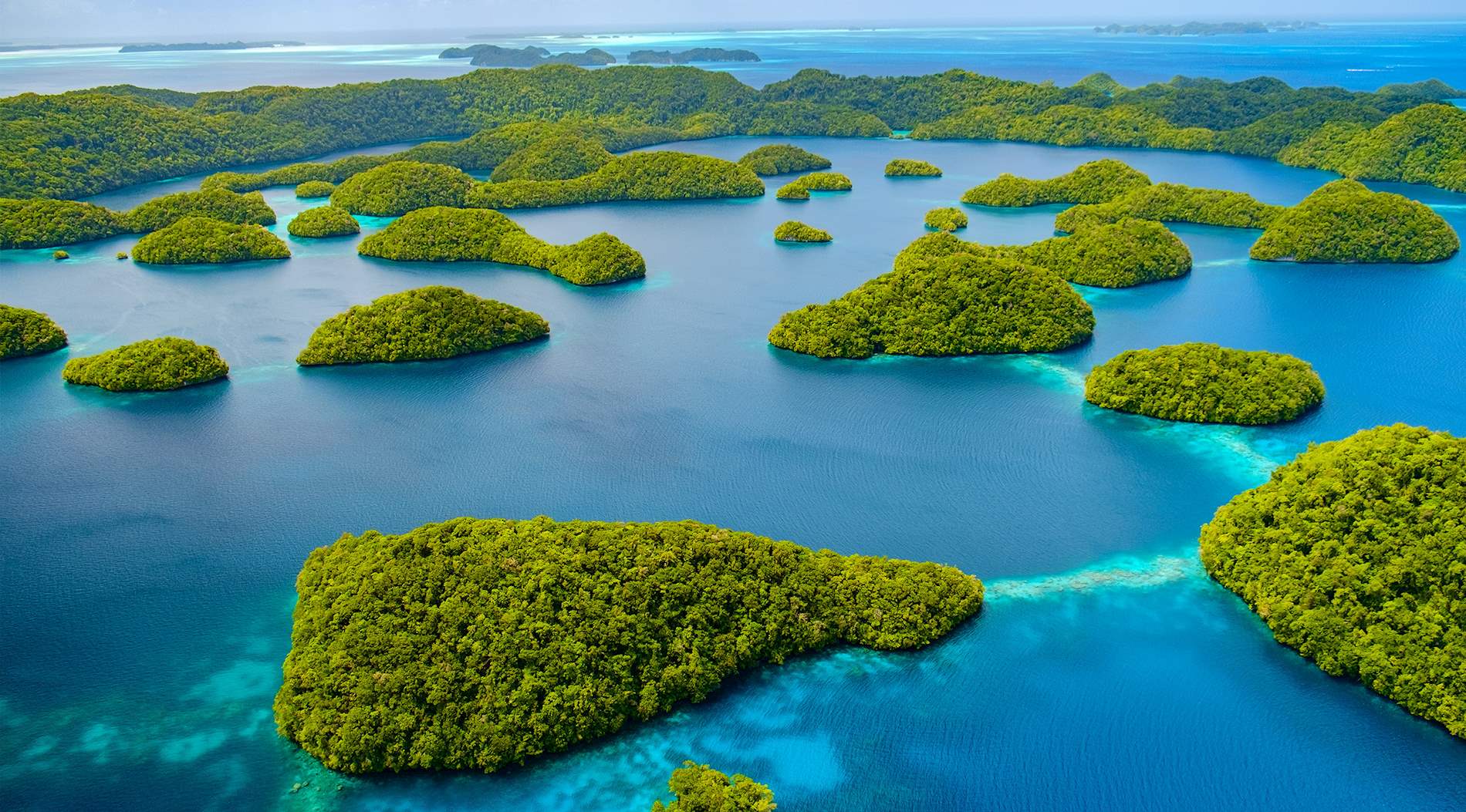
Home to the famous Jellyfish Lake and the Rock Islands, Palau’s natural beauty attracts thousands of visitors each year. The waters surrounding Palau are teeming with diverse marine life, making it a haven for divers and snorkelers. According to the Palau Visitor’s Authority, in 2022, the country recorded a significant rebound in tourism as COVID-19 restrictions eased, with over 80,000 tourists arriving on its shores. This surge highlights the global interest in natural destinations and eco-friendly tourism.
Cultural Significance
Beyond its natural allure, Palau boasts a rich cultural heritage with influences from Melanesian, Micronesian, and Asian cultures. Visitors can experience traditional dances, crafts, and local cuisine that reflect the islands’ history and community values. The Palauan concept of ‘usuch’—the interconnectedness of the people and environment—forms the basis of daily life, underscoring the significance of sustainability in both culture and tourism.
Geopolitical Importance
Palau’s location in the Pacific has made it a strategic partner for both the United States and China. In 1994, Palau signed a Compact of Free Association with the United States, granting it financial aid and military protection. This relationship plays a crucial role in regional stability, particularly amid increasing geopolitical tensions in the Asia-Pacific. The U.S. State Department continues to engage positively with Palau, reaffirming its commitment to preserving peace and promoting development in the region.
Conclusion
As Palau navigates the post-pandemic recovery phase, its commitment to sustainable tourism and cultural preservation remains paramount. As the world becomes increasingly aware of climate change and conservation efforts, Palau stands out as a leading example of how a small nation can have a significant global impact. For potential visitors and stakeholders, understanding Palau’s significance goes beyond its beauty; it encompasses an appreciation for its culture, strategic importance, and the pressing need for environmental conservation. The future looks bright for Palau as it endeavors to balance tourism with preservation, ensuring that its unique environment and culture thrive for generations to come.