Introduction
First cousin marriage, a union between the children of siblings, is a topic that evokes diverse opinions across different cultures and societies. In the UK, where cousin marriages are often debated, this practice invites attention due to its sociocultural implications and legal status. With an estimated 1 in 50 marriages involving first cousins, understanding this phenomenon is crucial to foster informed discussions on family dynamics and public health.
Cultural Context and Acceptance
First cousin marriage is relatively common in various communities within the UK, including South Asian and Middle Eastern populations. For many, it is a tradition rooted in cultural heritage, reinforcing familial bonds and ensuring that wealth and resources remain within the extended family. This highlights varying acceptance levels, as some perceive it as a means of preserving cultural identity, while others oppose it due to concerns about genetic risks associated with offspring.
Legal Status and Health Considerations
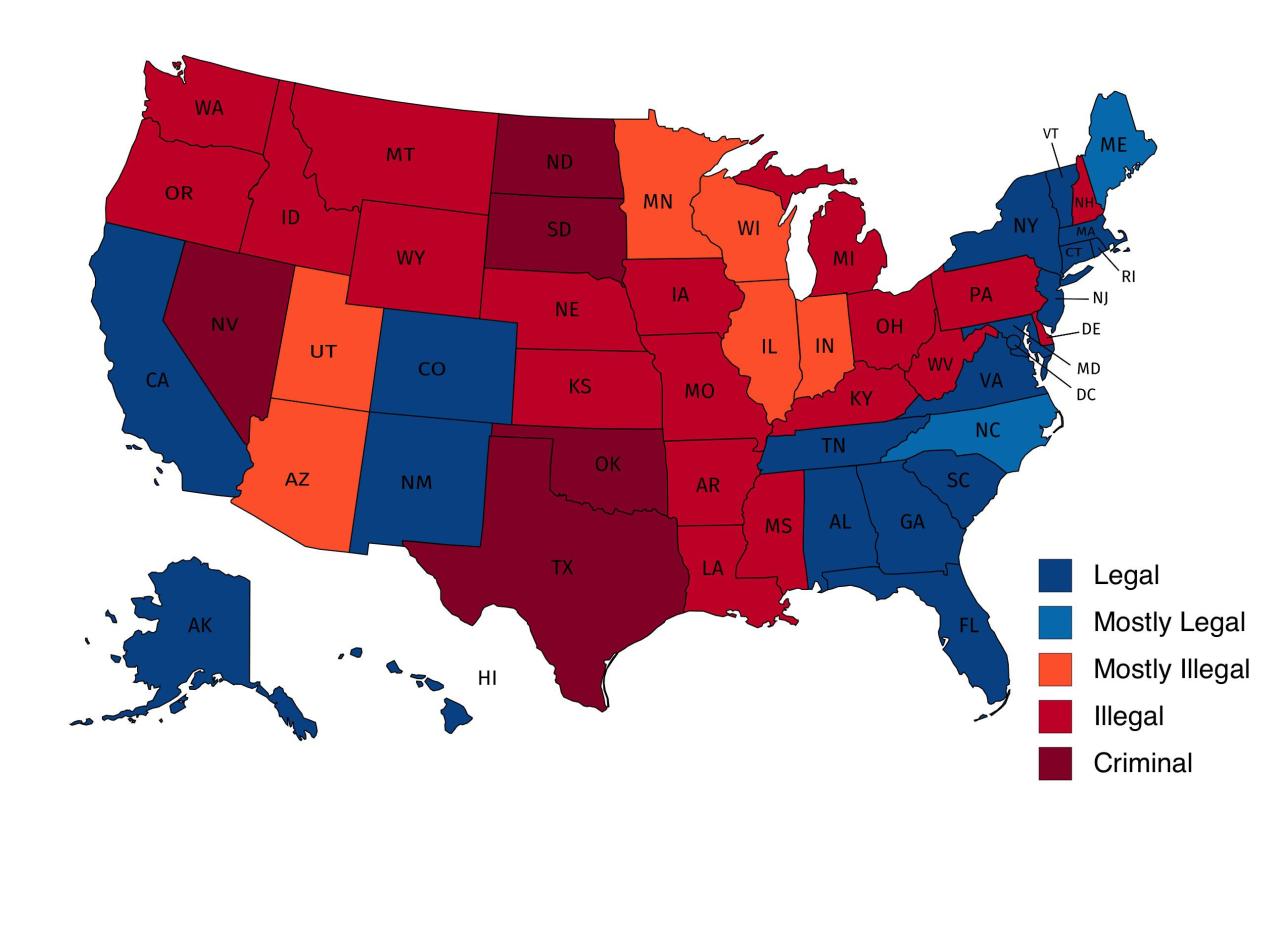
In the UK, marrying a first cousin is legal and not subject to any restrictions. This legal acceptance contrasts sharply with other countries where cousin marriages are heavily regulated or banned due to fears of genetic disorders. Research shows that children born to first cousins have a slightly higher risk of genetic defects, though the overall probabilities remain low. For instance, while the general population has a risk of approximately 2-3% for congenital disabilities, the risk increases to about 4-6% when the parents are first cousins. Public health campaigns highlight the need for genetic counselling for couples with close familial ties.
Current Trends and Conversations
The ongoing debate about first cousin marriage in the UK continues to provoke varied reactions. Scholars, healthcare providers, and social commentators engage in discussions about the implications of these unions on family health, integration, and social cohesion. Recently, surveys indicate that many people hold a neutral or accepting view of cousin marriages, suggesting that evolving social norms may reduce stigma associated with these relationships. Additionally, as globalization introduces diverse cultural practices into mainstream society, discussions around such marriages are becoming increasingly common.
Conclusion
First cousin marriage presents a compelling lens through which to explore issues of culture, law, and health within the context of the UK. As societal attitudes shift, understanding the implications of these unions remains of paramount importance. Further research and dialogue will be essential in addressing both the cultural significance and potential health impacts of first cousin marriages, ensuring that individuals can make informed choices in the context of their familial and cultural frameworks.