The numbers
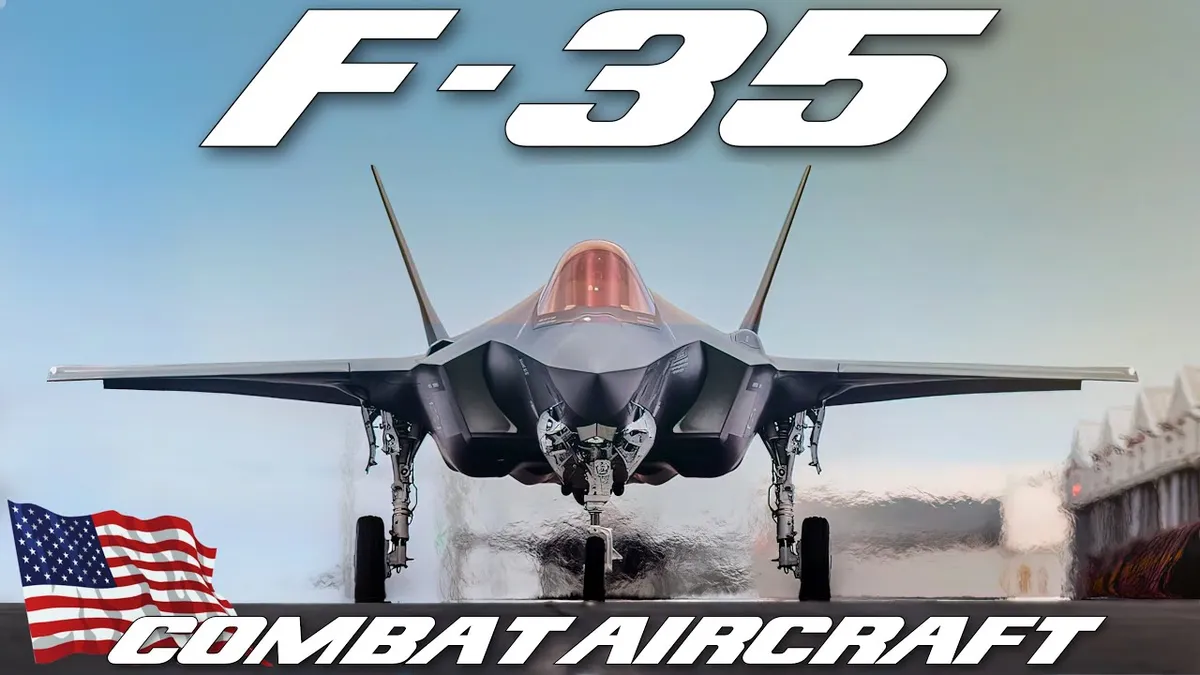
A US F-35 fighter jet made an emergency landing on March 19, 2026, after being struck by suspected Iranian fire while flying a combat mission over Iran. The incident marks a notable escalation in the ongoing conflict, as it is the first confirmed instance of Iran successfully hitting a US aircraft. The F-35, which costs upwards of $100 million, is one of around 20 US Air Force aircraft known to have been damaged or destroyed in this conflict.
The pilot of the F-35 is reported to be in stable condition following the emergency landing, according to Capt. Tim Hawkins of US Central Command. “The aircraft landed safely, and the pilot is in stable condition,” he stated, adding that the incident is currently under investigation. This development comes amid a backdrop of increasing hostilities between the US and Iran, which have been ongoing since late February 2026.
The Islamic Revolutionary Guard Corps (IRGC) claimed responsibility for the attack, asserting that they had “severely damaged” the F-35 in their strike. This assertion raises questions about the capabilities of Iranian forces and their ability to engage advanced US military technology. The conflict has already seen significant losses, with at least 13 US service members killed in combat operations against Iran and approximately 12 MQ-9 Reaper drones lost.
In addition to the F-35 incident, the conflict has also resulted in the loss of three US F-15E Strike Eagles due to a friendly fire incident earlier this month, further complicating the operational landscape for US forces in the region. The situation is dire, with a total of 1,444 people reported killed in Iran since the conflict began, alongside 18,551 injuries.
As the US Central Command investigates the emergency landing, observers are keenly watching for updates on the extent of the damage to the F-35, which remains unconfirmed. The timeline of the conflict and future developments also remain unclear, leaving military analysts to ponder the implications of this incident on US-Iran relations.
The F-35, a cornerstone of US air power, has faced scrutiny over its operational costs and performance in combat scenarios. This incident may reignite debates over the aircraft’s effectiveness and the strategic decisions surrounding its deployment in high-risk areas.
As tensions continue to escalate, the international community watches closely, aware that each incident could potentially lead to broader military engagements. The stakes are high, and the ramifications of this emergency landing could influence future military strategies and diplomatic efforts in the region.