The numbers
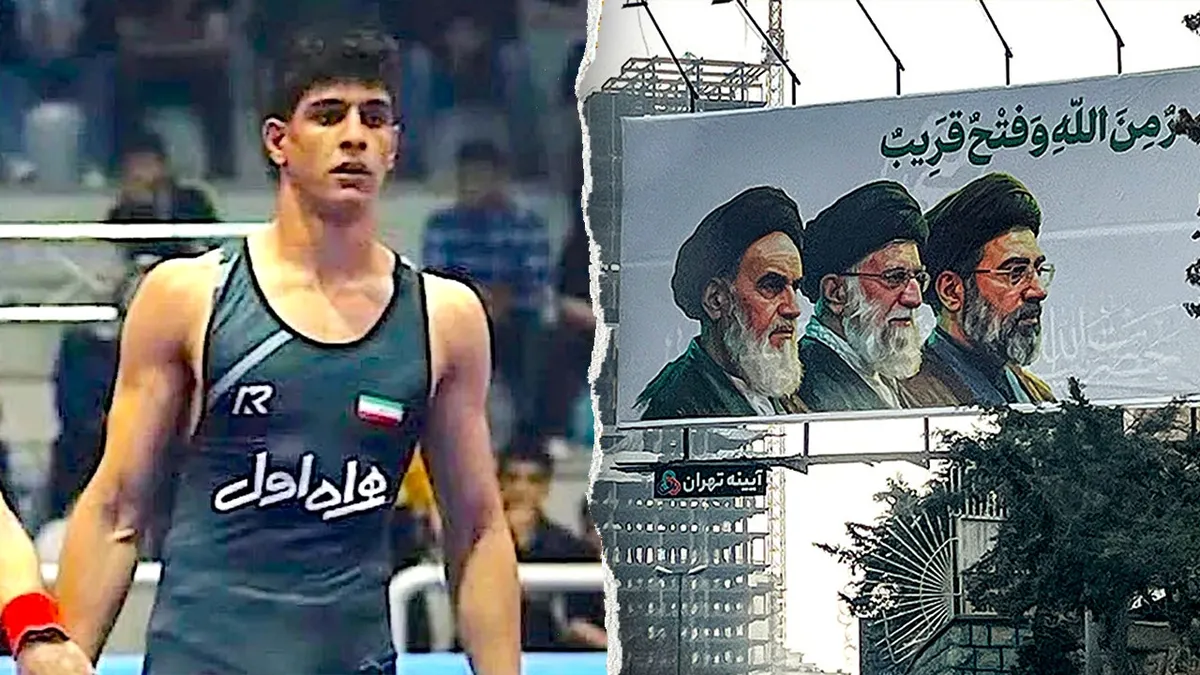
Saleh Mohammadi was executed by public hanging on March 19, 2026, at the age of just 19. His execution, part of a larger crackdown on anti-regime protests, has drawn widespread condemnation from human rights organizations and international observers alike. Mohammadi was accused of killing two police officers during protests, a claim that many believe was fabricated to justify his execution.
Details surrounding his trial reveal a troubling lack of due process. Reports indicate that Mohammadi’s confession was obtained under duress, raising serious questions about the integrity of the Iranian judicial system. He was arrested during protests in January 2026, and despite turning 19 in prison on March 11, 2026, he faced a swift and brutal end to his young life.
The Iranian regime has a long history of executing protesters and athletes to suppress dissent, and Mohammadi’s case is emblematic of this pattern. The regime claimed that Mohammadi and others acted on behalf of foreign adversaries, specifically Israel and the United States, further politicizing their actions and justifying their harsh responses.
In a tragic twist, Mohammadi had previously achieved recognition as an athlete, winning a bronze medal at the Saytiyev International Cup in September 2024. His execution has sparked outrage among fellow athletes and human rights advocates, who argue that the Iranian government is using such measures to instill fear and silence any form of dissent.
Nima Far, a prominent activist, described the execution as “a blatant political murder, part of the Islamic Republic’s pattern of targeting athletes to crush dissent and terrorize society.” This sentiment is echoed by the Center for Human Rights in Iran, which stated, “Executing these young protesters in public, after sham trials built on torture and forced confessions, is state-sanctioned murder designed to terrorize the population and send a clear message: any act of dissent will be met with death.”
The international community has responded with calls for action. Masih Alinejad, a well-known activist, urged organizations like Global Athlete to support Iranian athletes who are being silenced and imprisoned. The pressure is mounting for the International Olympic Committee and United World Wrestling to take a stand against Iran’s treatment of its athletes and protesters.
As the world watches, the implications of Mohammadi’s execution extend beyond his tragic fate. Iran faces increasing scrutiny for its human rights violations, particularly regarding the treatment of athletes and dissenters. Observers are left to ponder what this means for the future of protests in Iran and whether the regime will continue its violent crackdown on those who dare to speak out against it. Details remain unconfirmed regarding the broader impact of this execution on the ongoing protests and the international response it may provoke.