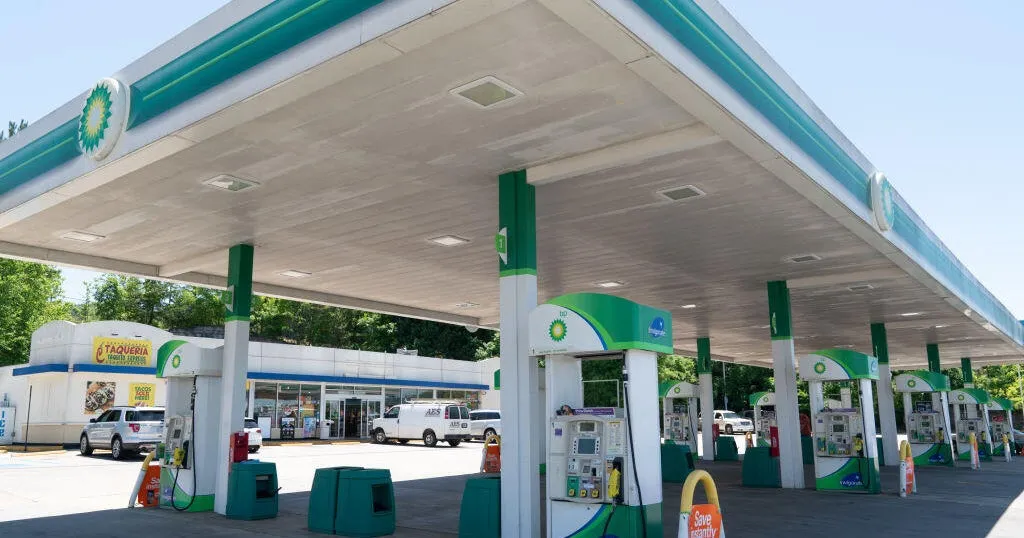
What is driving the recent surge in gas prices?
Gas prices have surged significantly across the United States, raising concerns among consumers and analysts alike. The national average price for a gallon of gasoline has reached $3.48, marking an increase of 48 cents from just last week. This spike is attributed to various factors, including ongoing global tensions, particularly in the Middle East, which have disrupted oil exports and driven crude oil prices above $100 per barrel for the first time since Russia’s invasion of Ukraine in 2022.
Regional Variations in Gas Prices
In New York, the statewide average price for gasoline is currently $3.40 per gallon, reflecting a 39-cent increase from the previous week. Meanwhile, in metro Atlanta, the average price for regular gasoline stands at about $3.26. Montana has seen some of the most significant increases, with reports indicating an average daily rise of 8 to 10 cents, leading to a total increase of 25 cents per gallon over the past week.
The Impact of Diesel Prices
Diesel prices have also climbed sharply, with a national average of $4.66 per gallon, up 89 cents from last week. This increase is particularly concerning for individuals and businesses reliant on diesel for transportation and logistics. Mable Prusek, a local resident, expressed her worries, stating, “I don’t know how we’re going to cover diesel this month—it’s the only vehicle we have. Just making sure we can afford to go where we need to go and run errands and stuff.”
Understanding the Oil Market Dynamics
Oil prices heavily influence gasoline costs, as crude oil accounts for approximately 60% of the price drivers pay at the pump. Despite the United States being a net exporter of oil, Americans are not insulated from global price fluctuations. Energy experts note that oil is traded on international markets, meaning that domestic prices can be significantly affected by events occurring overseas.
Historical Context and Current Trends
The current surge in gas prices is reminiscent of previous spikes linked to geopolitical tensions. The recent conflict involving Iran has been a significant factor in disrupting oil exports, contributing to the rising costs. As Rory Schulte, an industry analyst, noted, “We are seeing a large increase right now. I mean, it’s substantial. The average per day increase that I’m seeing is about 8 to 10 cents.”
What Lies Ahead?
As the situation evolves, consumers are left to navigate the challenges posed by rising gas prices. With the national average now significantly higher than it was a year ago, when it stood at $3.09, many are left wondering how long these increases will persist and what further impacts they may have on the economy and daily life. Details remain unconfirmed regarding the long-term implications of these price fluctuations.