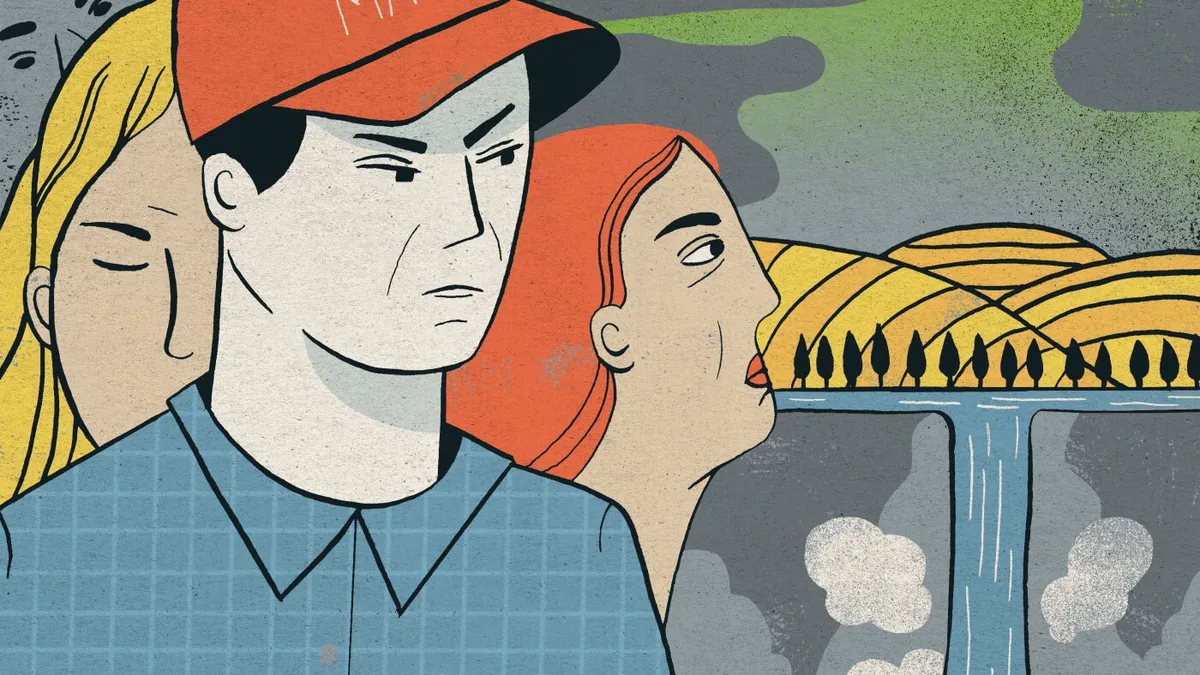
The MAHA movement is pushing back against the Trump administration’s support for glyphosate, a widely-used herbicide known by the brand name Roundup. This clash underscores a significant conflict between health advocacy and the interests of the pesticide industry.
Before this development, glyphosate had been a staple in agriculture since its introduction in 1974 by Monsanto. It was hailed for its efficiency in killing competing plants, allowing commercially attractive crops to thrive. Yet, as concerns over environmental health and cancer risks mounted, many expected regulatory changes to tighten controls on its use.
However, a decisive moment arrived when the Trump administration issued an executive order supporting the expansion of glyphosate production. The Environmental Protection Agency (EPA) rolled back drinking water standards while weakening protections against air pollutants. As a result, glyphosate application surged—California forests saw an application of 266,000 pounds in just 2023.
The consequences are profound. Bayer, which acquired Monsanto, has faced legal repercussions, agreeing to pay over $12 billion in settlements related to glyphosate lawsuits. Meanwhile, environmental advocacy groups have engaged in legal battles with the Trump administration over what they view as toxic chemical regulations that favor manufacturers over public health.
Expert voices weigh in:
- Vani Hari stated, “You cannot claim to care about health while protecting poison.”
- David Murphy expressed concern: “It’s really pretty appalling that they’ve gone down this road.”
- Alexandra Muñoz criticized the administration’s stance: “There is this constant effort to lie to everybody and say that what they’re doing is MAHA and say that they care about people’s health.”
As glyphosate use continues to escalate—its application has increased nearly five times over the past two decades—public scrutiny intensifies. The Forest Service plans to spray glyphosate on 10,000 acres of public land starting in spring 2026. Critics argue that this not only jeopardizes environmental health but also contradicts any claims of prioritizing community well-being.
Bayer maintains that its herbicide is safe when used as directed. Yet with mounting evidence linking glyphosate to cancer—acknowledged by the World Health Organization as “probably carcinogenic”—the debate is far from settled.