Introduction
The Greenland movie, directed by Ric Roman Waugh and starring Gerard Butler, has captivated audiences with its gripping portrayal of a global disaster. Its mix of action and emotional depth makes it relevant in a world increasingly concerned with climate issues and natural disasters. Since its release, viewers have been drawn to its impactful narrative, leading to discussions about both its entertainment value and the underlying themes it presents.
Plot Overview
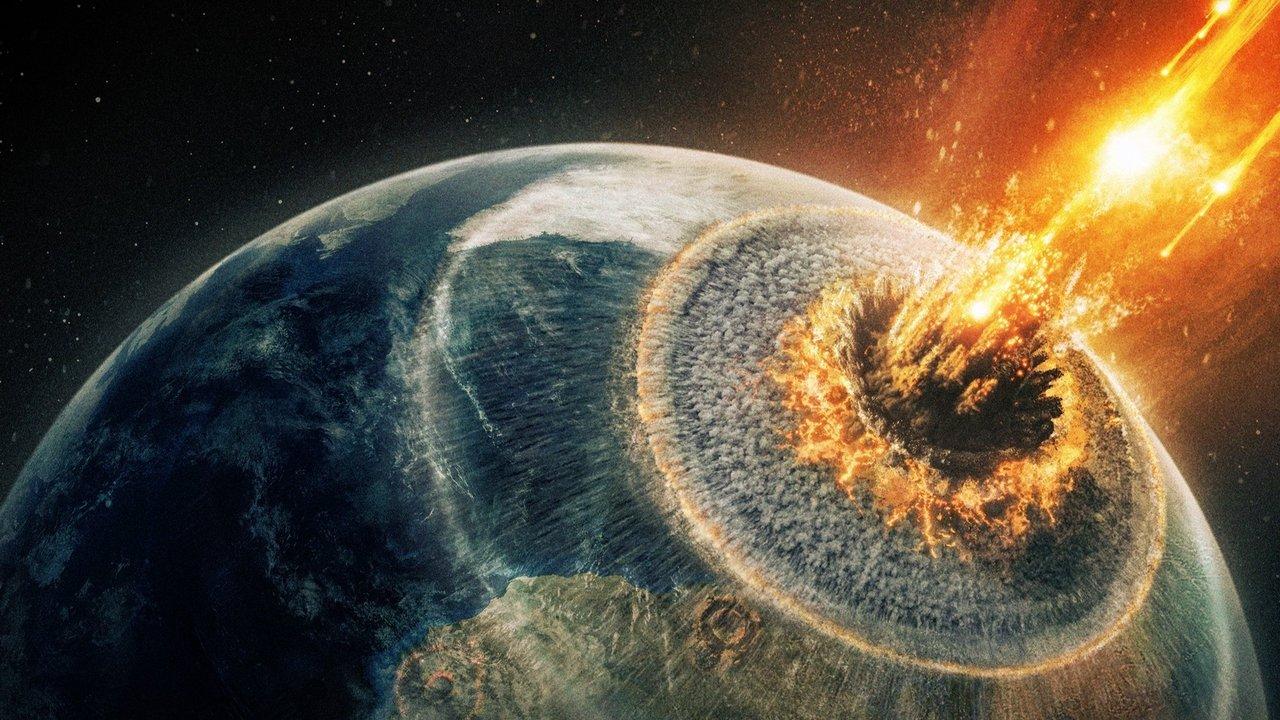
The film follows John Garrity, played by Butler, a structural engineer, who learns that a comet is on a collision course with Earth, threatening to wipe out humanity. As chaos unfolds, he and his family race against time to find safety in a government facility in Greenland, which is one of the few places designated to survive the impending catastrophe. The story explores themes of survival, familial bonds, and the human response to crisis.
Critical Reception and Impact
Upon its release, Greenland was praised for its realistic portrayal of a disaster scenario and compelling performances. Reviewers highlighted Butler’s commitment to his role, noting that he effectively brings viewers into the emotional turmoil of a father desperate to protect his family. Critics also commended the film’s visual effects and its ability to balance intense action sequences with moments of heartfelt drama.
Box office figures indicated a strong performance, even amid the challenges posed by the pandemic, reflecting a significant appetite for disaster-themed films. The movie has also sparked conversations about the importance of preparedness for natural disasters, considering ongoing global events related to climate change and environmental concerns.
Conclusion
In conclusion, the Greenland movie serves as more than just an entertaining film; it is a cautionary tale that resonates with contemporary audiences. With its combination of action, suspense, and emotional depth, it highlights the importance of family, resilience, and preparedness in the face of adversity. As climate-related issues become more prevalent, films like Greenland may continue to inspire audiences while also prompting societal reflection on our readiness for real-life disasters. As we look to the future, the ongoing discussions surrounding such narratives may push both filmmakers and audiences to consider more profound implications of storytelling in relation to global challenges.