As Haiti grapples with increasing violence and political turmoil, a group of Haitian nationals has urged the U.S. Supreme Court to maintain a ruling that allows them to stay in the United States due to unsafe conditions in their home country. The Temporary Protected Status (TPS) program, which was established to protect nationals from countries experiencing extraordinary conditions, has been a lifeline for many since Haiti was designated under this program following the catastrophic 7.0 magnitude earthquake in 2010.
Currently, there are approximately 350,000 Haitian nationals in the U.S. with temporary protected status. However, the Trump administration has announced plans to terminate Haiti’s TPS designation effective February 3, 2026. In response, U.S. District Judge Ana Reyes temporarily blocked the government from ending the TPS program for Haitians, citing potential hostility toward nonwhite immigrants.
Haitian nationals have expressed their fears, stating that they will “suffer irreparable—potentially fatal—injury” if the Supreme Court allows the termination of TPS. The State Department has consistently advised against traveling to Haiti, highlighting the dangers of kidnapping, crime, terrorist activity, civil unrest, and limited health care.
In Haiti, the situation has further deteriorated with the recent arrest of legislator Arnel Belizaire on charges including financing terrorism and conspiracy against state security. Belizaire, who has a history of arrests related to illegal weapons and arms trafficking, characterized the arrest warrant against him as political intimidation. Just two months prior to his arrest, he had registered a new political party for the upcoming general election.
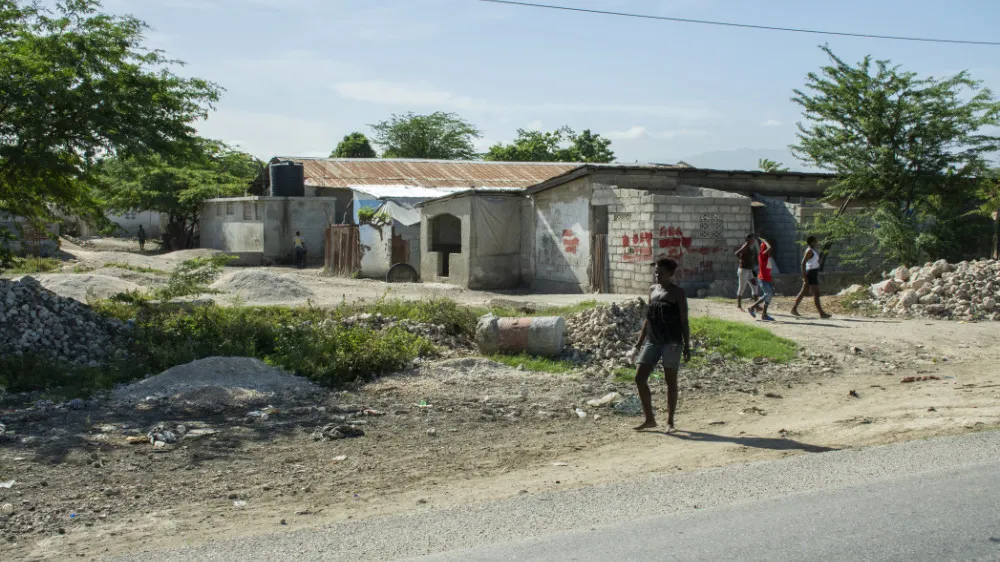
Belizaire’s arrest comes amid reports that gangs control approximately 90% of Port-au-Prince, exacerbating the already dire conditions in the capital. The ongoing violence and instability have led many to question the safety of returning to Haiti.
As the legal battles over TPS continue in the U.S. and political tensions rise in Haiti, the implications of these developments are significant for both Haitian nationals seeking refuge and the political landscape in Haiti itself. The outcome of the Supreme Court’s decision on TPS could determine the future for many who have built lives in the U.S. while waiting for conditions in Haiti to improve.